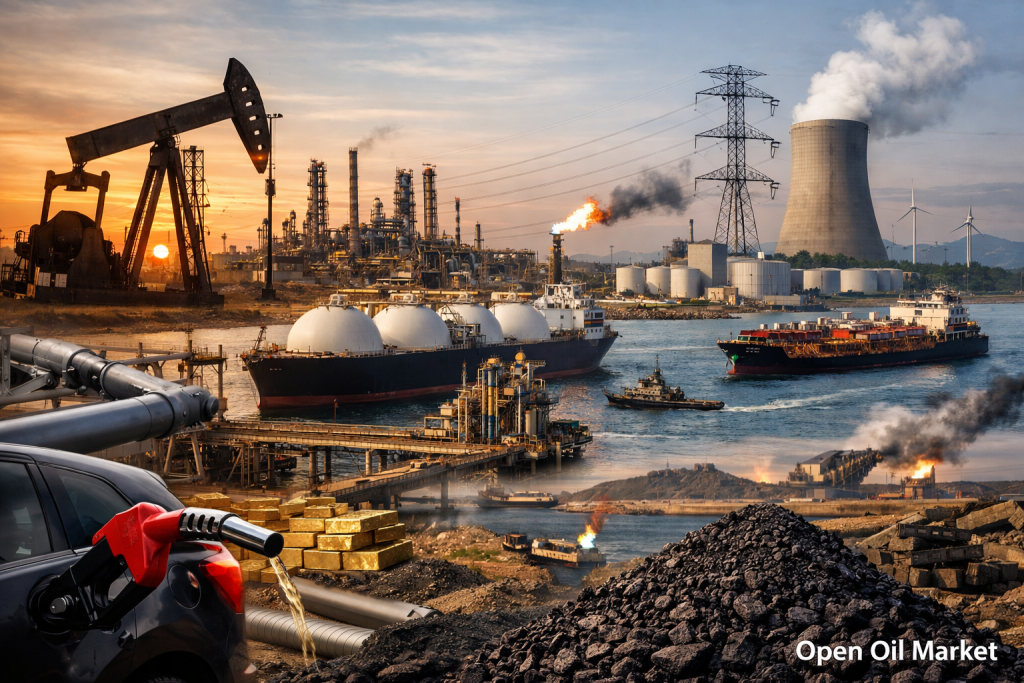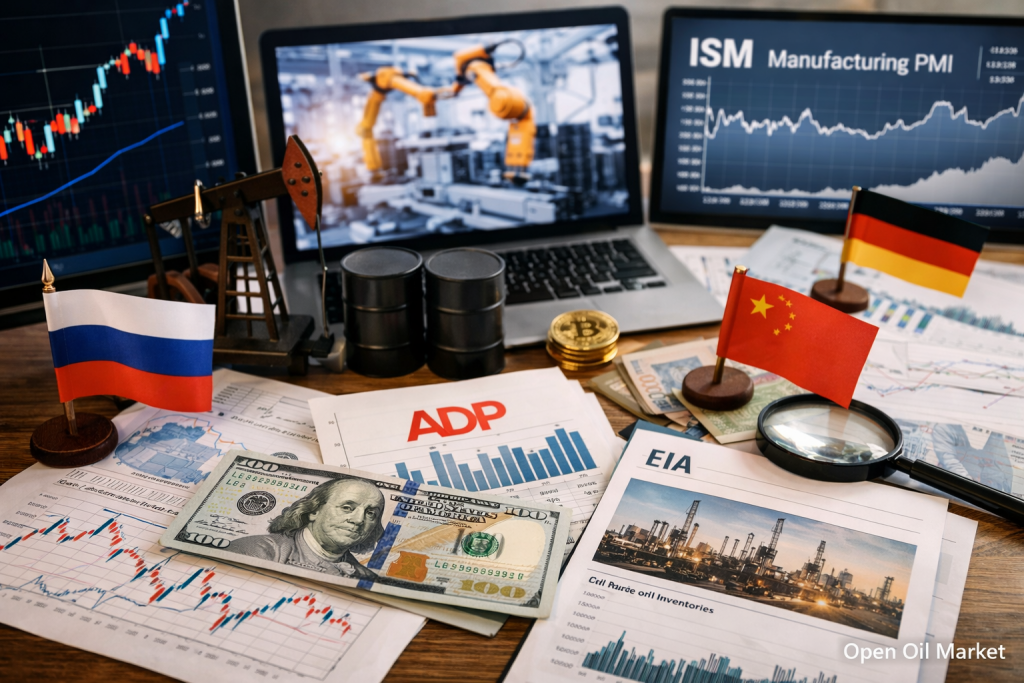
Current Energy Sector News as of December 4, 2025: Decline of Brent Oil, Stability of the European Gas Market, EU Sanctions, Fuel Export Restrictions in Russia, Development of Renewable Energy Sources, and the Situation in Asia. Comprehensive Analysis for Investors and Industry Participants.
Current events in the fuel and energy sector (FES) as of December 4, 2025, present a mixed picture in global markets amidst attempts at geopolitical de-escalation. Global oil prices have plummeted to their lowest levels in recent months: Brent crude has dropped to $62 per barrel, while American WTI is around $59. This is significantly below mid-year levels and reflects a combination of factors—from cautious hopes for progress in peace negotiations to signs of oversupply. The European gas market, conversely, marks the onset of winter relatively calmly: underground gas storage facilities (UGS) in EU countries are over 85% full, providing a solid buffer, and wholesale prices (TTF index) are kept below €30 per MWh, significantly lower than peak values in previous years.
Meanwhile, geopolitical tension persists: the West is increasing sanctions pressure on the Russian energy sector—the European Union has recently agreed on legislation to halt imports of Russian gas by 2027 while simultaneously pursuing a course to reduce the use of oil from the Russian Federation. Efforts for diplomatic resolution of the conflict have yet to yield tangible results, thus the limitations and risks for supply remain. Within Russia, authorities are extending emergency measures to stabilize the domestic fuel market after an autumn deficit of gasoline and diesel, strictly limiting exports of petroleum products. At the same time, the global energy sector is accelerating the "green" transition: investments in renewable energy sources are reaching record levels, new incentives are being introduced, even though traditional resources—oil, gas, and coal—remain a key part of the energy balance of many countries.
Oil Market: Oversupply and Hopes for Peace Weighing on Prices
By the beginning of December, global oil prices have decreased to multi-month lows under the influence of several factors. The North Sea Brent blend, after relative stability in autumn, has dipped to around $62 per barrel, while American WTI has dropped to approximately $59. Current prices are significantly lower than mid-year levels and about 15% below year-ago figures, reflecting a weakening market environment. The dynamics of prices have been affected by several simultaneous factors:
- Hopes for Conflict Resolution: The market is pricing in the possibility of easing restrictions on Russian oil should peace negotiations between Moscow and Washington be successful. A recent meeting of U.S. representatives (envoy Steven Vitkoff and adviser Jared Kushner) with the President of Russia gave investors cautious optimism regarding a potential de-escalation, temporarily lowering the geopolitical "premium" in prices.
- Fears of Oversupply: Concerns regarding overproduction are increasing amid signals of rising inventories. According to the American Petroleum Institute (API), U.S. commercial oil inventories increased by 2.5 million barrels in the last week of November, while gasoline and distillate stocks rose by 3.1 million and 2.9 million barrels, respectively. Additionally, seasonal demand slumps at the end of the year and the slowing Chinese economy are limiting oil consumption growth.
- OPEC+ Decisions: At its meeting on November 30, the oil alliance did not alter production quotas for the first quarter of 2026 for the first time in a long time. OPEC+ countries are signaling they are not in a hurry to regain lost market shares, fearing an oversupply situation. Maintaining existing production restrictions supports a fragile balance and prevents even sharper price drops.
- Military Risks and Incidents: Ongoing drone attacks in the Black Sea and on Russian pipeline infrastructure intermittently reminded the market of supply disruption risks. In late November, Ukrainian strikes incapacitated one of the offshore CTC terminals in the Black Sea (Kazakh oil exports were partially restored soon after), and a Russian tanker was damaged during an attack in the Bosporus strait. Nonetheless, these incidents only temporarily supported prices without interrupting the overall downward trend.
As a result, the cumulative effect of these factors has shifted market balance towards oversupply. Oil prices remain under pressure, fluctuating near local minima, as market participants assess the likelihood of a forthcoming peace agreement and further steps from OPEC+ in response to changing market conditions.
Gas Market: Winter Begins with Comfortable Supplies and Moderate Prices
The situation in the European natural gas market remains relatively favorable as it approaches peak winter consumption. Thanks to timely injections and a mild start to the season, EU countries enter December with full storage facilities and contained prices, reducing the risk of a repeat crisis like that of 2022. Key factors defining the current dynamics of the European gas market include:
- High UGS Fill Levels: According to Gas Infrastructure Europe, the average level of gas storage in the EU exceeds 85%, significantly above the average for the start of winter. Accumulated reserves create a safety net in case of adverse weather conditions and allow for compensation for reduced gas supplies from traditional sources.
- Record LNG Imports: European consumers have continued to ramp up purchases of liquefied natural gas (LNG). Weakened demand for LNG in Asia has released additional volumes for Europe. Consequently, LNG supplies remain high, partially replacing the pipeline gas lost from Russia and helping to keep prices relatively low.
- Moderate Demand and Diversification: Relatively warm weather at the start of winter and energy-saving measures are curbing gas consumption growth. Simultaneously, the EU is diversifying its supply sources: gas imports from Norway, North Africa, and other routes have increased, reducing dependence on a single supplier and enhancing the region's energy security.
- Price Stabilization: Wholesale gas prices in Europe have stabilized significantly below last year's peaks. The Dutch TTF index fluctuates around €28 per MWh, nearly three times lower than the extreme values seen in the autumn of 2022. Filled storage facilities and a balanced market have avoided sharp price spikes even amid reduced Russian imports.
Thus, the European gas market is entering winter with a margin of safety. Even in the event of a cold snap, accumulated reserves and the flexibility of LNG supply should mitigate potential shocks. However, in the long term, the situation will depend on weather conditions and global competition for gas, especially if demand in Asia rebounds.
Russian Market: Fuel Deficit and Extension of Export Restrictions
In autumn 2025, Russia faced an acute shortage of automotive fuel (gasoline and diesel) amidst a combination of internal and external factors. Increasing seasonal demand (the harvesting campaign required more fuel) coincided with decreased supply from refineries, some of which reduced output due to emergency shutdowns and drone attacks. Various regions experienced fuel supply interruptions, prompting authorities to urgently intervene in the market.
- Gasoline Export Ban: The Russian government imposed a complete temporary ban on gasoline exports by all manufacturers and traders (with the exception of deliveries under intergovernmental agreements) back in late August. Initially, this measure was intended to last only until October, but it was subsequently extended at least until December 31, 2025, due to ongoing tension in the domestic market.
- Diesel Export Restriction: Simultaneously, the export of diesel fuel for independent traders has been banned until the end of the year. Oil companies with their own refineries are allowed limited diesel exports to prevent halting their production. This partial ban aims to maintain sufficient diesel supply domestically, preventing shortages.
According to statements from Deputy Prime Minister Alexander Novak, the emerging deficit is localized and temporary: reserve stocks are being utilized, and refining is gradually recovering after unscheduled downtimes. By the beginning of winter, the situation had somewhat stabilized—with wholesale gasoline and diesel prices retreating from the peak values of September, although still above last year's levels. Authorities emphasize that the priority is saturating the domestic market and preventing a fuel crisis; thus strict export restrictions could be extended into 2026 if necessary.
Sanctions and Policy: Western Pressure Intensifies, Ceasefire Delayed
The collective West continues to tighten its stance towards the Russian fuel and energy sector, showing no signs of easing sanctions. On December 3, EU leaders finalized a plan for a complete and permanent halt to imports of Russian gas by 2027, as well as the accelerated phasing out of remaining oil supplies from Russia. This step is legally enshrined and aims to deprive Moscow of a substantial portion of export revenues in the medium term. Hungary and Slovakia, heavily dependent on Russian resources, opposed the initiative, but their objections did not prevent the decision from being adopted at the EU level.
Simultaneously, the U.S. is stepping up its pressure: the new administration has adopted a tough position regarding states interacting with Russia in the energy sector. In particular, Washington has signaled potential tightening of the sanctions regime against Venezuela, creating uncertainty around future supplies of Venezuelan oil. The Russian-American negotiations regarding the cessation of conflict have currently reached an impasse—the recent consultations in Moscow involving American emissaries did not yield breakthroughs. Hostilities in Ukraine continue, and all previously imposed restrictions on the export of Russian energy resources remain in force. Western companies continue to avoid new projects and investments in Russia. Thus, the geopolitical standoff over energy remains, adding long-term risks and uncertainties to the market.
Asia: India and China Focus on Energy Security
The largest developing economies in Asia—India and China—are primarily focusing on ensuring their energy security, balancing the benefits of cheap imports against external pressure.
- India: Under Western pressure, New Delhi temporarily reduced its purchases of Russian oil in late autumn; however, India remains one of Moscow's key clients. Indian refineries are actively utilizing discounted Urals oil, fully covering domestic fuel needs and exporting surplus petroleum products. President Putin's visit to New Delhi starting today aims to strengthen energy cooperation—new agreements on oil supplies are expected, as well as discussions on projects in the gas sector and other areas.
- China: Despite economic slowdowns, China maintains a crucial role in the global energy market. Beijing is diversifying its import channels: additional long-term contracts for LNG purchases (including with Qatar and the U.S.) are being signed, imports of pipeline gas from Central Asia are expanding, and investments in overseas oil and gas exploration are increasing. Concurrently, the country is gradually ramping up its own hydrocarbon production, although it is currently insufficient to fully meet domestic demand. China is also continuing coal purchases to secure its energy system during the transition period.
Both India and China are concurrently investing in renewable energy development but do not intend to abandon traditional hydrocarbons in the coming years. Oil, gas, and coal remain the foundation of their energy balance, and ensuring stable supplies of these resources remains a strategic priority for the Asian powers.
Renewable Energy: Record Investments and Ambitious Goals
The global transition to clean energy continues to gain momentum, setting new records for investments and commissioned capacities. In 2025, according to the International Energy Agency (IEA), global investments in "green" energy exceeded $2 trillion—more than double the total investment in the oil and gas sector over the same period. The main stream of capital is directed towards the development of solar and wind generation, as well as associated infrastructure—high-voltage power grids and energy storage systems.
At the COP30 climate summit, world leaders reaffirmed their commitment to accelerate emission reductions and significantly increase renewable energy capacities by 2030. To achieve these goals, a comprehensive set of initiatives has been proposed:
- Accelerating Permitting Processes: Reducing review times and simplifying the issuance of permits for the construction of solar and wind power plants, grid modernization, and other low-carbon projects.
- Expanding Government Support: Introducing additional incentives for "green" energy—special "green" tariffs, tax breaks, subsidies, and government guarantees aimed at attracting investments and reducing risks for businesses.
- Funding the Transition in Developing Countries: Increasing international financial assistance to emerging market countries to expedite the adoption of renewable energy where local resources are insufficient. Targeted funds aimed at reducing the costs of "green" projects in economically vulnerable regions are being established.
The rapid growth of renewable energy is already significantly changing the structure of global energy consumption. According to analytical centers, non-carbon sources (renewables and nuclear) account for over 40% of global electricity production, and this percentage continues to rise inexorably. Experts note that although short-term fluctuations may occur due to weather factors or spikes in demand, the long-term trend is clear: clean energy is steadily displacing fossil fuels, bringing the global economy closer to a new low-carbon era.
Coal: High Demand Keeps the Market Afloat
Despite efforts toward decarbonization, the global coal market in 2025 remains historically large. Global coal consumption remains at record levels—approximately 8.8–8.9 billion tons per year, only slightly exceeding last year's level. Demand for coal products continues to grow in developing economies in Asia, primarily in India and Southeast Asian countries, compensating for the decrease in coal use in Europe and North America.
According to the IEA, in the first half of 2025, global coal demand even slightly decreased due to increased generation from renewables and mild weather; however, a modest increase (~1%) is anticipated by the end of the year. Under current trends, 2025 will mark the third consecutive year with near-record levels of coal combustion. Production is also increasing—particularly in China and India, which are ramping up domestic output to reduce import dependence.
Prices for thermal coal remain relatively stable as high Asian demand maintains market balance. However, analysts believe that global coal demand has reached a "plateau" and will gradually decline in the coming years as the development of renewable energy accelerates and climate policies become stricter.
Telegram Channel OPEN OIL MARKET – Daily Analytics on the FES Market
To stay updated on current events and trends in the fuel and energy market, subscribe to our Telegram channel @open_oil_market. There, you will find daily reviews, industry insights, and only verified facts without unnecessary information noise—all the most important information for investors and FES professionals in a convenient format.