Economic Events and Corporate Reports on Saturday, 23 May 2026: ECOFIN Meeting, Reporting Pause, Rate Expectations, Global Market Dynamics and Key Investor Benchmarks
Saturday, 23 May 2026, is shaping up as a transitional pause for global markets: major stock exchanges in the US, Europe, Japan and Russia are closed, the corporate earnings season is effectively entering its final stage, and investors are shifting focus from current releases to next week's macroeconomic events. For the CIS audience, the importance of this day lies not in the volume of new data, but in the quality of preparation for the upcoming trading sessions. Following strong equity moves, the growing role of bond yields and an increased geopolitical premium in commodity prices, markets are entering a period of heightened sensitivity to inflation, interest rates and corporate guidance.
Global backdrop for the day
The economic calendar for 23 May 2026 is subdued. Saturday is traditionally not an active day for statistical releases or corporate earnings reports; however, it is precisely during such periods that investors assess weekly dynamics and rebalance portfolios. Three themes remain in the spotlight:
- the resilience of equity indices following the May rally;
- government bond yields and expectations for central bank rates;
- commodity markets, including oil, gas and the impact of geopolitics on inflation expectations.
For CIS investors, the key takeaway is that the global environment remains uneven: equities are supported by corporate results and interest in the technology sector, but the debt market continues to remind us of the cost of capital. This increases the importance of quality asset selection and reduces the appeal of overly speculative positions.
Macroeconomic events on 23 May
The main macroeconomic event of the day is the continuation of the European ECOFIN agenda. Meetings of the European Union finance ministers are important for assessing fiscal policy, debt sustainability, tax initiatives and coordination of economic strategy in the eurozone. For global investors, this is not a short-term trading signal, but an indicator of the direction of Europe's fiscal policy.
Against the backdrop of a light calendar in the US and Asia, attention shifts to the accumulated effect of data from the past week. The market has already priced in business activity, inflation signals, consumer demand conditions and comments from central bank officials. In this context, the economic events of 23 May become not an independent driver, but part of a broader picture ahead of the final week of the month.
United States: Focus on rates, yields and inflation expectations
The US market heads into the weekend after a period of strong equity index performance. Investors continue to assess how sustainable the rally in the S&P 500 and Nasdaq is against the backdrop of elevated Treasury yields. For the equity market, this is a fundamental question: the higher the risk-free yield, the more strictly investors evaluate the multiples of fast-growing companies.
On 23 May, no major macroeconomic releases comparable in impact to inflation, labour market or GDP data are expected in the US. Therefore, attention shifts to the following week, where the market will await new data on consumer activity, durable goods orders, housing and inflation indicators. For the investor, this means Saturday becomes a day for analysis, not reaction.
Europe: Fiscal policy and sensitivity to the cost of capital
European markets are outside the active trading phase on Saturday, but the ECOFIN agenda remains relevant for assessing medium-term risks. Investors are watching how eurozone authorities will balance economic support, deficit control and the need to maintain debt market confidence.
For the Euro Stoxx 50, banks, industrial companies, energy and exporters are particularly important. If European governments maintain a strict approach to fiscal discipline, this could support the debt market but limit the pace of economic recovery. If fiscal policy becomes more accommodative, cyclical equities may gain support, but bond yields will remain under pressure.
Asia: Japan, the yen and expectations for Bank of Japan policy
For Asian markets, Japan remains a key theme. The Nikkei 225 is sensitive to several factors simultaneously: the yen exchange rate, export demand, technology sector dynamics and expectations for Bank of Japan policy. A weak yen supports Japanese exporters, but excessive currency weakness could amplify inflation risks and increase the likelihood of more hawkish signals from the central bank.
The Chinese and South Korean agendas also remain important for global investors, particularly in the context of semiconductors, industrial demand and global trade. Even without major releases on 23 May, the Asian bloc continues to serve as an indicator of the global manufacturing cycle.
Russia and the CIS market: MOEX, the rouble and the commodity factor
For the Russian market, Saturday is also not a full day for corporate reporting; however, investors continue to assess the impact of global commodity prices, fiscal policy and monetary conditions. The Moscow Exchange index is sensitive to oil price dynamics, the rouble exchange rate, dividend expectations and the level of interest rates.
For CIS investors, the following benchmarks are important:
- the oil and gas sector remains dependent on external price conditions;
- the banking sector is sensitive to rates and credit portfolio quality;
- exporters benefit from a weak rouble but face regulatory and tax risks;
- the domestic consumer sector depends on real incomes and the cost of borrowed funds.
In a light calendar, investors should not overestimate the significance of a single trading day, but rather look at the overall trajectory: inflation, rates, commodities and corporate cash flows remain the main drivers for the Russian market.
Corporate reports on 23 May: Major public companies
No major corporate reports from S&P 500, Euro Stoxx 50, Nikkei 225 or MOEX companies are expected on Saturday, 23 May 2026. This is typical for a weekend: the main releases from US, European, Asian and Russian issuers occur during regular trading sessions.
However, for investors it is not just the reporting day that matters, but also the context of the season. Corporate reporting in the US is gradually entering its final phase, with attention shifting to companies that will publish results next week. Among the most significant sectors are retail, software, cloud infrastructure, semiconductors, cybersecurity and consumer goods.
What matters after the active phase of earnings season
The earnings season has confirmed that the market remains willing to pay a premium for companies with sustainable margins, strong free cash flow and clear guidance. At the same time, investors are becoming more demanding of valuations: revenue growth alone is no longer sufficient if it is accompanied by declining profitability or rising debt loads.
Three blocks of corporate information retain particular importance:
- management guidance — how confident companies are about demand in the second half of 2026;
- capital expenditure — especially in artificial intelligence, data centres, energy and industrials;
- margins and cash flow — key indicators of business resilience in a high cost of capital environment.
For investors, this means that after a report is released, it is important to look not only at earnings per share, but also at earnings quality, debt position, demand commentary and the sustainability of the business model.
Bond market, US dollar and commodity prices
Bond yields remain one of the main indicators of global risk appetite. Rising yields intensify competition between bonds and equities, especially in expensive market sectors. For technology companies, this means increased attention to future cash flows, while for banks it implies potential support for net interest margins alongside rising credit risks.
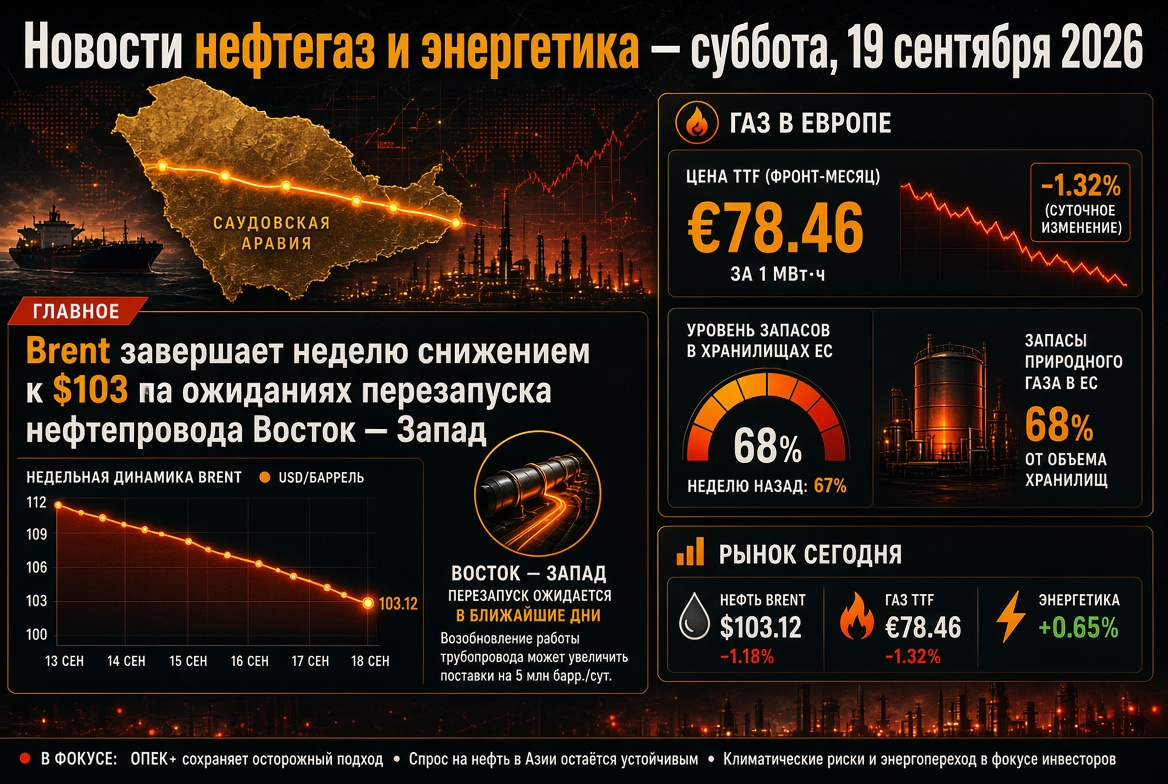
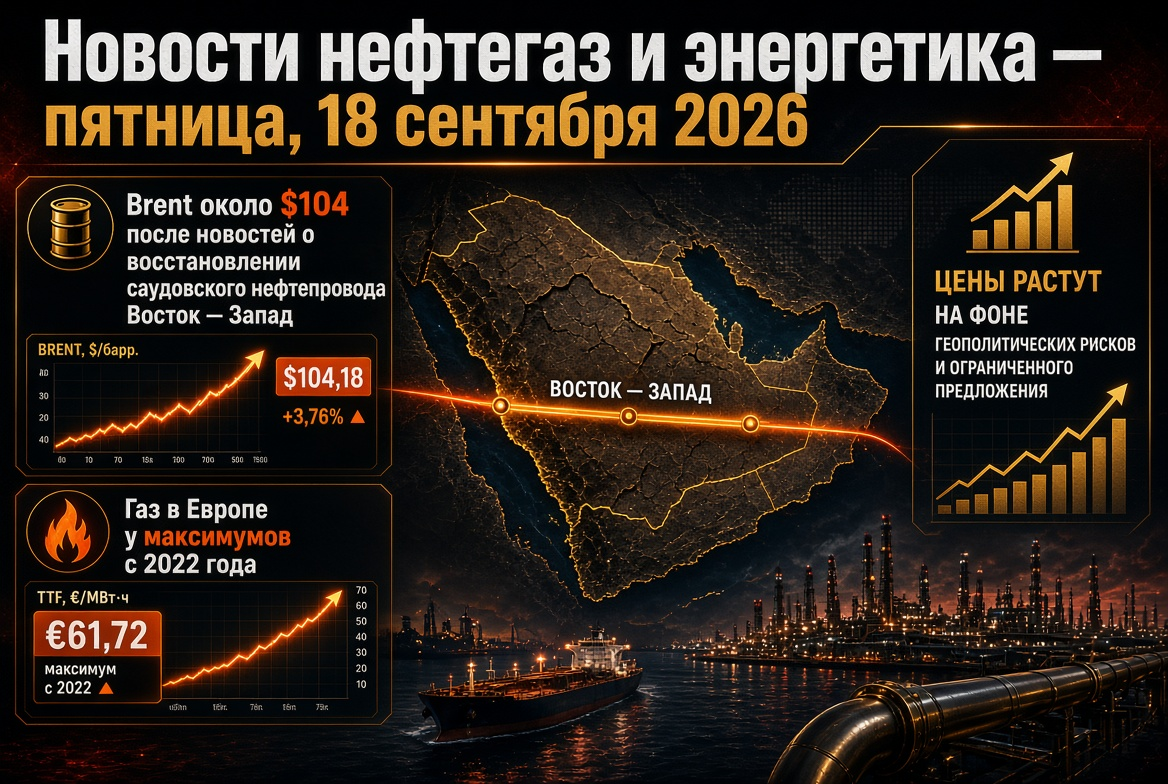
The US dollar retains its role as a safe-haven asset in periods of uncertainty. For CIS countries, a strong dollar can imply pressure on local currencies, higher import costs and additional volatility in commodity markets. Oil and gas remain important indicators not only for energy companies, but also for inflation expectations in the global economy.
What investors should watch
23 May 2026 is a day without a dense calendar of corporate reports, but with an important analytical function. Investors should use the pause to prepare for the following week, when the market will again receive new macroeconomic data and reports from major public companies.
Key benchmarks for investors:
- watch US and European government bond yields;
- assess the impact of oil and gas on inflation expectations;
- avoid overloading portfolios with expensive equities lacking sustainable earnings;
- compare company reports not only on revenue, but also on margins, debt and cash flow;
- recognise that for CIS markets, the external backdrop remains a critically important factor.
The main conclusion of the day: Saturday, 23 May 2026, does not provide investors with a large number of new releases, but it helps to set the right priorities. The global environment remains favourable for a selective approach, but not for aggressive buying of the entire market. The focus should be on quality assets, sustainable cash flows, moderate debt loads and the ability of companies to maintain profitability in a high cost of capital environment.