Key Economic Events and Corporate Reports on April 7, 2026, Including PMI, ADP US Employment, Durable Goods Orders, and the Impact of Oil and Geopolitics
April 7, 2026, is shaping up to present a mixed yet potentially volatile agenda for global markets. On one hand, investors will receive a set of leading indicators for business activity within the services sector—from Australia and Germany to the Eurozone and the UK. Conversely, US statistics on ADP employment and durable goods orders could recalibrate expectations regarding the US economy, Federal Reserve rates, and dollar dynamics.
The energy factor adds further significance to the day: in the evening, the oil market will be awaiting the API data on crude inventories in the US, while attention will soon shift overnight towards the geopolitics of the Middle East, where the ultimatum deadline set by Donald Trump regarding Iran is about to expire. For investors in the CIS countries, this means it is essential to monitor three interconnected factors: macroeconomics, oil, and geopolitical risk.
Overview of the Day for Global Markets
Tuesday sees a partial return of global markets to normalcy following the holiday pause, thus liquidity may be unevenly allocated among regions. Key themes for the global economy include:
- the state of the services sector in major economies;
- signals regarding the labor market and industrial demand in the US;
- investor sentiment in the Eurozone;
- risks to oil prices and global inflation stemming from the situation concerning Iran.
This is why April 7 serves not merely as a day of local statistics but as a comprehensive stress test for the resilience of global risk appetite.
Macro-Economic Calendar for Tuesday, April 7, 2026
Below are the key economic events for the day, in Moscow time:
- 02:00 — Australia: Services PMI and Composite PMI for March.
- 10:55 — Germany: Services PMI and Composite PMI for March.
- 11:00 — Eurozone: Services PMI and Composite PMI for March.
- 11:30 — United Kingdom: Services PMI and Composite PMI for March.
- 11:30 — Eurozone: Sentix Investor Confidence for April.
- 15:15 — United States: ADP Employment Change.
- 15:30 — United States: Durable Goods Orders for February.
- 17:00 — Canada: Ivey PMI for March.
- 23:30 — United States: Weekly crude oil inventories via API.
The macroeconomic calendar for April 7 is vital as it is almost entirely focused on early indicators of business activity. For the stock market, this is particularly significant at the start of a new quarter, as investors seek to determine whether the growth momentum is maintained or if the global economy is entering a phase of sharper slowdown.
Services PMI: The Crucial Early Signal for Global Business Activity
PMI publications from the services sector can impact not only currencies and bonds but also cyclically sensitive stocks. Germany, the Eurozone, and the UK will be in focus, as these data points set the tone for the European market and help assess how swiftly internal demand is recovering.
- Australia will reflect how its economy is managing post a prolonged period of high interest rates and a weakened consumer segment.
- Germany will provide insights into the largest economy in Europe, which is particularly important for industrial and export companies.
- Eurozone will show the overall balance between services, internal demand, and corporate activity.
- United Kingdom will remain a focal point due to the sensitivity of the pound and British assets to any deviations in the PMI.
If the final PMI values exceed expectations, this could bolster European indices and cyclic sectors. Conversely, weak figures could drive demand for defensive assets and strengthen expectations for a more dovish tone from central banks moving forward.
Eurozone and Sentix: Testing Investor Sentiments
The Sentix Investor Confidence index for the Eurozone is of particular importance. This indicator not only assesses the current investor sentiment but serves as an early signal for expectations regarding business climate, stock market performance, and the general macroeconomic backdrop in the region.
For CIS investors, three aspects are particularly noteworthy:
- how attitudes toward the Eurozone's economic prospects are changing;
- whether risk appetite for European equities is being maintained;
- if sentiment weakness can exert additional pressure on the euro and export-commodity assets.
Should Sentix decline alongside weak PMIs, Europe may emerge as one of the weakest regions of the day. Conversely, if both sets of data prove resilient, the market could find justification for the notion that global growth is not faltering just yet.
US: ADP Employment Change and Durable Goods Orders
US statistics in the afternoon will be the focal point for global investors. The ADP Employment Change figure will provide insight into private sector employment ahead of the official labor market statistics, while Durable Goods Orders will signal investment demand, industrial activity, and corporate confidence.
Points of interest for investors include:
- ADP — a strong labor market typically supports the dollar but may elevate concerns regarding interest rates.
- Durable Goods — stable orders indicate that business activity in the US remains robust, despite elevated capital costs.
- Yield Reaction — movements in the bond market will quickly transfer into equities, particularly in the technology sector and growth companies.
Should the statistics come in strong, the market may price in a more hawkish stance from the Fed. Conversely, weak data may benefit bonds, gold, and certain defensive segments of the stock market.
Oil, API, and Geopolitics: Why Energy Might be the Main Driver for the Night Session
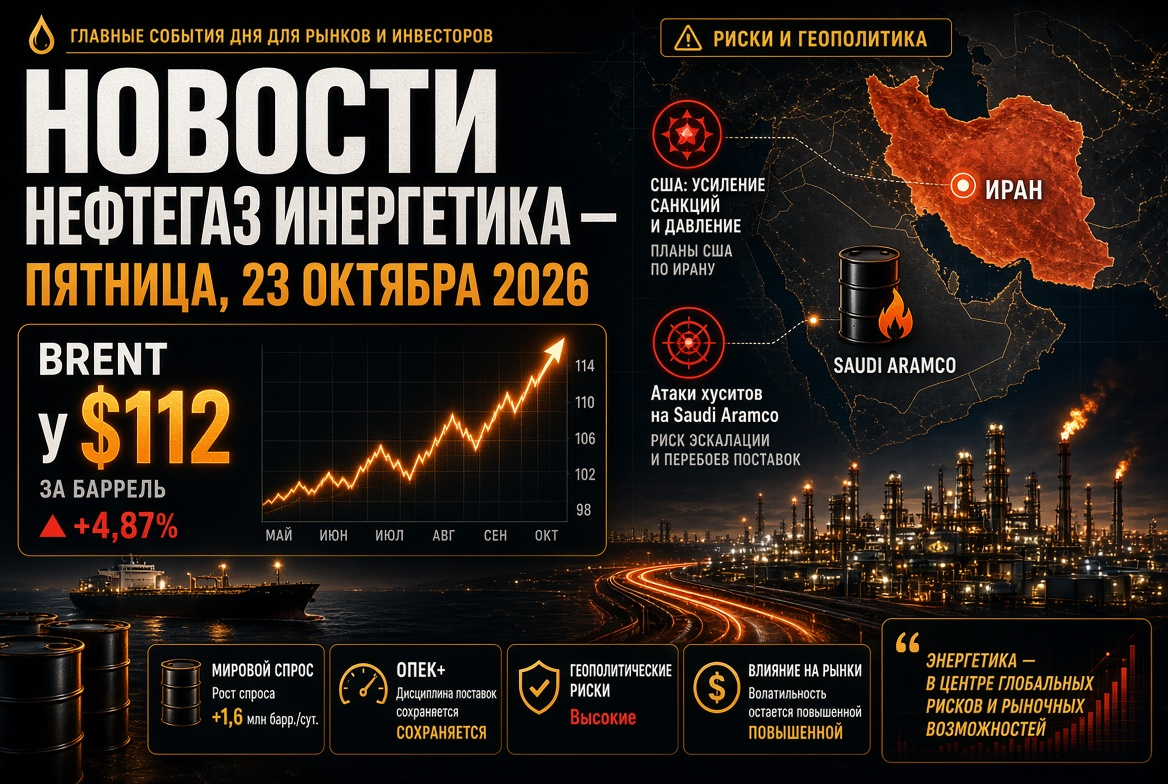
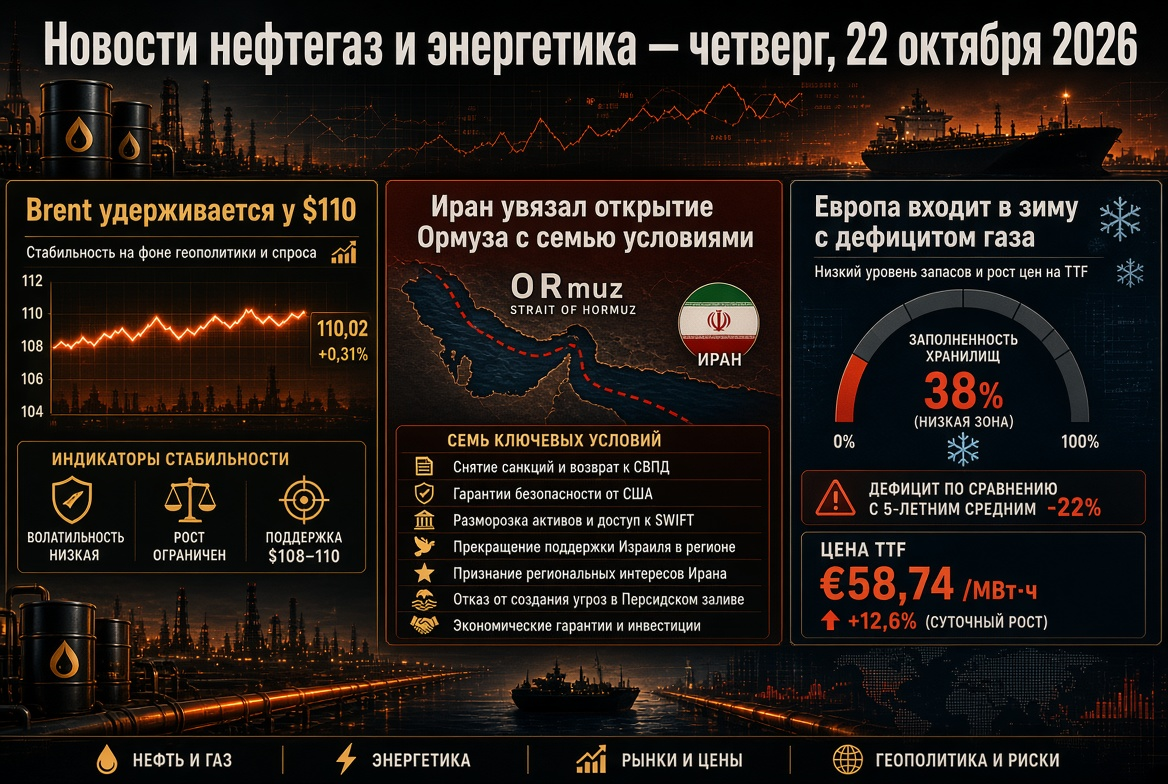
For commodity markets, April 7 is significant not only for the API report on US oil inventories but also for the overall backdrop surrounding the Middle East. The oil market remains extremely vulnerable to supply risks, transport route concerns, and any signals of potential escalation.
Key factors for oil and the energy sector include:
- API data will set a preliminary benchmark ahead of the official EIA statistics;
- any reduction in inventories could support Brent and WTI;
- geopolitical premiums may strengthen anew due to tensions surrounding Iran and the Strait of Hormuz.
On the night of April 7-8, at 03:00 Moscow time, the ultimatum deadline issued by Donald Trump concerning Iran will expire. For the markets, this implies an increased risk of volatility spikes in oil, currency pairs, and energy company stocks. In such a scenario, even a neutral API report could take a back seat if the geopolitical factor intensifies dramatically.
Corporate Reports: US, Europe, Asia, and the Russian Market
Although April 7 is not the most densely packed day of the earnings season, confirmed corporate reports are present, and for specific stocks, they could act as significant drivers of movement.
US
- Levi Strauss — one of the most notable reports of the day in the consumer sector. Investors will be looking at the margin, inventories, demand dynamics, and management forecasts.
- Greenbrier — crucial for assessing the industrial cycle, logistics, and demand for rail equipment.
- Aehr Test Systems — indicative of the semiconductor equipment segment and investment in technological infrastructure.
- Kura Sushi — signals consumer activity and behavior in the discretionary spending segment.
- Phoenix Education — less significant for the broader market, but interesting as a barometer for the Chinese educational business on its US listing.
Europe and Asia
- JTC PLC — a prominent British issuer in financial-administrative services.
- Next 15 Group — a representative of the UK media and marketing segment, interesting in terms of corporate budgets and business activity.
- Nedap — a European technology company, significant for assessing demand for digital and automation solutions.
Russia and MOEX
On the Russian market, April 7 does not feature as concentrated a block of reports from the largest public companies as in the US or Europe. For investors, this means that Russian assets will be more reactive to external factors rather than corporate results: oil prices, the dollar, global risk appetite, and geopolitical events.
Implications for S&P 500, Euro Stoxx 50, Nikkei 225, and MOEX
The structure of the day for major global indices is as follows:
- S&P 500 — the key reaction will revolve around ADP, Durable Goods, and comments on Iran. Specific movements are possible in Levi Strauss stock and related sectors.
- Euro Stoxx 50 — European PMIs and Sentix will exert the primary influence. Following the holiday pause, investors will be particularly sensitive to any deviations from expectations.
- Nikkei 225 — there is limited direct statistical reporting for Japan on this day, but the index will respond to global risk appetite, the dollar, and oil market conditions.
- MOEX — for the Russian market, decisive factors will remain the oil price, the ruble exchange rate, and the overall flow of international news.
The global focus of this day is indeed significant: Europe is assessing internal activity, the US is setting rates and dollar direction, while the Middle East retains potential for price shocks in commodity assets.
Investor Focus for the Day’s Conclusion
- European PMIs and Sentix — they will reveal whether business activity in Europe maintains resilience after a sluggish industrial period.
- ADP and Durable Goods in the US — these represent the main macroeconomic test of the day for the dollar, bonds, and US stocks.
- Oil and API — any surprises regarding inventories could amplify movements within the energy sector.
- Iranian Deadline — the leading source of out-of-schedule volatility on the evening and night. It is geopolitical developments that could reshape the market landscape after the European session closes.
- Corporate Reports — while the day is not overloaded with mega caps, results from Levi Strauss, Greenbrier, and several European companies will aid in assessing demand, investment levels, and corporate margins.
The conclusion for investors is straightforward: Tuesday, April 7, 2026, is a day when economic events and corporate reports intertwine with oil and geopolitics. For short-term strategies, swift reactions to macro statistics are essential; for mid-term strategies, it’s crucial to understand how PMI, the US labor market, and Middle Eastern risks alter evaluations of global growth. This combination will ultimately dictate market sentiments in the latter half of the week.