Economic Events and Corporate Reports: Saturday, August 1, 2026 - Berkshire Hathaway Report, OPEC+ Meeting, and South Korean Trade Statistics
Saturday, August 1, 2026, marks the beginning of a new month in the global financial markets. The stock exchanges in the US, Europe, Asia, and the Moscow Exchange are closed, but for investors, this day is far from "empty" in the calendar. Key economic events and corporate reports over the weekend are likely to set the trading direction from the opening on Monday: the market is anticipating the quarterly report from Berkshire Hathaway, a virtual meeting of OPEC+ regarding oil production for September, and July trade statistics from South Korea, a traditional barometer of global trade. In Russia, a new regulatory package comes into force on August 1, including the recalculation of pensions for working retirees. We explore the main events of the day and weekend that are significant for the stock market and private investors.
Why This Saturday is Important for Investors
August 1 falls at the intersection of two busy weeks. Behind us is the US Federal Reserve meeting (the rate remains in the approximate range of 3.75%), a block of reports from American tech giants, and the publication of IFRS reports from Norilsk Nickel for the first half of the year. Ahead are the ISM and PMI business activity indices for China, reports from Russian issuers, and the July US labor market report. The weekend of August 1-2 concentrates several catalysts:
- the publication of Berkshire Hathaway's quarterly report, traditionally released in the first days of August;
- an online meeting of seven key OPEC+ countries to discuss quotas for September;
- July export and import data from South Korea – a leading indicator of global demand;
- new regulations in Russia affecting pensions, taxes, and utilities.
Berkshire Hathaway: The Main Corporate Report of the Weekend
The central corporate event is the Berkshire Hathaway report for the second quarter of 2026. Warren Buffett and Greg Abel’s holding company traditionally publishes quarterly results on the first Saturday of August, and this year the market expects the release between August 1-3. This is the only heavyweight of the S&P 500 whose report traditionally comes out on a non-trading day, giving investors time to calmly analyze the figures before the trading opens.
What Analysts Expect from the Report
- Revenue around $95.3 billion—a growth of approximately 3% year-on-year.
- B Class earnings per share at $5.24 compared to $5.17 a year earlier.
- Insurance business dynamics: GEICO's margin remains under pressure due to increased payouts and customer acquisition costs, while the insurance float exceeds $176 billion.
- Cash reserve size and stock buyback activity—key signals about management's view on market valuation.
- Initial results under Greg Abel's leadership following Buffett's departure as CEO and integration of the $8.5 billion acquisition of Taylor Morrison Home.
Berkshire's shares have lagged the broader market this year due to a decrease in the "Buffett premium" and a low tech sector share in the portfolio, thus the reaction to the report on Monday may be notably volatile.
OPEC+ Meeting on August 2: Oil Production Decision for September
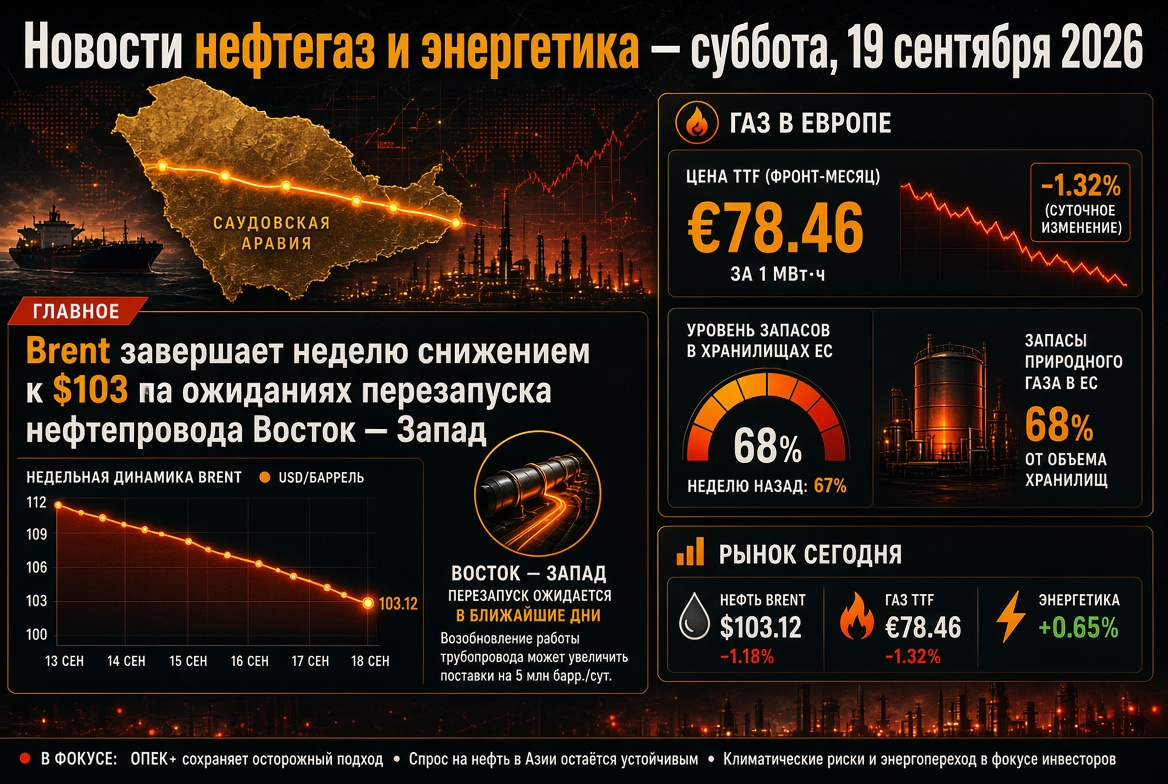
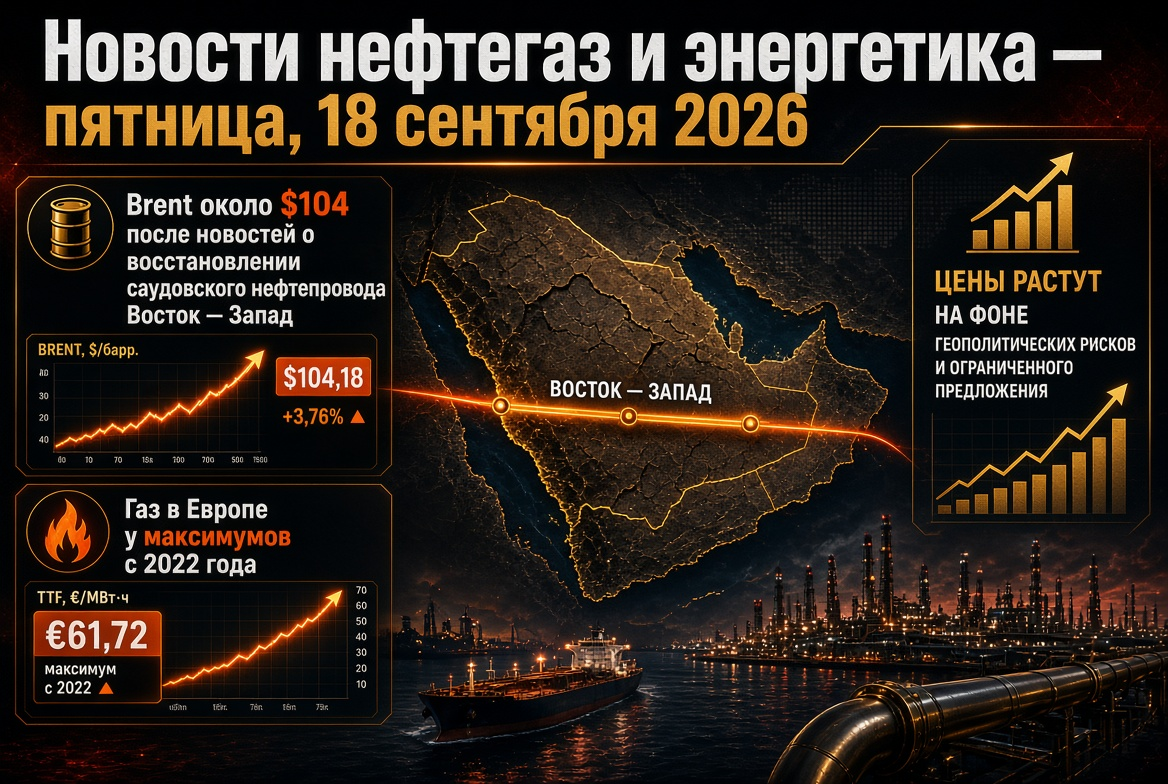
On Sunday, August 2, seven key OPEC+ producers — Saudi Arabia, Russia, Iraq, Kuwait, Kazakhstan, Algeria, and Oman — will hold a virtual meeting to determine quotas for September. The base scenario for the market is another increase in production by approximately 188,000 barrels per day, which would end a phased roll-back of voluntary cuts of 1.65 million barrels that have been in place since 2023.
Two key points are vital for the oil market:
- Possible pause after September. A freeze on quotas from October 2026 to January 2027 is under discussion, which would maintain around 2 million barrels per day in constraints and support Brent prices.
- Geopolitical backdrop. The gradual recovery of exports through the Strait of Hormuz following the conflict surrounding Iran and the UAE's departure from OPEC make the actual effect of increased quotas limited: actual production from several countries remains below allowed levels.
The outcomes of the meeting will directly impact shares in the oil and gas sector—from ExxonMobil and Shell to Rosneft and Lukoil—along with the currency exchange rate of the ruble and commodity currencies.
South Korean Trade Statistics: Global Economy Barometer
On the morning of August 1, the South Korean customs service traditionally publishes July export and import data—regardless of the weekend. Korean statistics are considered a leading indicator of global trade and semiconductor demand: the dynamics of chip supplies from Samsung and SK Hynix reflect the state of the global technology cycle and indirectly influence sentiments in shares of Nvidia, TSMC, and the entire Nikkei 225 index. Against the backdrop of US tariff policy, investors will be looking for signs of a slowdown in Asian exports within the figures.
Russia and the CIS: Changes Effective August 1, 2026
For the Russian market, Saturday is the day when approximately 90 federal regulations come into effect. The most significant changes for household economics include:
- automatic recalculation of insurance pensions for working retirees: the maximum increase is three pension points, about 470 rubles per month;
- indexation of funded pensions by 17.3%, and for participants in the co-financing program, by 19.3%;
- doubled fixed pension payments for citizens who turned 80 in July;
- transition of property tax and personal income tax notifications to electronic format through "Gosuslugi";
- new requirements for housing and utility bills’ itemization.
The additional support for disposable income is a moderately positive factor for the consumer sector on the Moscow Exchange, including retail and banks.
US Tariff Policy: Background for August
The trade agenda remains a key source of risk for global markets. In August, investors will be monitoring the introduction of 50% tariffs on Canadian goods starting August 19 and the continuation of the 25% tariff on imports from Brazil. The escalation of trade restrictions increases uncertainty for Euro Stoxx 50 exporters and Asian manufacturers, while also sustaining inflation expectations in the US, thereby limiting the Federal Reserve's room to cut the rate.
Week Summary: Context Before Monday's Opening
The past week concluded with the publication of Norilsk Nickel's IFRS half-year report and operational results from MD Medical, alongside a block of corporate reports in the US. The S&P 500 index remains near historical highs with the Fed rate around 3.75% and an inflation rate of about 3.5%—a combination that makes the market particularly sensitive to macro statistics at the beginning of August.
Upcoming Week Calendar: Key Events
- August 3—ISM Index in the US manufacturing sector, PMI for Chinese industry (RatingDog, formerly Caixin), and TGC-1 IFRS half-year report.
- August 5—IFRS report from Rostelecom for six months of 2026.
- August 6—IFRS results from Unipro.
- August 7—July US labor market report (Non-Farm Payrolls), a key release for Fed rate expectations.
What Investors Should Pay Attention To
Saturday, August 1, 2026, is a day for preparation, not transactions. Investors should focus on three areas. Firstly, the Berkshire Hathaway report: the holding's cash position and comments from Greg Abel will serve as indicators of "smart money" sentiment regarding current market valuations. Secondly, the OPEC+ decision on August 2: a signal about a potential pause in production increases after September could support oil prices and shares in the commodity sector, whereas a strict continuation of quota increases would intensify pressure on Brent. Thirdly, macro statistics at the start of the month—from Korean exports to the US ISM and employment report—that will determine the trajectory of expectations for the Fed rate. A considered position before Monday's opening, monitoring the share of commodity assets, and paying attention to tariff news from Washington remain the fundamental strategy for the beginning of August.