Main Economic Events and Corporate Reports on Thursday, June 18, 2026: Decisions from Central Banks of Brazil, Switzerland, and the United Kingdom, U.S. Statistics, EIA Natural Gas Inventory, NATO Defense Ministers Meeting, and Reports from Accenture and Kroger
The main feature of the day will be the combination of monetary decisions and macroeconomic statistics. Markets will assess whether there remains space for monetary easing in the global economy, or if inflationary risks are prompting regulators to act more cautiously. For the stock market, the key events will be the Bank of England, the Swiss National Bank, the Brazilian central bank's rate decision, the U.S. jobless claims data, the Philadelphia Fed Manufacturing Index, and natural gas inventory figures.
At the corporate level, the focus will be on the reports from Accenture and Kroger. These companies represent different sectors of the economy: Accenture reflects demand for IT consulting, digital transformation, and corporate technology spending, while Kroger illustrates the state of consumer demand, grocery retail, and margins amid ongoing pressure on households.
Main Economic Events on Thursday, June 18, 2026
The economic calendar of the day forms a broad picture of the global environment, spanning from Latin America and New Zealand to Europe, the United Kingdom, Canada, and the U.S. It's important for investors to view not each release in isolation but the overall signal: is the likelihood of tighter policy increasing? Is the U.S. economy maintaining its resilience? Is pressure on commodity markets intensifying, and how might this impact stocks, bonds, currencies, and commodity assets?
- 00:30 Moscow time - Brazil: Central Bank rate decision.
- 01:45 Moscow time - New Zealand: GDP for Q1 2026.
- 10:30 Moscow time - Switzerland: Swiss National Bank rate decision.
- 14:00 Moscow time - United Kingdom: Bank of England rate decision.
- 15:30 Moscow time - Canada: May PPI industrial inflation.
- 15:30 Moscow time - United States: Initial jobless claims.
- 15:30 Moscow time - United States: Philadelphia Fed Manufacturing Index for June.
- 17:00 Moscow time - United States: Leading Economic Index for May.
- 17:30 Moscow time - United States: EIA weekly natural gas inventory.
Central Banks: Brazil, Switzerland, and the UK Set the Tone for Markets
The first significant event will be the decision from the Central Bank of Brazil. For investors in emerging markets, the rate in Brazil is seen as an indicator of sentiment regarding emerging market currencies, bonds, and carry trade. If the regulator confirms a cautious stance, it could support interest in the yield assets of emerging countries; however, with ongoing inflation risks, the market will closely monitor the rhetoric.
The Swiss National Bank's decision is traditionally viewed as a signal for safe-haven assets. The Swiss franc remains a safe-haven currency, so the regulator's comments on the franc's exchange rate, inflation, and external risks could influence the demand for protective instruments, gold, and European bonds.
The most important European event will be the Bank of England's decision. It holds significance for global markets for several reasons:
- The British pound influences the dynamics of the developed market currency basket.
- The Bank of England's rhetoric could alter expectations regarding interest rates in Europe.
- The condition of the British economy serves as an indicator of consumer demand and inflationary pressure.
- The regulator's decision may impact the banking, real estate, and consumer stock sectors.
Europe and Geopolitical Context: NATO Defense Ministers Meeting in Brussels
Beyond macroeconomics, investors will consider the geopolitical factor. A meeting of NATO defense ministers will take place in Brussels. This event is important for markets through several channels: defense spending, budgetary pressures in Europe, the dynamics of military-industrial companies' stocks, energy security, and the overall level of geopolitical risk premium in commodity prices.
If the meeting emphasizes increased defense budgets, it could bolster the European defense sector and companies linked to security infrastructure. At the same time, heightened state expenditures may enhance discussions around budget deficits, bond yields, and fiscal policy prospects in the Eurozone.
The United States: Labor Market, Production, and Leading Indicators
The U.S. statistical block will be crucial for assessing the state of the world's largest economy. Initial jobless claims will indicate whether the labor market remains resilient or is progressively cooling. For the Federal Reserve, the labor market remains one of the main gauges when evaluating the balance between inflation and economic growth.
The Philadelphia Fed Manufacturing Index for June will provide insights into industrial activity in one of the key U.S. regions. If the index falls short of expectations, it could heighten concerns regarding production slowdowns. Conversely, if the figure surpasses forecasts, the market might view this as confirmation of robust business activity but also as a factor reducing the likelihood of expedited monetary easing.
The Leading Economic Index for May will be particularly important for medium-term investors. It encompasses several components, including orders, the labor market, consumer expectations, construction activity, and financial conditions. For the U.S. stock market, this indicator may support a “soft landing” scenario or conversely amplify concerns regarding economic slowdown.
Canada and the Commodity Sector: PPI and U.S. Natural Gas Inventories
Canada’s industrial inflation for May is significant in evaluating price pressure within the commodity economy. For CIS investors, this data is relevant through its connection to commodity markets, currencies of resource-rich countries, and expectations regarding the Bank of Canada's policy. An acceleration in PPI may intensify concerns over production costs, while a deceleration is seen as signaling weakening inflationary pressure.
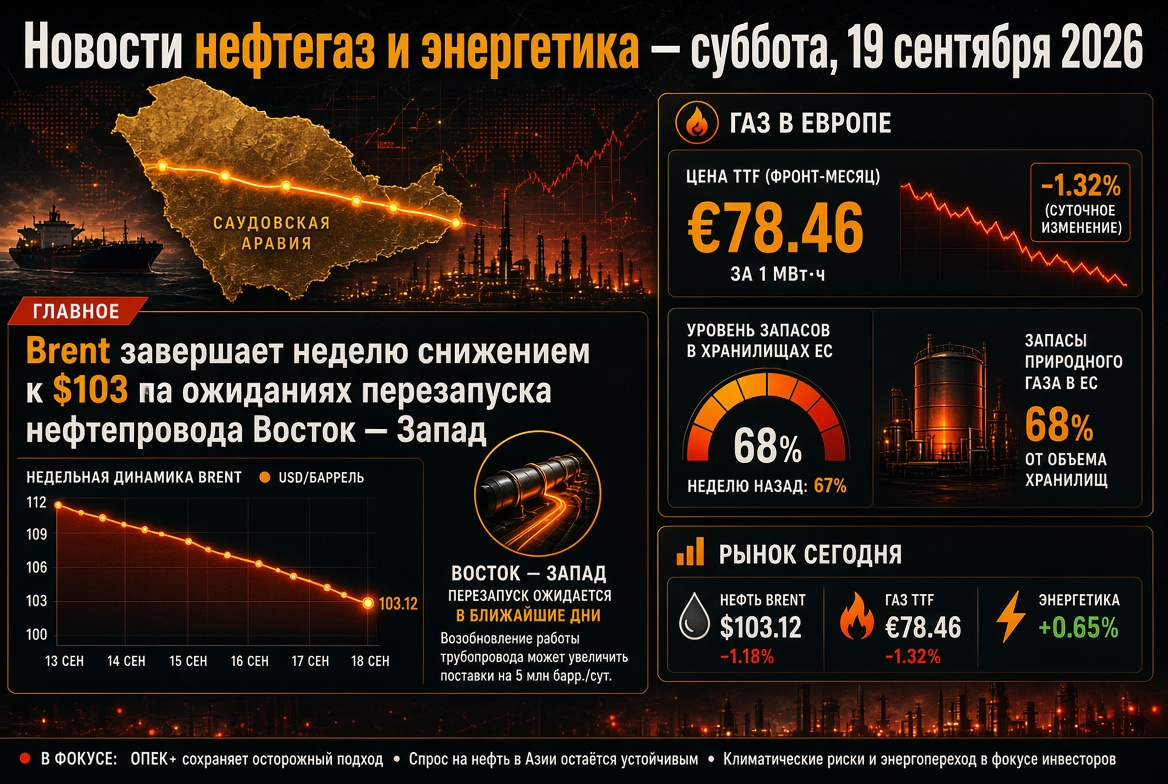
The EIA's natural gas inventory report in the U.S. at 17:30 Moscow time will be a significant event for the energy market. Inventory data influences Henry Hub prices, sentiment in the LNG sector, stock prices of gas-producing firms, and expectations regarding summer electricity demand. For the energy sector, it's not only the change in inventories that matters, but also the comparison with seasonal norms, weather expectations, and LNG export dynamics.
U.S. Corporate Reports: Accenture and Kroger in the Spotlight
The main corporate reports of the day will be released before the opening of the U.S. market. For the S&P 500 index and the broader U.S. stock market, Accenture and Kroger will be the most significant.
- Accenture - Q3 2026 earnings report. Investors will evaluate revenue, earnings per share, new orders, demand for consulting services, developments in AI sectors, profitability, and management forecasts. This report is critical for the entire IT sector, as Accenture indicates how willing corporations are to continue spending on digital transformation.
- Kroger - Q1 2026 earnings report. The market will focus on comparable sales, consumer activity, cost pressures, price dynamics for products, margins, and year-end forecasts. For investors, this is one of the indicators of the real state of the American consumer.
- Almonty Industries and SOLV Energy - additional smaller reports that may attract interest from investors in materials, energy, and the industrial supply chain, though their impact on the broader market will be limited.
Following the close of the market, fewer major reports that could significantly alter the S&P 500's dynamics are anticipated. This makes the morning block of corporate reporting particularly critical: the reaction to Accenture and Kroger may set the tone for the entire trading day.
European, Asian, and Russian Companies: What Matters for Euro Stoxx 50, Nikkei 225, and MOEX
In the European block, besides Accenture, which is registered in Ireland and listed on the New York Stock Exchange, investor attention may be drawn to Tesco’s trading update. For Europe’s consumer sector, this is an important benchmark regarding retail demand, food inflation, and household behavior. Although Tesco is not part of the Euro Stoxx 50, it remains a significant indicator of consumer economics in the UK and Europe.
For large companies in the Nikkei 225, June 18 looks less eventful regarding reporting. For the Japanese market, the main focus during this period is shifting towards corporate governance, annual shareholder meetings, and expectations regarding the Bank of Japan's policy. Therefore, external factors such as yen dynamics, U.S. bond yields, demand for technology stocks, and global risk appetite may be more significant for the Nikkei 225 index.
In the Russian market, MOEX, on this day, key considerations for investors will be not so much individual reports from large issuers but rather the global environment: oil, gas, the dollar, developed countries' rates, and the geopolitical backdrop. For Russian stocks, especially important are commodity prices, expectations of export revenues, tax burdens, dividend stories, and sentiment in emerging markets.
Possible Market Reactions: Stocks, Bonds, Currencies, and Commodities
For stock markets, Thursday, June 18, may be a day of heightened volatility. If the Bank of England's and the Swiss National Bank's decisions are accompanied by a hawkish tone, bond yields may receive support, while growth stocks could be under pressure. Conversely, if regulators signal a reduction in inflation risks, this may bolster stock indices and diminish demand for safe-haven assets.
For the currency market, the key instruments of the day will be the British pound, Swiss franc, U.S. dollar, Brazilian real, and Canadian dollar. For CIS investors, it's particularly important to track the dollar index, as its movement influences the prices of commodities, currencies in emerging markets, and the capitalization of export-revenue-dominated companies.
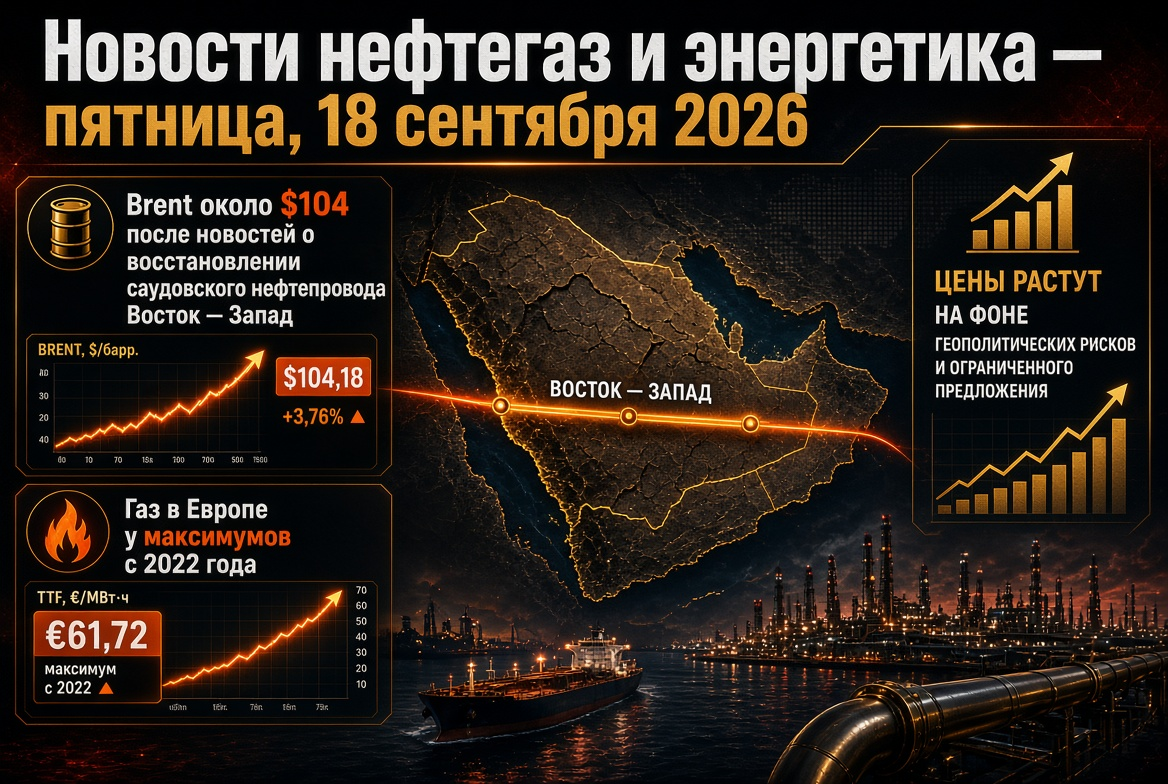
For the commodity market, the main factors will be U.S. natural gas inventories, geopolitical premiums, expectations regarding industrial demand, and dollar dynamics. Oil and gas prices may respond not only to fundamental data but also to signals from Brussels regarding security, defense, and Europe’s energy resilience.
What Investors Should Focus On
Investors should view June 18, 2026, as a comprehensive day, where macroeconomics, central bank policies, corporate reports, and geopolitics will interplay simultaneously. The key focus points of the day are:
- Bank of England's decision and tone of commentary on inflation, interest rates, and economic growth.
- Swiss National Bank's stance on the rate, franc, and inflation forecast.
- U.S. labor market and industrial data as indicators of economic resilience.
- The Leading Economic Index in the U.S. as a signal for the mid-term cycle.
- EIA natural gas inventories and the energy market's reaction.
- Accenture's report as a demand indicator for technology, AI, and corporate consulting.
- Kroger's report as a barometer of the American consumer and grocery retail health.
- Geopolitical outcomes from the NATO Ministers of Defense meeting in Brussels.
For long-term investors, the main takeaway is that the market continues to balance between two scenarios: resilient economic growth with moderate inflation or a new wave of pressure from rates, commodities, and geopolitics. In such an environment, diversification, currency risk management, attention to corporate profit quality, and caution in rate-sensitive stocks are particularly important. Thursday, June 18, may not only impact the short-term dynamics of the S&P 500, Euro Stoxx 50, Nikkei 225, and MOEX but also clarify investors’ expectations regarding the global economy for the second half of 2026.