Detailed Overview of Economic Events and Corporate Reports for May 5, 2026: RBA Rate Decision, Services PMI, Swiss Inflation, Lagarde's Speech, US Trade Balance, ISM Services, JOLTS, API Oil Inventories, and Reports from AMD, Pfizer, HSBC, Shopify, PayPal, and Other Major Public Companies in the USA, Europe, Asia, and Russia
Tuesday, May 5, 2026, promises a packed agenda for global markets. Key topics for investors will include the Reserve Bank of Australia's interest rate decision, Swiss inflation figures, a speech by ECB President Christine Lagarde, the US trade balance, services business activity indices, and JOLTS data on open job vacancies in the American labor market. These economic events will be crucial for assessing the trajectory of interest rates, the dollar's exchange rate, bond dynamics, stock indices, and commodity assets.
The corporate agenda will also be dense. Before the market opening, HSBC, Eaton, Pfizer, Shopify, Duke Energy, PayPal, American Electric Power, IDEXX Laboratories, Thomson Reuters, and several other major public companies will report earnings. After market close, investor focus will shift to AMD, Arista Networks, Emerson Electric, Suncor Energy, EOG Resources, Occidental Petroleum, Strategy, Electronic Arts, Coupang, and Super Micro Computer. This day could serve as a significant indicator for the resilience of corporate earnings in an environment of high capital costs and uneven global demand for the US, Euro Stoxx 50, Asian markets, and MOEX.
Macroeconomic Calendar for May 5, 2026, in Moscow Time
- 02:00 — Australia: Services PMI and Composite PMI for April.
- 07:30 — Australia: Reserve Bank of Australia's interest rate decision.
- 08:30 — Australia: Press conference by the Reserve Bank of Australia.
- 09:30 — Switzerland: Consumer Price Index (CPI) for April.
- 15:30 — Eurozone: Speech by ECB President Christine Lagarde.
- 15:30 — USA: Trade balance for March.
- 16:30 — Canada: Services PMI and Composite PMI for April.
- 16:45 — USA: S&P Global Services PMI and Composite PMI for April.
- 17:00 — USA: ISM Services PMI for April.
- 17:00 — USA: JOLTS report on the number of open vacancies for March.
- 17:00 — USA: New Home Sales for March.
- 23:30 — USA: Weekly oil inventories as per API data.
Asia and Australia: RBA Rate Decision, PMI, and Closed Markets in China and Japan
The main event for the Asian session will be the Reserve Bank of Australia's decision. If the regulator intensifies its rhetoric on inflation, this could support the Australian dollar and increase pressure on the debt market. For CIS investors, it is essential to monitor not just the interest rate decision but also the tone of the press conference: comments regarding future monetary policy often provide a more robust market impulse than a formal change in the rate.
Additional focus will be on the Services PMI and Composite PMI indices for Australia. These will indicate the state of the services sector, domestic demand, and business activity. Given the sensitivity of the global economy to interest rates and commodity prices, any signs of a slowdown in services could bolster demand for defensive assets.
China's and Japan's markets will be closed on May 5, implying limited liquidity for Asian risks and possible deferred reactions to external news until the next trading session. In Japan, the market closure is related to the holiday calendar; therefore, investors watching the Nikkei 225 should consider the risk of a delayed response to American data and corporate reports.
Europe: Swiss Inflation and Signals from the ECB
The Swiss CPI for April is an important indicator of inflationary pressure in one of Europe's most resilient economies. Low inflation could bolster expectations for accommodative policies from the Swiss National Bank, while rising prices may strengthen demand for the franc as a safe haven currency.
Christine Lagarde's speech at 15:30 Moscow time will be the key European event of the day. Investors will be looking for signals regarding the future trajectory of ECB rates, inflation assessment, wage dynamics, and the state of the credit market. Comments regarding the banking sector, industry, energy, and consumer demand will be particularly critical for the Euro Stoxx 50. A more hawkish tone may exert pressure on growth stocks and highly leveraged companies, while a neutral tone could support European indices.
USA: Trade Balance, ISM Services, JOLTS, and Real Estate Market
The American session will be pivotal for global risk appetite. The US trade balance for March will reveal external demand dynamics, imports, and exports. A worsening deficit may amplify concerns regarding dollar resilience and consumption structure, while an improvement could support expectations for more balanced economic growth.
The primary macro indicator for the day is the ISM Services PMI. The services sector remains the backbone of the American economy, thus the market will closely monitor:
- the business activity index;
- new orders;
- employment component;
- price index reflecting inflationary pressure in services.
Concurrently, JOLTS data on open vacancies will be released. A robust labor market may reduce the likelihood of a quick easing of Fed policy, supporting Treasury yields and increasing pressure on growth stocks. Conversely, weak data could bolster the tech sector while raising concerns over economic slowdowns.
New Home Sales will provide additional insight into the state of the American housing market. For banks, construction companies, building materials manufacturers, and the consumer sector, this metric remains a vital indicator of credit demand and household resilience.
Oil and Commodity Markets: API Inventories as a Signal Ahead of EIA Statistics
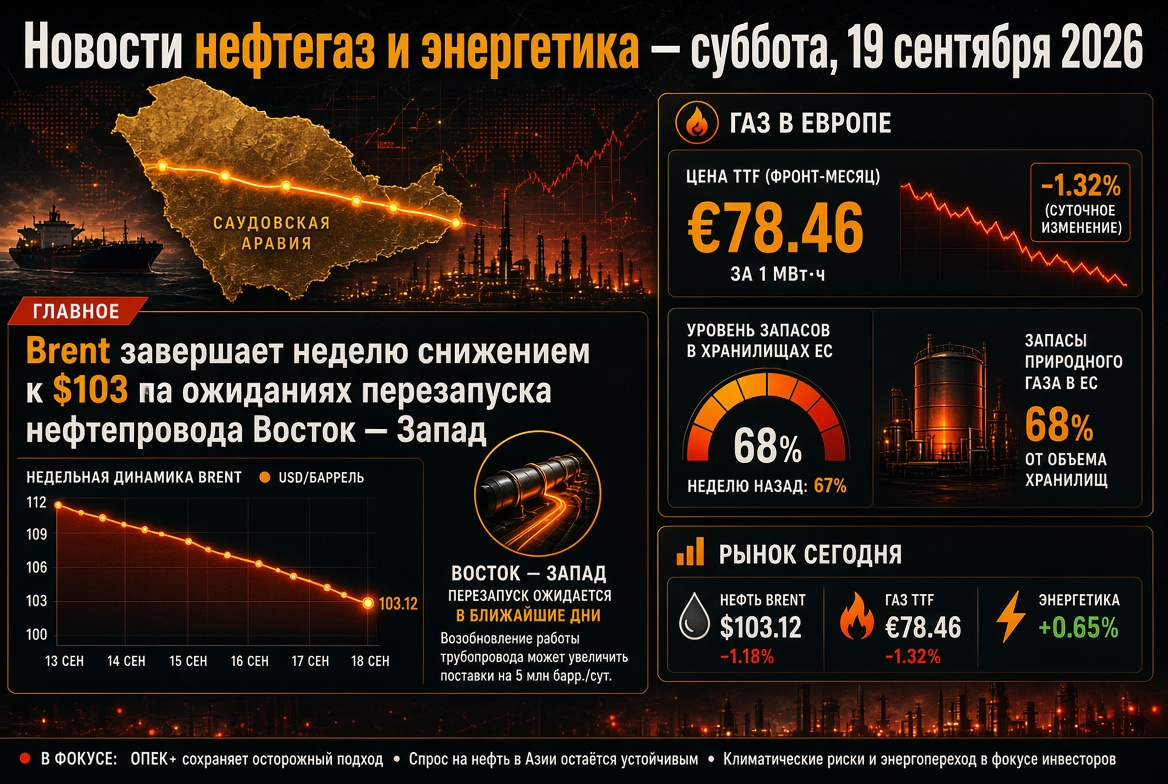
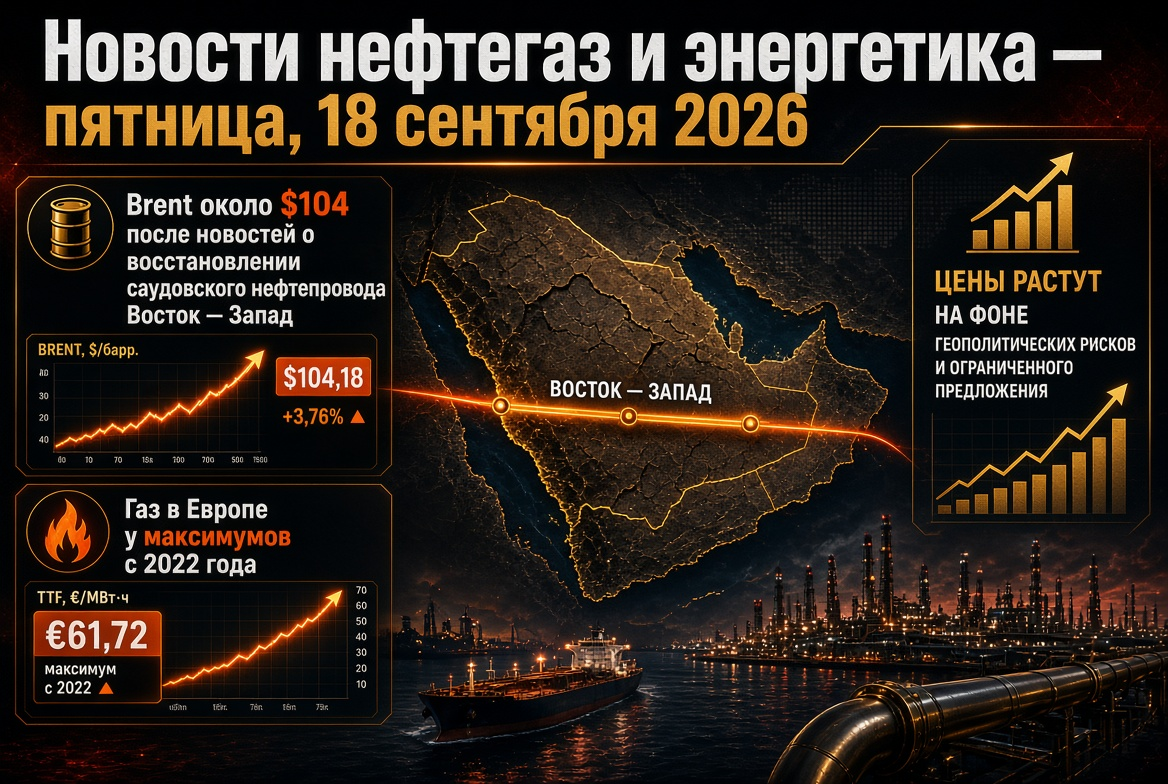
At 23:30 Moscow time, a preliminary estimate of weekly oil inventories in the US based on API data will be released. For the commodities and energy sectors, this release is important as an early indicator ahead of official EIA statistics. An increase in inventories could heighten pressure on oil, especially if fears regarding demand slowdowns simultaneously escalate. A decrease in inventories, on the other hand, could support Brent and WTI prices, as well as shares of oil and gas companies.
For CIS investors, oil statistics carry additional significance: oil dynamics influence the currencies of commodity economies, export revenues, shares in the oil and gas sector, corporate bonds from the energy sector, and expectations surrounding budgetary parameters.
Corporate Reports Before Market Open: Banks, Pharma, Energy, Fintech, and Consumer Sector
Before market opening, investors will evaluate the earnings reports from major public companies spanning various sectors. Focus will be on HSBC as a global bank with high sensitivity to rates and the Asian economy, Pfizer as a representative of the pharmaceutical sector, Shopify as an e-commerce indicator, PayPal as a barometer of digital payments, and Duke Energy and American Electric Power as defensive representatives of the power industry.
Major reports before the market opens include:
- HSBC — banking sector, interest margin, credit risks, Asia, and global liquidity.
- Eaton — industry, electrification, energy management, demand for infrastructure solutions.
- Pfizer — pharmaceuticals, revenue from key drugs, research and development expenditure.
- Shopify — e-commerce, GMV, margin, subscription service growth rates.
- AB InBev — consumer sector, sales volumes, profitability, and pricing policy.
- Duke Energy and American Electric Power — utility sector, investment programs, regulatory tariffs.
- PayPal — digital payments, active accounts, transaction margin, and competition with fintech platforms.
- IDEXX Laboratories — diagnostics and veterinary services, resilience of healthcare demand.
- Thomson Reuters — information services, legal technologies, subscription revenue.
Corporate Reports After Market Close: AMD, Arista, Energy, and AI Infrastructure
After market close, attention will shift to companies that may set the tone for technology and energy sectors. The day’s main report will come from AMD. Investors will evaluate data center dynamics, demand for AI chips, competition with Nvidia, and margin forecasts. Arista Networks is crucial as an indicator of hyperscaler expenditures on networking infrastructure, while Super Micro Computer serves as a gauge for demand for servers and AI infrastructure.
Key reports after the market closes include:
- AMD — AI chips, data centers, gross margin, revenue forecast.
- Arista Networks — networking equipment, cloud clients, orders from hyperscalers.
- Emerson Electric — automation, industrial demand, capital expenditures from clients.
- Suncor Energy, EOG Resources, and Occidental Petroleum — oil and gas sector, free cash flow, production, and dividends.
- Strategy — corporate balance, impact of digital assets, valuation volatility.
- Electronic Arts — gaming industry, digital sales, subscriptions, forecasts for new releases.
- Coupang — e-commerce in Asia, logistics, profitability, user base growth.
- Super Micro Computer — AI servers, revenue growth rate, profitability, and regulatory risks.
Russia and MOEX: Dividends, Corporate Events, and Local Risk Profile
In the Russian market, May 5 will focus on corporate events related to dividend decisions and registers. The board of directors at RUSAL is set to discuss dividends for the first quarter. Investors should also consider the closure of the register for participation in the annual shareholders' meeting of Sollers and dividend dates for other issuers.
For MOEX, this is not a day of mass reporting from the largest companies; however, the corporate calendar is significant for the short-term dynamics of individual stocks. The Russian market remains sensitive to dividend expectations, the Bank of Russia's rate, the ruble's exchange rate, oil prices, and domestic liquidity. Thus, even local corporate decisions can provoke significant movements in individual stocks.
Summary of the Day: Key Takeaways for Investors
- RBA Decision. It’s crucial not just to note the change in the rate but also the tone of the press conference, which will impact the Australian dollar, commodity currencies, and global rate expectations.
- ISM Services and JOLTS in the USA. These data will reveal whether the American economy is maintaining resilience and how strong the labor market remains.
- Christine Lagarde's Speech. Any signals regarding inflation and ECB rates could affect the Euro Stoxx 50, the euro, and European bonds.
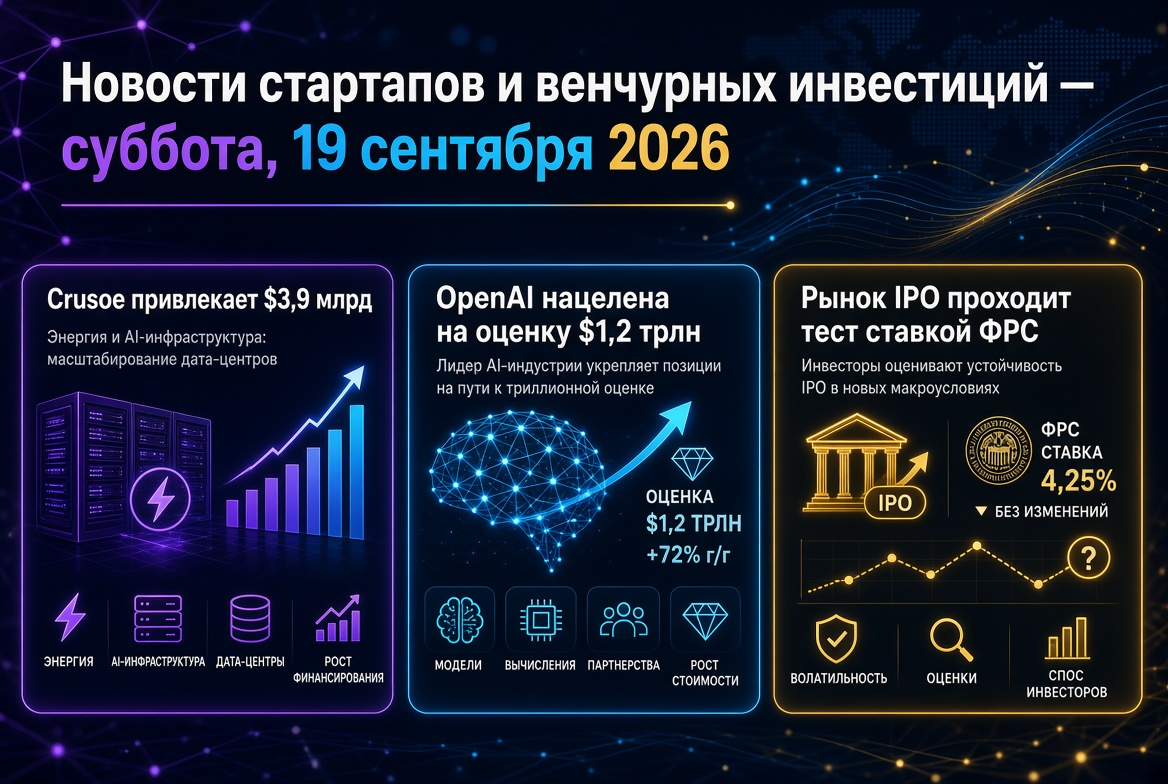
- Reports from AMD, Arista, and Super Micro. The tech sector anticipates confirmation of demand for AI infrastructure and data centers.
- API Oil Inventories. These figures are important for Brent, WTI, energy companies, and commodity currencies.
- Dividend Events on MOEX. Russian investors should monitor dividend decisions and register dates, as they can influence local liquidity and short-term stock dynamics.
Overall, May 5, 2026, is a day marked by a high concentration of macroeconomic and corporate signals. For investors, the key task is to not react to each individual release in isolation but to evaluate the overarching connections: rates, inflation, the labor market, corporate earnings, oil, and currencies. It is this linkage that will determine the direction of global markets in the latter half of the week.