Economic Events and Corporate Reports on Friday, June 12, 2026: US Consumer Sentiment Index, UK GDP, Eurozone and Japan Industry, OPEC Report, Baker Hughes Data, and Key Investor Benchmarks
Friday, June 12, 2026, concludes a busy macroeconomic week focused on inflation, interest rates, consumer demand, and industrial sector resilience. For investors from the CIS countries, this day is significant not for extensive corporate reporting but for the set of indicators that will help assess the prospects of the stock market, the dynamics of the dollar, euro, pound, oil, gas, and global bonds.
The key focus of the day is the preliminary US consumer sentiment index from the University of Michigan for June. Following strong inflation signals and rising energy prices, this figure will serve as an important benchmark for evaluating American consumer behavior, inflation expectations, and the Federal Reserve's future policy. Additionally, investors will be monitoring UK GDP, Japan's industrial production, eurozone industrial statistics, China's credit data, the OPEC report, and Baker Hughes drilling activity data.
Main Theme of the Day: US Consumer Sentiment and Inflation Expectations
For the global market, the US remains the main liquidity centre, so the University of Michigan's consumer sentiment index for June could be the most sensitive event of the day. Investors will assess not only the confidence index itself but also one-year and long-term inflation expectations.
Why this is important:
- weak consumer sentiment may heighten concerns regarding a slowdown in the US economy;
- rising inflation expectations may reduce the likelihood of a swift easing of Fed policy;
- a combination of weak demand and high inflation creates the risk of a stagflation scenario;
- market reactions could impact the S&P 500, Nasdaq, dollar, gold, and the yields on US Treasury bonds.
For investors, the baseline scenario for June 12 is an increased market sensitivity to any data confirming sustained inflation. If consumer expectations remain high, the stock market may ramp up its reassessment of future corporate earnings, particularly in the retail, real estate, finance, and growth technology sectors.
US: Baker Hughes, Rate Expectations, and Energy Influence
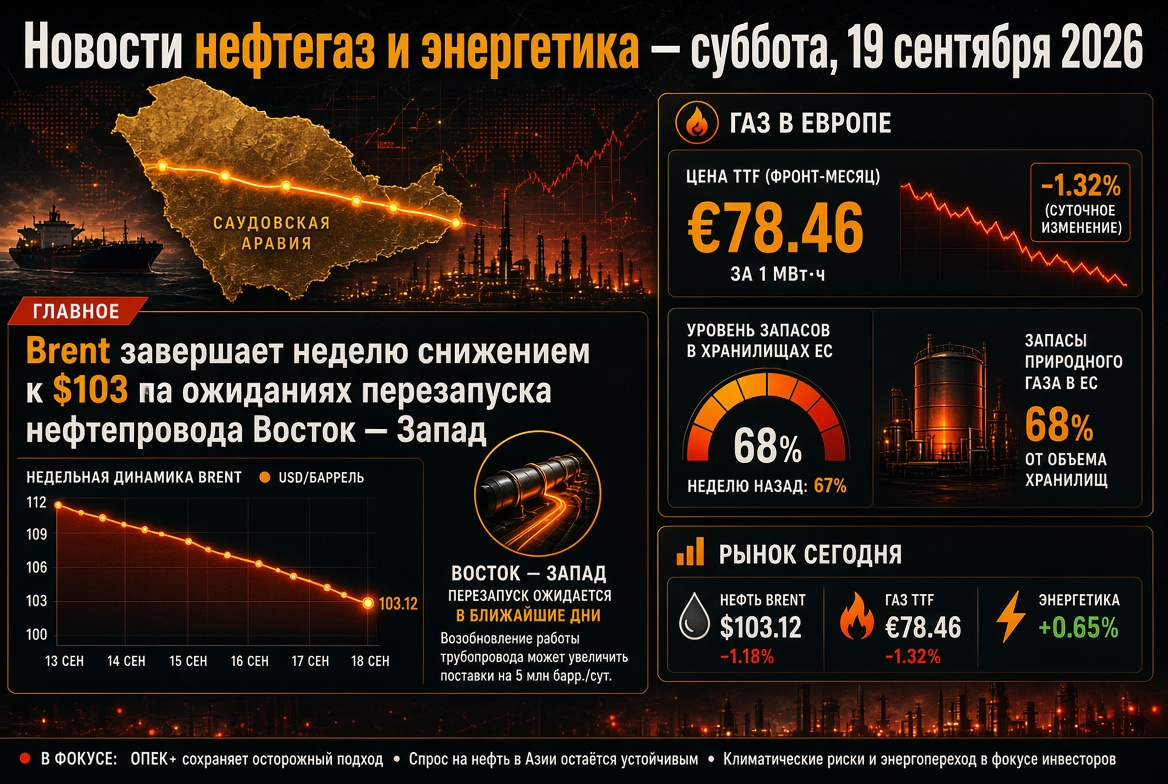
In addition to the consumer index, the US will release Baker Hughes statistics on the number of drilling rigs. This indicator is especially important for the oil and gas sector, as it reflects the activity of oil and gas producers in North America.
For the energy market, drilling rig data is significant for three reasons:
- it shows whether producers are willing to increase output at current oil and gas prices;
- it impacts expectations for future supply of raw materials;
- it helps assess the investment activity of oil service companies.
If the number of rigs is increasing, it may indicate producers' confidence in maintaining high prices. Conversely, if the number decreases, the market may take this as a sign of caution in the oil and gas sector. For investors in energy stocks, oil service contractors, and commodity ETFs, this indicator remains one of the key weekly benchmarks.
UK: GDP, Industry, and Trade Balance
One of the major European data releases will be the UK statistics for April. The calendar includes monthly GDP, industrial production, manufacturing output, construction sector data, and trade balance. For the pound and British assets, this is an important data package as it will reveal how well the economy is managing the high cost of borrowing and pressure on consumer budgets.
Investors should pay attention to the following indicators:
- monthly dynamics of UK GDP;
- industrial production;
- manufacturing sector;
- trade balance;
- construction activity.
Strong data could support the pound and UK stocks but could simultaneously lower expectations of a near-term easing of Bank of England policy. Weak data, on the other hand, could intensify discussions about economic slowdown and risks for companies dependent on domestic demand.
Eurozone and Germany: Industry, Trade, and Inflation Background
For Europe, Friday will be important in terms of the industrial cycle. Investors will monitor eurozone industrial production, trade balance, and final inflation figures from Germany for May. These indicators will help assess the state of Europe's largest economic block following a period of weak growth, high energy costs, and cautious European Central Bank policy.
For the Euro Stoxx 50 index, the most sensitive sectors remain:
- banks and insurance companies — through expectations for ECB rate moves;
- industry — through order dynamics, export activity, and production costs;
- automakers — through trade balance and external demand;
- energy — through oil, gas, and electricity prices;
- consumer sector — through inflation and real household incomes.
If eurozone industrial statistics are weak, the market may revisit the low growth narrative in Europe. If the data exceeds expectations, it could support cyclical stocks but may simultaneously intensify caution regarding the future trajectory of interest rates.
Asia: Japan, China, and Credit Impulse
In Asia, the key benchmarks of the day will be the final data on Japan's industrial production for April and China's credit statistics for May. For Nikkei 225, the Japanese industrial sector remains an important indicator of exporters, equipment manufacturers, automotive companies, and the technology sector.
Chinese statistics on new loans, M2 money supply, total social financing, and credit growth will show how actively the financial system supports the economy. For global investors, this is significant as China remains a key demand source for raw materials, industrial metals, energy, and equipment.
Three signals are particularly important:
- accelerating credit growth could support commodity markets and stocks of infrastructure-related companies;
- weak credit impulse may heighten concerns regarding domestic demand in China;
- money supply dynamics influence expectations for stimulus measures from Chinese authorities.
Commodity Market: OPEC Report and Oil & Gas Sector
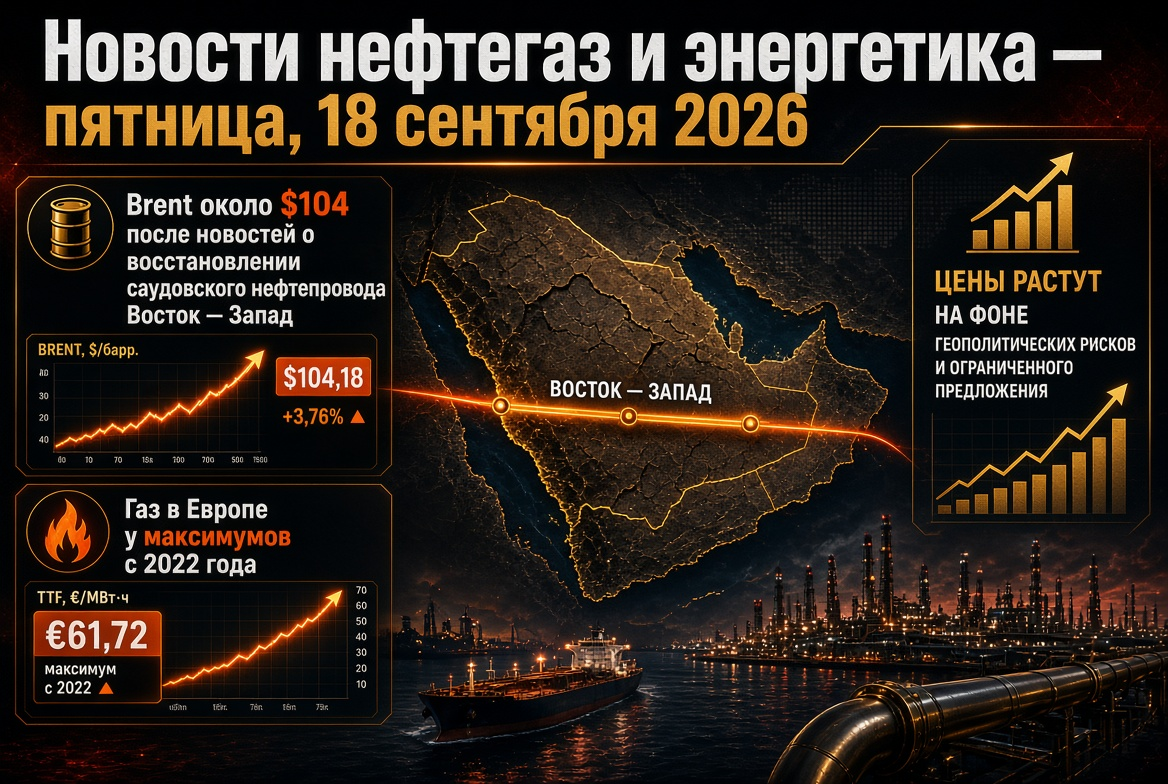
Attention on June 12 will be focused on the monthly OPEC report. For investors in the oil and gas sector, this document serves as a crucial source of assessments regarding global oil demand, supply from non-OPEC countries, inventories, and market balance.
Against the backdrop of geopolitical risks and increased volatility in energy commodities, the OPEC report may influence expectations regarding Brent, WTI, oil and gas stocks, and currencies of resource-exporting countries. For the CIS audience, this is especially relevant, as the oil market is directly linked to budget revenues, currency rates, export earnings, and dynamics of energy company stocks.
Investors should evaluate not only demand forecasts but also comments on production discipline, inventories, seasonal fuel consumption, and the outlook for Asian demand.
Corporate Reports: A Calm Day Without Major Blue-Chip Releases
Corporate reporting on June 12 looks significantly calmer than the macroeconomic calendar. No large flow of results from S&P 500, Euro Stoxx 50, Nikkei 225, and MOEX companies is expected on this day. Therefore, investor attention will be directed towards individual public companies of smaller capitalization and macroeconomic data.
Among notable reports of the day:
- The Children’s Place — American child clothing retailer; investors will be assessing margin, sales dynamics, consumer demand situation, and the impact of household spending;
- 51Talk Online Education Group — educational online company with Asian business specifics; the market will be looking at revenue, growth rates, and prospects for international expansion;
- Coffee Holding — company related to the coffee market; of interest are raw material prices, demand, and profitability;
- Sofgen Pharma — small-cap pharmaceutical issuer; the report may be important for a narrow circle of investors in the healthcare sector;
- Aridis Pharmaceuticals — biotech firm sensitive to news about financing, research, and cash position.
For large global indices, these reports are not systemic, but they help assess specific market segments: consumer sector, online education, pharmaceuticals, biotechnology, and the coffee supply chain.
Russian Market and MOEX: Holiday Pause
For the Russian market, June 12, 2026, holds special significance: the Moscow Exchange is closed due to a public holiday. This means that liquidity for Russian stocks, bonds, and derivative instruments will be limited, and the primary reaction to external events may be deferred until the next trading day.
For investors in MOEX stocks, the oil and gas sector, banks, metallurgy, and exporters, it is important to consider the external background: oil prices, dollar exchange rate, dynamics of global indices, geopolitical news, and bond yields. Since the Russian market cannot immediately react to Friday's events, a cumulative reaction effect may occur after trading resumes.
What Investors Should Focus On
Friday, June 12, 2026, forms an important picture for assessing the global market ahead of the next trading week. Despite a calm corporate reporting calendar, macroeconomic events could have a significant impact on currencies, bonds, commodity assets, and stock indices.
Investors should focus on five areas:
- USA: the consumer sentiment index and inflation expectations will reveal the resilience of American demand.
- Europe: eurozone industrial production and German inflation will help assess prospects for the Euro Stoxx 50 and ECB policy.
- UK: GDP and industry will define short-term expectations for the pound and British assets.
- Asia: data from Japan and China will be important for the Nikkei 225, commodity markets, and the global industrial cycle.
- Commodity: the OPEC report and Baker Hughes will set the tone for oil, gas, and energy companies.
The main takeaway of the day: June 12 is a day of macroeconomic assessment rather than a day of large corporate reports. For investors from the CIS, the key task is to evaluate whether risks of high inflation and a slowing global economy are increasing. If the data supports ongoing pressure on consumers and industry, markets may shift to a more defensive behavior model. Conversely, if the statistics prove resilient, interest in stocks, commodity assets, and cyclical sectors may persist.