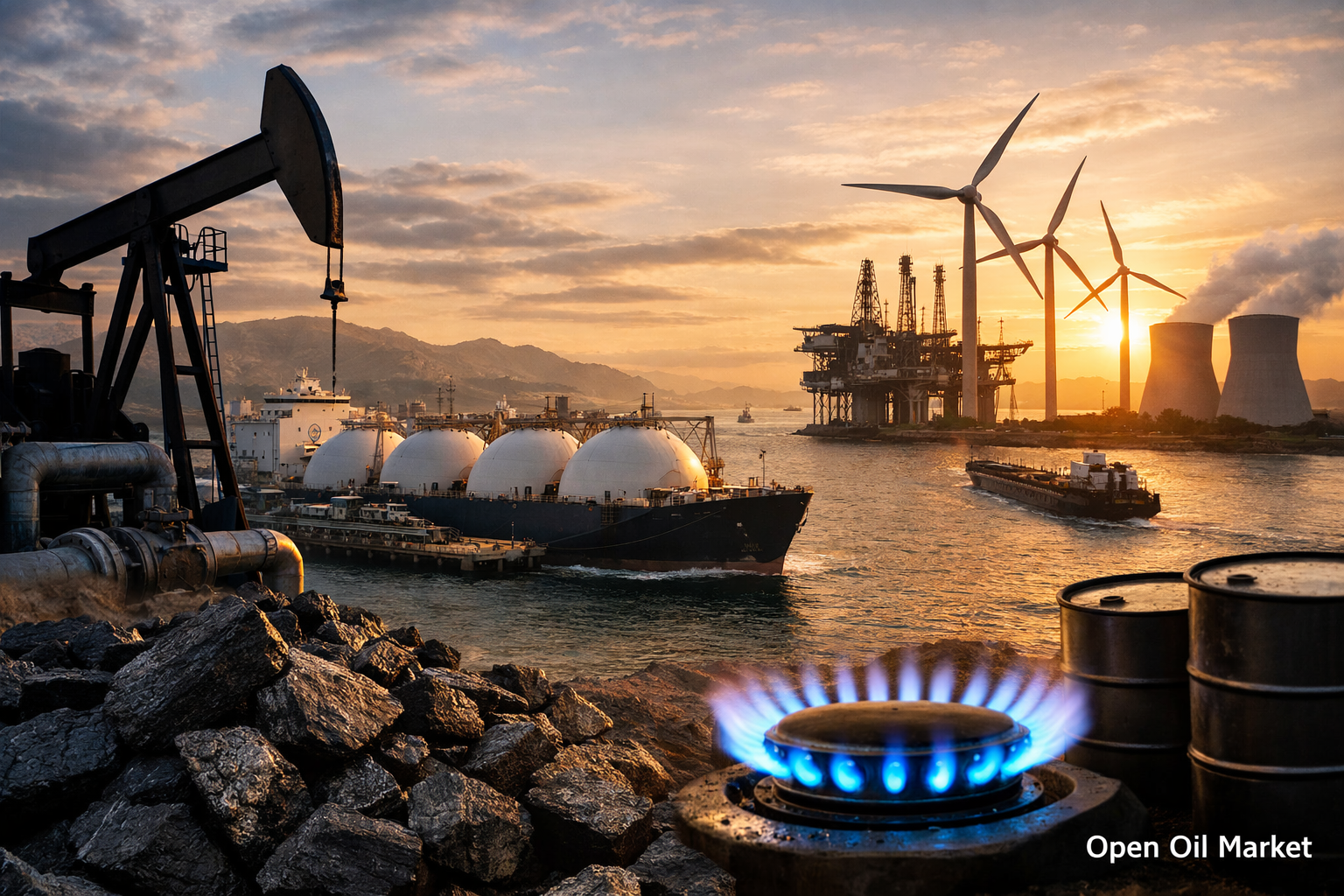
Energy and Oil & Gas News for March 18, 2026: Oil Surpasses $100, Pressure on LNG Market, Changes in Power Generation, Oil Products, and the Global Energy Sector
The global fuel and energy complex is entering a state of heightened turbulence as of March 18, 2026. For investors, oil companies, gas traders, electricity producers, refineries, and commodity market participants, the main factor remains the sharp increase in geopolitical risk premiums affecting oil, gas, and oil product prices. The oil market is once again trading not only based on fundamental demand and supply metrics but also on assessments of logistics risks, supply chain resilience, and the ability of states to quickly compensate for any lost volumes.
Concurrently, the energy landscape is showing that the crisis is no longer confined solely to oil. Pressure is extending to LNG, diesel, refining, coal, electricity, and energy market regulatory mechanisms. For the global audience, this indicates a return to the old yet crucial logic: the focus is again on the physical availability of energy resources, infrastructure resilience, and the cost of reliability in energy systems.
Oil: The Market Once Again Operates on Risk Premium Logic
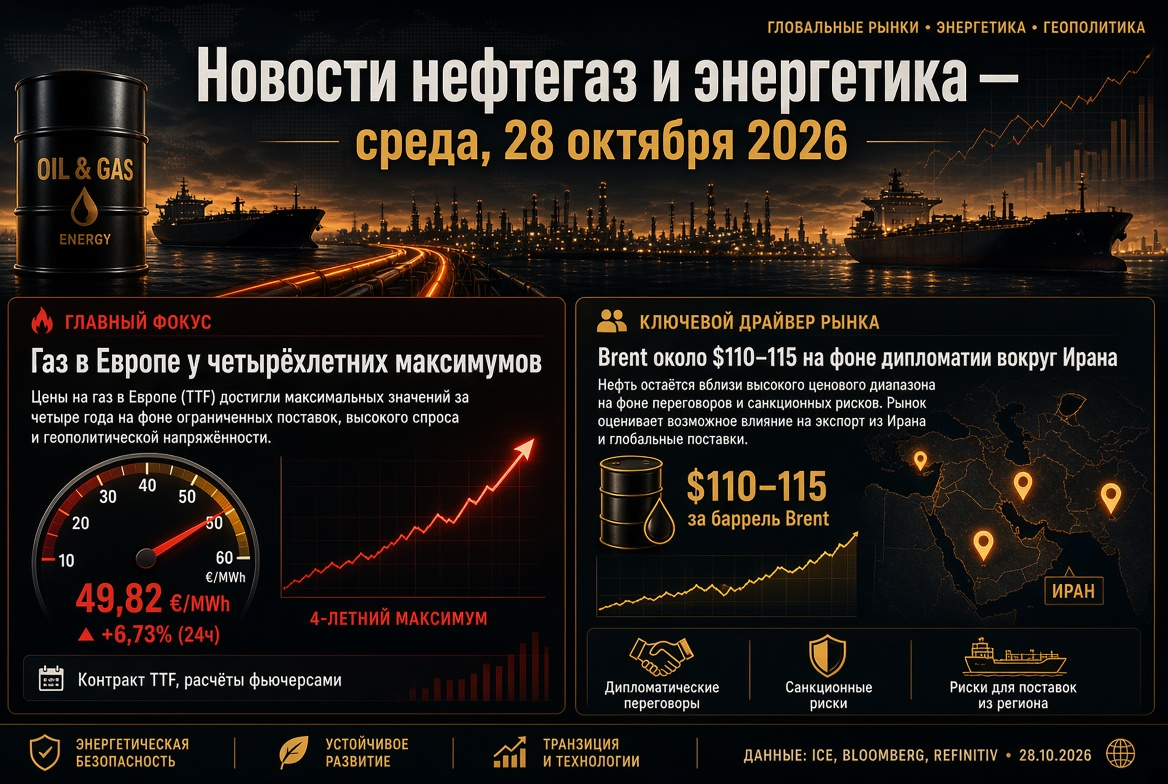
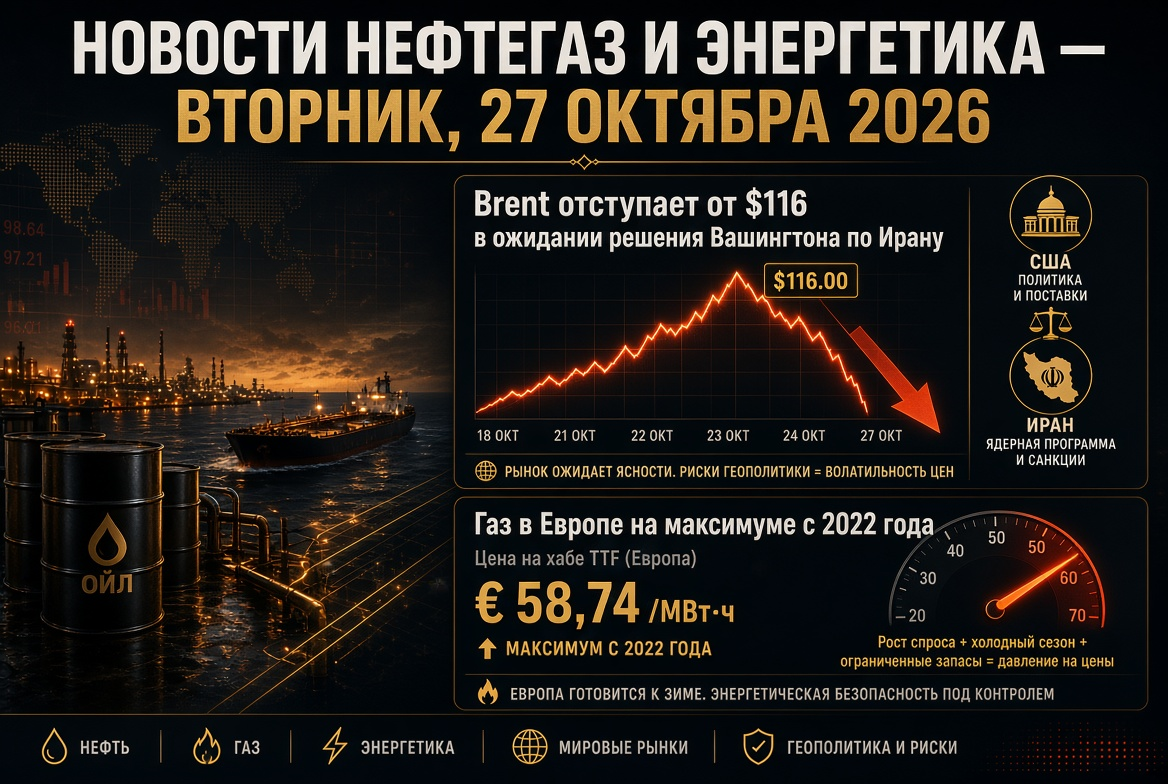
The main theme for the global oil market is the stabilization of Brent prices above a psychologically significant level and growing anxiety surrounding Middle Eastern supply chains. For the energy sector, this translates to the reality that even with reserve capacities and formal increases in production from certain producers, the market continues to factor in the risk of sudden drops in export flows.
Currently, multiple factors are defining the dynamics of the oil market:
- Geopolitical instability in key export regions;
- The threat of disruptions in marine logistics and raw material transshipment;
- Increased insurance, transportation, and trade costs;
- Revaluation of Middle Eastern oil prices;
- Heightened sensitivity of traders to any news regarding supplies.
For investors, this means that the price of a barrel now reflects not only the balance of oil on the global market but also the cost of risk. For oil companies and the commodity sector, this creates a mixed picture: upstream sectors receive support, but downstream operations and consumers are confronted with more expensive raw materials and complicated logistics.
OPEC+ and Supply: Formal Production Increases Do Not Solve Route Issues
Even with OPEC+'s decision to increase production from April, the market does not perceive this as a comprehensive solution to the problem. The reason is clear: under the high risks associated with oil transportation, merely increasing supply does not guarantee that additional barrels will reach end consumers quickly and without losses.
Important parameters for the oil market extend beyond just production volumes:
- Availability of export terminals;
- Resilience of maritime routes;
- Speed of flow redirection;
- Availability of a free tanker fleet;
- Quality of crude suitable for specific refinery configurations.
This is why even a modest increase in supply from OPEC+ does not fully alleviate the tension. For market participants, this serves as an important signal: in the coming weeks, oil prices may remain elevated even amid an officially more lenient production policy.
Gas and LNG: Tensions Rise in Both Europe and Asia
The gas market has also entered a phase of heightened nervousness. The primary risk lies in the fact that any disruption in LNG supplies quickly shocks both Europe and Asia simultaneously. Whereas market participants had previously relied on a relatively comfortable balance, competition for physical volumes has now become the key factor.
The global gas market is currently characterized by the following trends:
- Rising spot prices for LNG;
- Intensified competition between Asian and European importers;
- Increased attention to the gas storage levels in Europe;
- Heightened premiums for flexible supply;
- Reassessment of procurement strategies by energy companies and the public sector.
For Europe, this is especially sensitive, as the matter of injecting gas into storage facilities has once again become strategic. For Asia, high LNG prices impact generation, industry, and the budgets of import-dependent countries. As a result, gas, electricity, and industrial competitiveness are once again directly linked.
Electricity: High Gas Prices Renew Impacts on Energy System Costs
In the electricity market, the main conclusion is straightforward: even with the increasing share of renewable energy sources (RES), gas prices remain a major factor in determining wholesale prices in several regions. This is especially evident in Europe, where discussions on measures to curb energy costs have once again reached the political level.
For the electricity sector, this indicates that the energy transition does not negate the need for reliable base generation, reserve capacities, and developed networks. The market is increasingly segregating two issues:
- Long-term decarbonization;
- Short-term reliability of energy supply.
In the current configuration, energy systems that benefit are those with a combination of gas, nuclear generation, RES, storage, and robust network infrastructure. For investors in the electricity sector, this balance becomes the primary criterion for asset evaluation.
Refineries and Oil Products: Margins Strengthen, but Risks Increase
The refining and oil products segment is becoming one of the main beneficiaries of volatility. Heightened tensions in raw material supplies and disruptions in trade routes have already supported premiums on diesel, jet fuel, and various other products. For refineries, this creates a window of elevated profitability, but simultaneously increases operational risks.
Key implications for the oil products sector include:
- Increased costs for medium and heavy distillates;
- Rising margins for complex refineries;
- Intensified regional diesel shortages in specific market points;
- Higher logistics costs for oil product deliveries;
- Increased price pressure on transport, industry, and agriculture.
For fuel companies, this means that refinery profitability may remain high, but the sustainability of these results will depend on access to raw materials, export logistics, and the ability to quickly adapt product portfolios.
Asia: High LNG Prices Push Some Countries Back to Coal
One of the most telling trends in recent days is the increased role of coal in the energy balance of several Asian countries. When gas and LNG prices rise sharply, the electricity sector turns back to cheaper and more accessible sources. This temporarily improves energy security but complicates the climate agenda and increases pressure on coal logistics.
For the global coal market, this implies:
- Increased interest in prompt coal deliveries;
- Strengthened role of domestic coal capacities in Asia;
- Temporary shift in prioritization from decarbonization to reliability;
- Support for prices of thermal coal in the event of a protracted crisis.
For investors and participants in the energy sector, this serves as a vital indicator: during periods of stress, the world’s energy systems still depend on traditional resources, even as the strategic move progresses toward RES and low-carbon generation.
Renewable Energy and Nuclear Power: Long-term Beneficiaries of the Energy Security Crisis
Although the current crisis supports oil, gas, and coal in the short term, it enhances the positions of RES, nuclear energy, storage technologies, and network modernization in the strategic horizon. The rationale lies in the growing perception by governments and corporations that energy security is a matter of diversification, not just a question of price.
Globally, this emphasizes:
- Acceleration of projects in solar and wind energy;
- Interest in developing nuclear generation;
- Investments in networks, storage, and system flexibility;
- Localization of critical energy infrastructure.
For the global energy landscape, this creates a paradox: the current crisis supports fossil fuels in the short term, but simultaneously accelerates capital investments in alternative and more sustainable energy sources.
Implications for the Market on March 18, 2026
For the global energy sector, the current configuration signifies a transition to a state of heightened sensitivity to all news regarding supplies, inventories, logistics, and government support measures. The most likely scenario for the immediate future involves maintaining high volatility in oil, gas, oil products, and electricity.
Key takeaways for investors, oil companies, gas traders, refineries, and market participants include:
- Oil and oil products secure a stable geopolitical premium;
- Gas and LNG remain areas of heightened risk for Europe and Asia;
- Refining may show strong margins, but with high volatility;
- Coal temporarily strengthens its positions in the energy balance of certain countries;
- RES, nuclear energy, and electric networks enhance strategic attractiveness.
Therefore, on March 18, 2026, the main focus of the global energy market is not merely the rise in oil or gas prices, but a widespread reassessment of the value of reliability. In the new market reality, those who can combine access to raw materials, logistical flexibility, resilient generation, and disciplined capital investments will emerge as the winners.