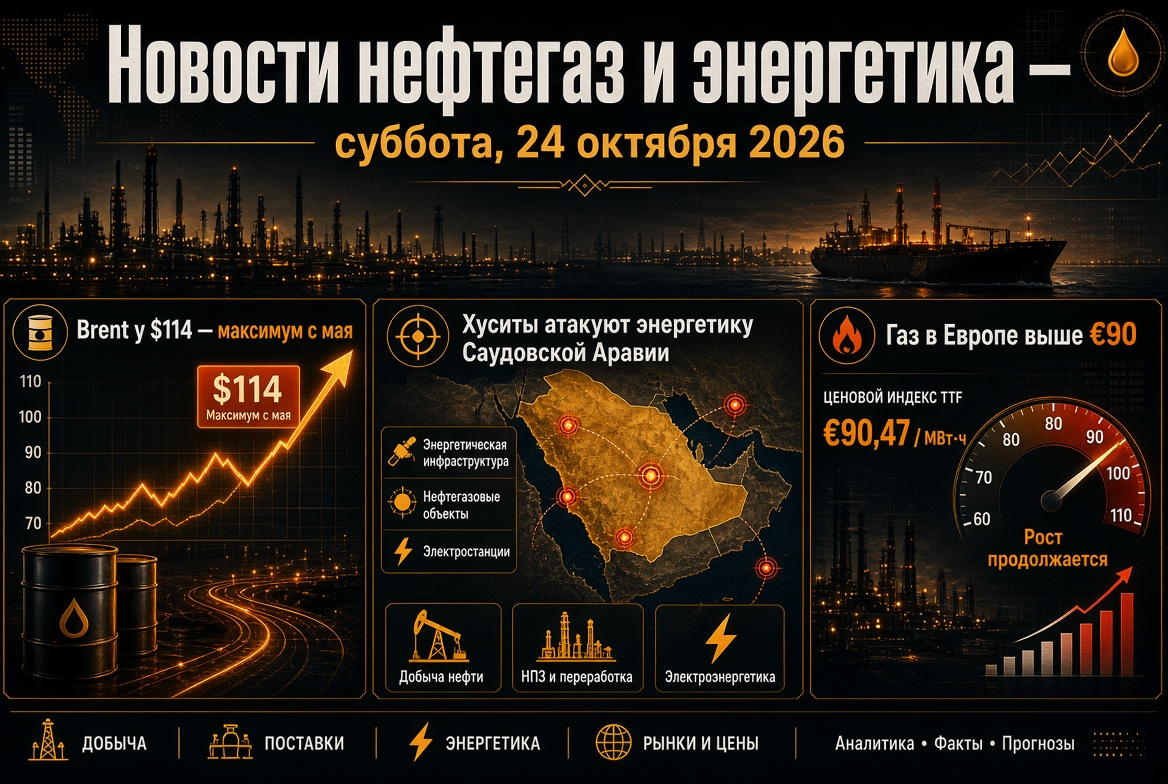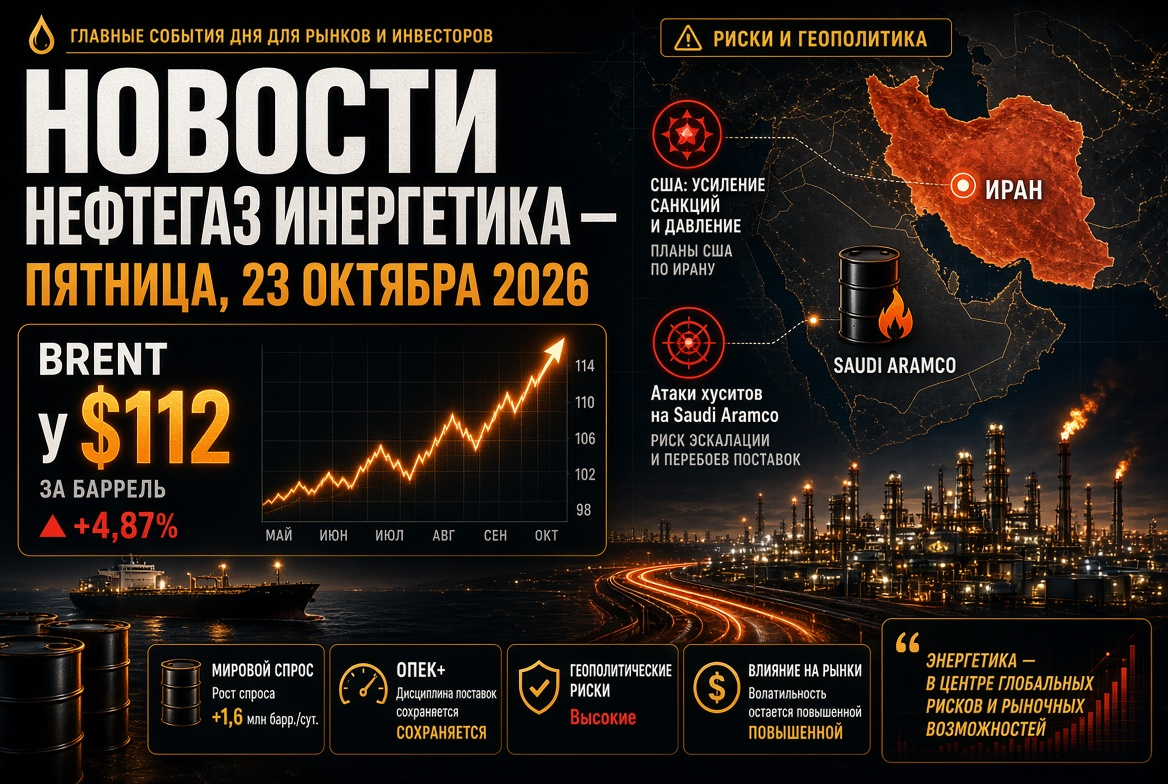
Latest Energy Sector News as of March 7, 2026: Global Oil, Gas and LNG Markets, Refining and Oil Processing Situation, Power Sector Development, Renewables, and the Coal Industry, Analysis of Key Energy Market Factors for Investors
The agenda of the fuel and energy complex as of March 7, 2026, is shaped by the intersection of two forces: the short-term geopolitical risk premium and the medium-term trend towards oversupply in certain segments. In the oil market, investors are balancing signals of increased production against fears of supply disruptions in key logistics hubs. Gas and LNG are once again at the center of attention amid supply volatility and price sensitivity to any disruptions. Simultaneously, the oil refining sector enters a season of scheduled maintenance, while the power sector increases its focus on storage and grid flexibility—transforming the economics of renewables and peak capacity.
Below is a structured overview of key events for investors and participants in the energy sector: oil, gas, LNG, oil products, refineries, electricity, renewables, and coal.
Oil Market: Rising Production vs Geopolitical Leverage
Oil prices remain “two-factor”: the fundamental balance of supply and demand is pressuring quotes, while geopolitical issues add a risk premium. The most significant signal in recent weeks has been the acceleration of supply from several producers, limiting the potential for sustained price growth without new escalation.
- Supply: the market is digesting news about production increases from certain countries, enhancing the sense of comfortable inventories of crude oil in the coming months.
- Risk Premium: any reports of tension in the Middle East instantly widen price ranges as traders hedge their supply chains and freight.
- Demand: consumption in developed economies remains sensitive to interest rates and the industrial cycle; in Asia, the recovery of the industrial and transportation sectors remains the key driver.
OPEC+ and Quota Discipline: The Market Reads “Supply Signals” Closely
For investors, it is critical not only to consider OPEC+’s formal decisions but also how quickly countries can add barrels to the market. Increases in production amid geopolitical risks are seen as demonstrating "sustaining capacity," but at the same time, they heighten expectations of a surplus in a calm scenario.
- Base Effect: increased supply reduces the likelihood of a shortage amid moderate demand growth.
- Behavioral Effect: market participants are assuming that in case of a sharp price jump, some barrels can be quickly added.
- Investment Conclusion: volatility is increasing, but the “ceiling” for prices in a calm scenario becomes more tangible.
Gas and LNG: Supply Vulnerability Raises the Price of Flexibility
LNG is once again acting as a “marginal” source, determining prices during periods of stress. For Europe and parts of Asia, the key risk is disruptions in supply or temporary outages when long-term contracts need to be replaced with pricier spot purchases. As a result, the premium for flexibility (the ability to quickly redirect cargoes) is rising.
- Europe: sensitivity to LNG news remains high, particularly when the market assesses inventory levels and the speed of replenishment of underground gas storage.
- Asia: importers with limited budgets suffer more when switching to spot purchases; this impacts both industry and generation.
- Long-Term Trend: expectations for increased global liquefaction capacities strengthen the argument for a more competitive LNG market in the coming years.
Oil Products and Refineries: Maintenance Season Alters Margin Structure
The oil product segment traditionally follows its logic: even with neutral crude prices, “cracks” for diesel, gasoline, and jet fuel can move significantly due to maintenance, logistics, and regional imbalances. In March, the focus is on the increase in scheduled maintenance volumes at refineries in several regions, which could locally support prices for products amid reduced output.
- Diesel/Gas Oil: margins are sensitive to industrial activity and seasonality, as well as to any export/import restrictions.
- Gasoline: the transition to spring-summer demand supports premiums in regions with active automotive logistics.
- For Investors: focus on companies with a high share of complex capacities (hydrocracking, cokemaking) and access to cheap feedstock—these firms are more likely to maintain EBITDA in a volatile market.
Oil and Logistics: Freight and Insurance as Hidden Drivers
Even without a formal shortage of crude, the final cost per barrel for consumers is defined by logistics. When risks on routes increase, insurance, freight, and tanker turnaround times become more expensive. This raises the effective price of deliveries and widens regional spreads.
- Key Indicator: dynamics of freight rates and insurance premiums serve as early signals of geopolitical tension increases/decreases.
- Practical Effect: rising logistics costs hit import-dependent regions and markets with strict fuel specifications harder.
Electricity: Energy Costs and Market Policy Back in the Spotlight
In the power sector, the gap between regions in terms of cost per megawatt-hour is growing—affecting the competitiveness of industries, hydrogen costs, and the pace of transport electrification. In this context, discussions about pricing rules and risk redistribution between generation, grids, and consumers intensify.
- Industrial Factor: energy-intensive sectors are seeking long-term contracts and stable tariff regimes.
- Network Factor: congestion and bottlenecks in the grid are becoming “the new oil”—creating price peaks.
- Investment Conclusion: the attractiveness of assets that provide flexibility is increasing—flexible generation, grids, storage, balancing services.
Renewables and Storage: Falling Storage Costs Strengthen Hybrid Project Economics
Renewable generation is increasingly competing not only on LCOE but also on its ability to deliver power on demand. Cheaper battery storage and hybrid “renewables + storage” schemes are shifting investor focus toward projects that monetize not only kilowatt-hours but also power/balancing services.
- What's Changing: a “pure” solar or wind station is increasingly less valuable to the grid compared to a hybrid solution.
- Who Wins: developers adept at navigating grid limitations and equipment manufacturers focused on supply chain reliability.
- Risks: regulatory frameworks for capacity markets and access to grid connections become key constraints on growth rates.
Coal: The Role of “Backup” Fuel Remains, but Prices Depend on Logistics and Policy
Coal remains an important element of the energy balance in several countries, especially during periods when gas prices rise or supply constraints arise. At the same time, the coal market is increasingly dependent on logistics, environmental requirements, and availability of financing.
- Short-Term: during gas shocks, demand for coal in generation can quickly rise.
- Medium-Term: ESG pressures and carbon mechanisms limit new investments, heightening price cyclicality.
What Should Investors Do: Checklist for the Coming Days
For the global audience of investors and participants in the energy sector, the key task in the coming week becomes managing volatility and selecting segments with the best margin protection.
- Oil: watch for news from the Middle East and signals of actual production/export levels—these will determine price ranges.
- Gas and LNG: monitor supply stability and price reaction in the spot market; importers lacking long-term contracts are vulnerable.
- Oil Products and Refineries: assess the maintenance calendar and regional shortages; local margin surges may occur.
- Electricity and Renewables: focus on flexibility projects (storage, grids, balancing)—this is the most resilient investment narrative amidst any fuel price trajectory.
The energy market enters March with heightened nervousness: geopolitics creates a risk premium, while supply offers enough to curb any “long” rallies without new shocks. For investors, a “barbell” approach appears most rational: a combination of hedging positions in traditional energy (oil/gas/refining) with targeted allocations to flexibility infrastructure (storage, grids, balancing services), where structural demand is rising regardless of short-term barrel prices.