Economic Events and Corporate Reports on Sunday, June 14, 2026: Global Market Context, Fed Expectations, MOEX, S&P 500, Euro Stoxx 50 and Nikkei 225
Sunday, June 14, 2026, finds world markets in a state of limited macroeconomic activity. For investors, this is not a day of significant publications but rather a moment to prepare for the new trading week: market participants are assessing the dynamics of the dollar, oil, bond yields, Fed expectations, corporate forecasts, and local signals from emerging markets. Economic events and corporate reports on this day serve more of a preparatory role, yet such periods often set the tone for positioning ahead of important central bank decisions and the start of a new series of corporate publications.
The main feature of Sunday is the absence of major reports from companies within the S&P 500, Euro Stoxx 50, Nikkei 225, and MOEX indices. The American, European, and Japanese markets remain outside of a full trading session, while the focus shifts to the Asian opening on Monday, the foreign exchange market, commodity quotes, and interest rate expectations. For CIS investors, the weekend trading mode on the Moscow Exchange holds additional significance: the Russian equity market and futures market continue to operate in a special format, leading to thinner liquidity and potentially sharper short-term movements.
Global Market Context Leading Up to June 14
By mid-June, the global environment remains heterogeneous. On one hand, investors continue to factor in the resilience of corporate profits in the U.S., interest in the technology sector, and investments in artificial intelligence. On the other hand, the market is increasingly attentive to inflation, Fed rhetoric, oil dynamics, and geopolitical risks.
Key factors of the day include:
- expectations regarding the further trajectory of interest rates in the U.S.;
- the dollar's and Treasury yields' reactions to Fed signals;
- the volatility of Brent and WTI oil amidst Middle Eastern risks;
- reassessments of the technology sector following the strong rise of AI company stocks;
- investor preparations for corporate reports in the upcoming week.
For the global portfolio, this indicates that Sunday should be viewed as a day for risk analysis rather than active reactions to new financial results.
Macroeconomic Calendar for Sunday, June 14, 2026
The macroeconomic calendar for June 14 appears moderate. The spotlight is on individual trade data from Israel for May. While this does not reach the significance of U.S. CPI, ECB decisions, or Chinese statistics, the indicator is important as an additional gauge of the state of regional trade, energy imports, and the resilience of the Middle Eastern economy.
Investors should consider the following developments:
- Israel: publication of trade balance, export, and import data for May;
- foreign exchange market: potential reactions of the shekel and regional currencies to foreign trade statistics;
- commodity market: attention to fuel imports and the energy component of foreign trade;
- Asia: preparations for upcoming publications from Japan, China, New Zealand, and other regional markets.
For CIS investors, these data points are indirectly significant through oil quotes, dollar liquidity, and overall risk appetite in emerging markets.
U.S.: Fed Expectations and Impact on S&P 500
The U.S. market is closed on Sunday, but the United States remains a focal point of attention. Following significant fluctuations on Wall Street, investors are gearing up for a new week, where Fed expectations, inflation, and corporate profits will play an important role. The S&P 500 index remains dependent on three factors: rates, corporate earnings, and evaluations of the technology sector.
Investors will pay particular attention to:
- the tone of Fed commentary regarding inflation and the labor market;
- the dynamics of 10-year U.S. Treasury yields;
- the resilience of demand for shares of major technology companies;
- signals about business margins amid high capital expenditure on AI infrastructure;
- the state of consumer demand ahead of the summer season.
It is essential for investors not to overestimate the calmness of the Sunday calendar: the lack of major publications does not eliminate the risk of sharp openings in futures on Monday, especially if new geopolitical or commodity signals emerge over the weekend.
Europe: Euro Stoxx 50, ECB Rates, and Industrial Cycle
The European market also does not release significant corporate reports from major Euro Stoxx 50 companies on Sunday. The main focus remains on the impacts of European Central Bank decisions, inflation dynamics, and the state of the industrial sector in Germany, France, Italy, and the Netherlands.
For European stocks, three directions are vital:
- banking sector: sensitivity to rates and credit demand;
- industry: dependence on energy prices and external demand;
- consumer sector: reaction to real income levels and inflation.
In the context of a weak calendar, Sunday becomes a day for assessing the relative attractiveness of European assets. If bond yields stabilize and the euro does not strengthen sharply, European stocks may retain investor interest from those seeking diversification beyond overheated American tech stocks.
Asia: Nikkei 225, Yen, and Expectations from the Bank of Japan
Similarly, the Japanese market has no major reports from Nikkei 225 companies on June 14. However, the Asian session on Monday will be significant for assessing risk demand. Japanese stocks remain sensitive to yen dynamics, expectations from the Bank of Japan, and global demand for semiconductors, industrial equipment, and export goods.
Key questions for investors regarding Japan include:
- whether the yen's weakness will persist as a supportive factor for exporters;
- whether investors will take profits in technology and industrial stocks;
- how the market will assess the prospects of the Bank of Japan's monetary policy;
- whether Nikkei 225 will remain attractive to global funds after strong growth in previous periods.
It is also important to monitor developments in China: even without major Sunday publications, the state of Chinese demand affects commodity markets, industrial metals, Asian currencies, and exporter stocks.
Russia and MOEX: Weekend Trading and Local Liquidity
For Russian investors, June 14, 2026, stands out as trading on the equity and futures markets of the Moscow Exchange occurs in weekend mode. This does not constitute a full trading day in the classical sense but is significant for active market participants: thin liquidity may amplify short-term movements in specific stocks and futures.
In the MOEX market, investors should pay attention to:
- shares in the oil and gas sector based on Brent and Urals dynamics;
- banks sensitive to expectations regarding the Bank of Russia's key rate;
- exporters dependent on the ruble's exchange rate and commodity prices;
- dividend stories, where attention to registers and payouts traditionally increases in summer;
- liquidity in futures on indices, currencies, and commodity assets.
For long-term investors, weekend trading should not serve as a basis for emotional decisions. A more rational approach is to use such days for portfolio review, assessing the proportion of cash, bonds, defensive stocks, and export-related securities.
Corporate Reports on June 14, 2026
Among major publicly traded companies in the U.S., Europe, Japan, and Russia, significant S&P 500, Euro Stoxx 50, Nikkei 225, and MOEX-level reports are not scheduled for Sunday, June 14, 2026. This is typical for Sundays; most issuers publish quarterly and annual results before the market opens or after closing on working days.
The outlook for significant indices is as follows:
- S&P 500: no significant reports from leading companies are expected for Sunday;
- Euro Stoxx 50: the calendar for major financial results is empty for the day;
- Nikkei 225: major Japanese issuers do not publish significant reports on this day;
- MOEX: the focus is not on reporting but on the weekend trading mode and corporate events in the coming weeks.
Meanwhile, investors should prepare in advance for the following week: the reporting calendar in the U.S. is gradually reviving, and market focus will shift to companies capable of confirming the resilience of profits, demand, and margins in the context of high capital costs.
Key Risks for Investors
Despite a calm calendar, risks for the markets remain substantial. The primary risk is a shift in rate expectations. If the market begins to price in a more hawkish Fed stance, pressure may mount on growth stocks, real estate, the debt market, and the currencies of emerging economies.
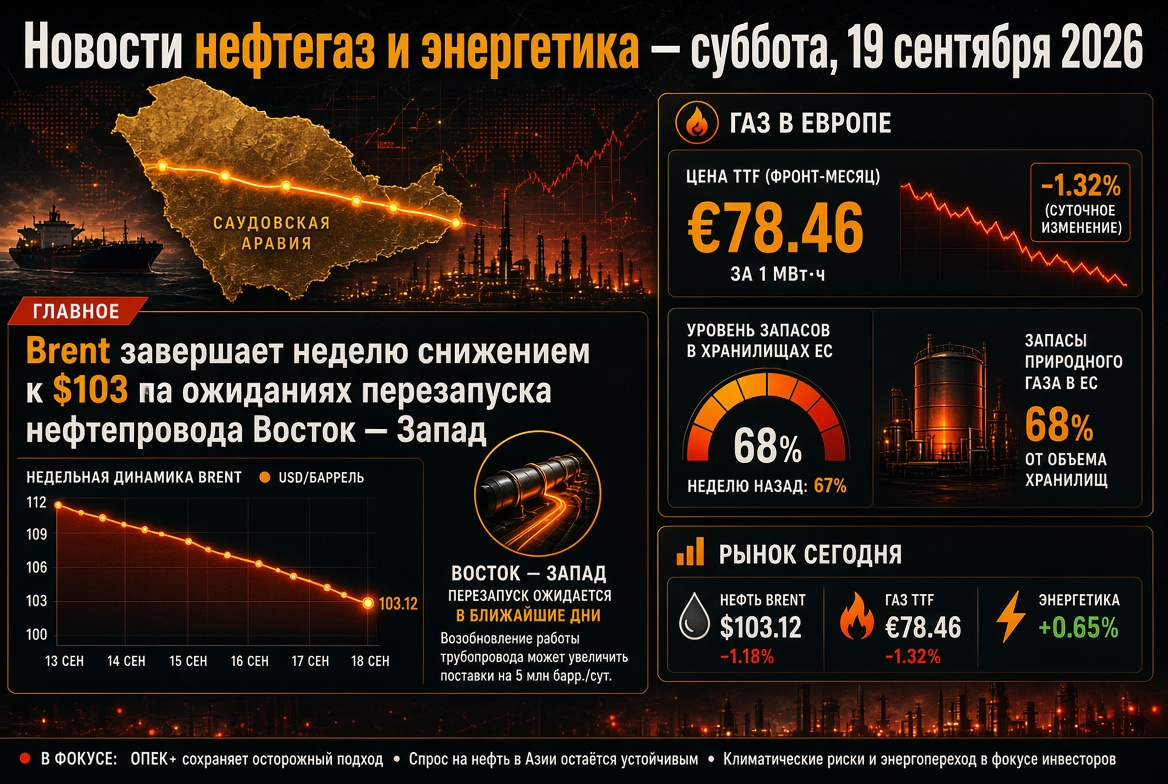
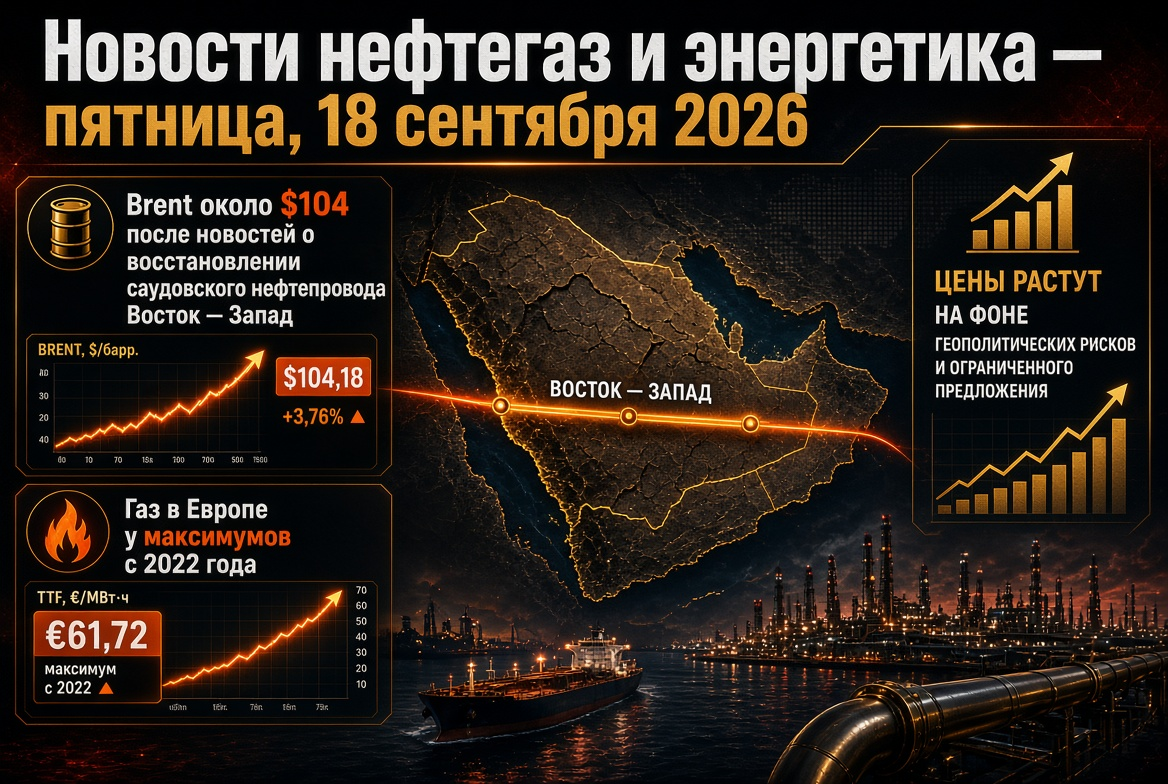
The second risk is commodity-driven. Oil remains a significant factor for inflation, transportation costs, the profits of oil and gas companies, and the budgets of exporting countries. This is particularly relevant for CIS economies: oil quotes directly influence currency expectations, export revenues, and interest in energy sector stocks.
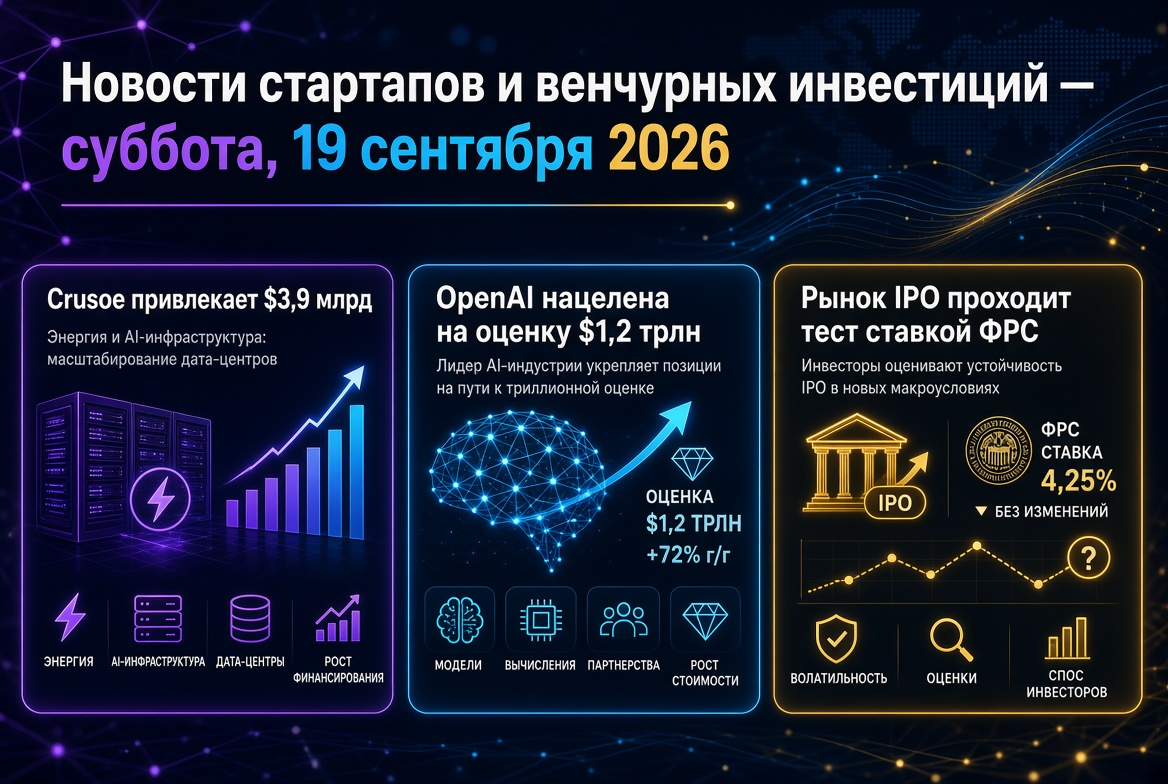
The third risk is the potential overvaluation of the technology sector. Investors continue to buy into narratives surrounding artificial intelligence, yet the market increasingly demands validation that capital expenditures are translating into sustainable profits, rather than merely elevating multiples.
What Investors Should Focus On
Sunday, June 14, 2026, is best utilized as a day to prepare for the upcoming trading week. Investor attention should be directed not at individual publications but at the overall market configuration: rates, the dollar, oil, liquidity, earnings, and geopolitics.
Practical focus for the day:
- evaluate the share of risk assets in the portfolio ahead of Fed week;
- check portfolio sensitivity to the dollar, oil, and bond yields;
- avoid making long-term decisions based on low-liquidity weekend movements;
- prepare a list of companies set to report in the following week;
- compare the potential of American, European, Asian, and Russian assets, considering current rates and corporate profits.
For CIS investors, the key takeaway from the day is that June 14 does not provide a large influx of new data, but instead forms an important pause before a busy week. In such an environment, an advantage is gained not by those who react fastest but by those who understand the risk structure in advance, maintain discipline, and prepare their portfolios for potential increases in volatility.