News in Oil and Gas and Energy for Monday, May 18, 2026: The Situation Around the Hormuz Strait, High LNG Prices, Growing Role of Coal, Pressure on Refineries and Petroleum Products, and Key Signals for Global Energy Sector Investors
Monday, May 18, 2026, begins with heightened volatility in the global oil, gas, and energy markets. The primary focus for investors, energy sector participants, fuel companies, oil firms, refineries, and traders is the ongoing tension surrounding the Hormuz Strait. This route typically accounts for a significant portion of the world's oil and liquefied natural gas, meaning any disruptions have immediate repercussions on the prices of oil, gas, petroleum products, electricity, and coal.
The market is no longer assessing energy solely through the lens of supply and demand. The focus has shifted to the resilience of supply chains, the availability of tanker fleets, refinery throughput, insurance costs, government measures to curb fuel inflation, and the power sector's ability to swiftly substitute expensive gas with coal, nuclear generation, and renewable energy sources (RES).
Oil: Brent and WTI Remain Under Geopolitical Pressure
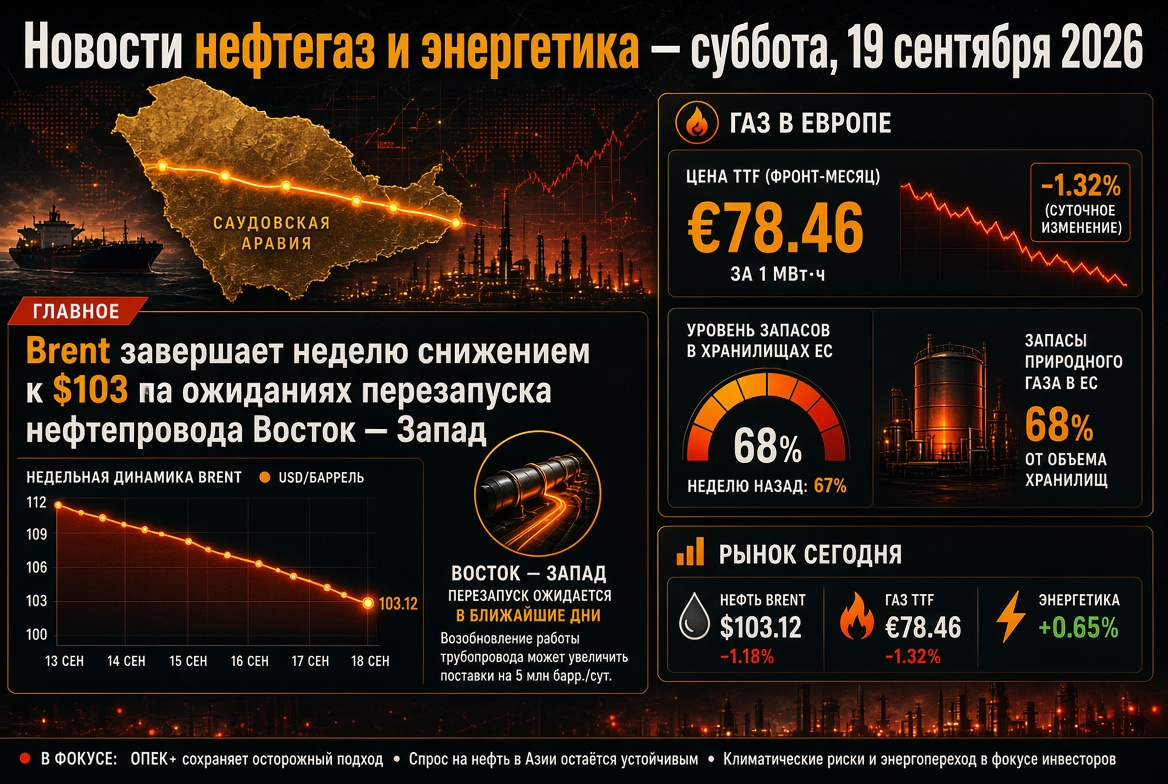
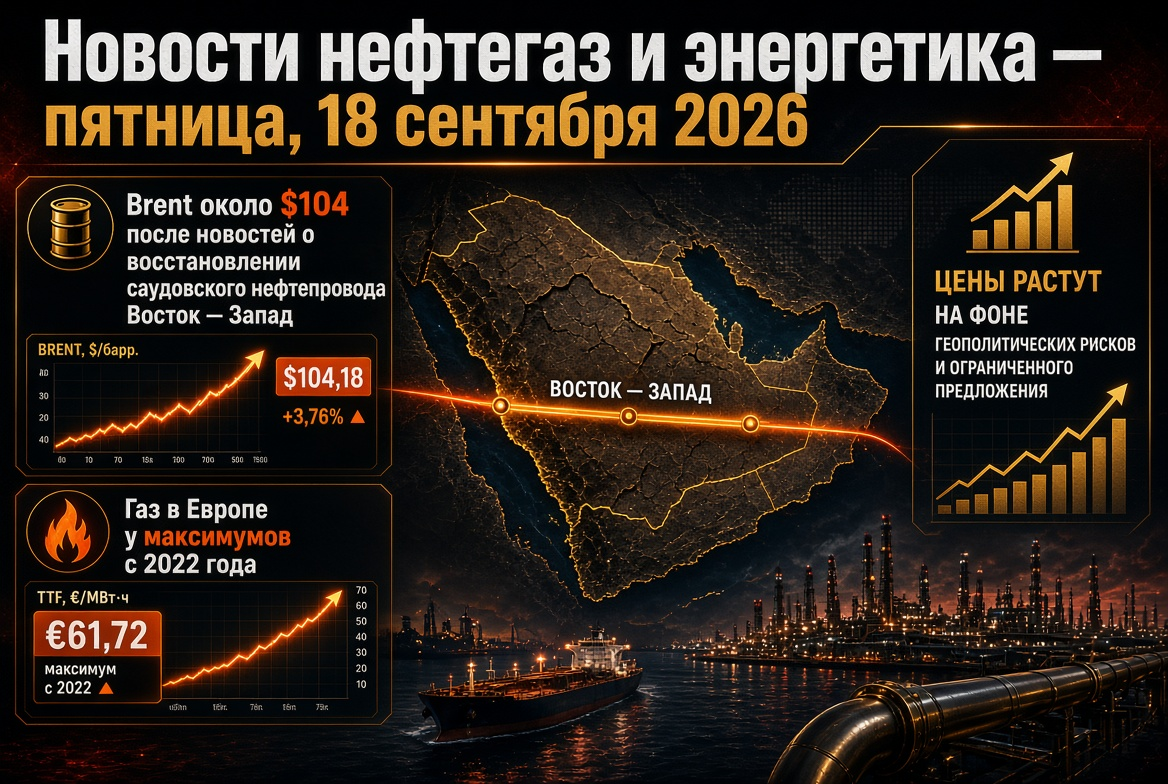
As the week begins, the oil market is approaching after a sharp rise in prices. Brent has firmly settled above the psychologically significant $100 per barrel mark, while WTI is also trading at elevated levels. For investors, this signifies that oil has once again transformed into a raw material asset and an indicator of global political risk.
The main issue remains the uncertainty surrounding physical flows through the Hormuz Strait. Even a partial recovery of vessel passage does not alleviate the tension: the market is evaluating not only the current volume of supplies but also the risks of renewed attacks, delays, increased insurance premiums, and logistical disruptions.
- For oil companies, high prices support cash flows but heighten political pressure on the sector.
- For refineries, expensive oil increases the risk of margin compression, especially if fuel demand begins to decline.
- For petroleum product consumers, there remains a risk of rising prices for gasoline, diesel, and aviation fuel.
Oil Demand: The Market Balances Between Shortage and Demand Destruction
High prices are already beginning to alter the demand structure. Signs of fuel conservation are emerging in industry, petrochemicals, and aviation, with some buyers postponing purchases. This is particularly crucial for assessing the mid-term dynamics of oil: if the geopolitical shock persists, the market may face a simultaneous physical raw material shortage and a decrease in end consumption.
For the global energy sector, this creates a complex situation. On one hand, supply disruptions support prices. On the other hand, overly expensive oil exerts pressure on the economy, transportation, petrochemicals, and consumer demand. Therefore, Monday may be marked by nervous trading: any signals regarding negotiations will weigh on prices, while reports of new attacks or vessel delays will support upward trends.
Gas and LNG: Asia and Europe Compete for Limited Volumes
The gas market remains one of the most sensitive segments of the energy sector. High LNG prices have arisen not only from seasonal demand but also from supply disruptions stemming from the Middle East. For Asia, this situation is particularly painful: Japan, South Korea, India, and Southeast Asian countries depend on maritime gas supplies and are forced to compete with Europe for available cargoes.
The rise in LNG prices is altering the economics of electricity generation. Gas generation is becoming less attractive, prompting energy companies to revert to coal plants wherever technically and regulatory feasible. For Europe, the situation is more complex: a developed RES market, carbon regulation, and a high share of gas imports limit the immediate transition to coal, but increase demand for flexibility in energy systems.
Coal: Energy Security Takes Precedence Over Climate Agenda
One of the key trends of the week is the return of coal to the center of the energy agenda. In Asia, coal generation is rising as a hedge against expensive LNG. For the electricity sector, this is a pragmatic choice: coal supply chains are less affected by the Hormuz Strait, and fuel reserves allow quicker responses to energy system needs during peak demand periods.
This shift does not negate the long-term growth of RES but illustrates the limits of the energy transition. When gas becomes prohibitively expensive or inaccessible, governments and energy companies prioritize reliability. For investors, this indicates that coal assets, logistics, port infrastructure, and equipment suppliers for thermal generation may experience temporary reevaluation.
Petroleum Products and Refineries: Margins Depend on Diesel, Biofuels, and Supply Stability
The petroleum products sector is emerging as a distinct source of risk for the global market. Diesel, gasoline, jet fuel, and petrochemical feedstock are not always rising in tandem with oil prices. This creates a challenging environment for refineries: processors can benefit from fuel shortages but suffer from high raw material costs and supply disruptions.
In the US, additional support for processors comes from biofuel mandates and rising diesel prices. Producers of renewable diesel and ethanol are experiencing stronger demand; however, the long-term sustainability of this trend depends on raw material prices, the availability of vegetable oils, and regulatory policies.
- Refineries with flexible configurations gain an advantage in an unstable market.
- Diesel producers benefit from shortages but face political pressure due to inflation.
- Biofuels are becoming not only an environmental but also a commercial tool for processors.
Electricity and RES: Solar Generation Is Rising, but Grids Are Becoming a Bottleneck
Against the backdrop of expensive gas and coal, RES retain strategic significance. In Europe, solar generation is already posing new challenges for energy systems: during periods of high output, grids are confronted with excess electricity, negative prices, and the necessity to limit production. Germany exemplifies that rapid growth in solar energy requires not only new panels but also investments in storage, digital network management, and flexible generation.
For investors in the electricity sector, the key is not merely the growth of RES but the quality of the infrastructure. Companies linked to grids, energy storage systems, balancing capacities, transformers, cable products, and demand management stand to benefit.
Corporate Agenda: Consolidation in Electricity and New Pipeline Projects
At the corporate level, the market is closely monitoring significant deals in electricity and infrastructure. In the US, the growing demand for electricity from data centers, artificial intelligence, industry, and transportation electrification is intensifying interest in large energy companies. Potential consolidation of major utility assets indicates that electricity is becoming one of the main investment focuses of the decade.
In Canada, discussions are drawing attention regarding a new pipeline to transport crude from Alberta to the coast. For the global oil market, this represents an important signal: producing countries are striving to diversify export routes and reduce dependence on limited infrastructure. However, such projects will rely on carbon regulations, environmental requirements, consultations with local communities, and capital expenses.
What to Monitor for Investors on May 18
On Monday, energy market participants should pay attention to several factors that could set the direction for oil, gas, electricity, coal, RES, and petroleum products for the entire week.
- The situation around the Hormuz Strait: Any data regarding the passage of tankers and LNG vessels will directly impact Brent, WTI, and gas quotes.
- LNG prices in Asia and Europe: A rise in spot prices will intensify the transition of some energy systems to coal.
- Refinery margins: Diesel, gasoline, jet fuel, and petrochemical feedstock are particularly important.
- Government measures against fuel inflation: Tax incentives and subsidies may cushion the blow for consumers but worsen budgetary performance.
- Dynamics of RES and grid infrastructure: Although solar and wind energy are growing, without storage and grid investments, they create new imbalances.
Conclusion: The Energy Market Remains Expensive, Nervous, and Increasingly Fragmented
The main takeaway for Monday, May 18, 2026, is that the global energy sector is entering the week with a high geopolitical premium, expensive LNG, resilient coal demand, and an increasing role for electricity. Oil remains the central risk indicator but is no longer the only one. Gas, refineries, petroleum products, RES, coal, and electricity networks are becoming equally important elements of the investment landscape.
For investors and energy market participants, this signifies the need to look beyond just the price of Brent. Supply routes, processing resilience, the capacity of energy systems to balance demand, government policies, and the pace of transition to new generation sources are critical. In an unstable environment, it is not the cheapest but the most flexible energy models that will prevail.