The Global Energy Sector Enters May with High Volatility: Oil, Gas, Petroleum Products, Electricity, Renewable Energy, and Coal Become Key Indicators of the Global Economy, Friday, May 1, 2026
As of May 1, 2026, the global fuel and energy sector is in one of its most intense phases in recent years. Investors, oil companies, fuel traders, refineries, gas market players, electricity producers, renewable energy firms, and coal market participants are assessing not only raw material prices but also the resilience of the entire energy infrastructure. The main factor of the day is the persistent risks of supply disruptions through the Middle East, which have heightened oil volatility, altered LNG balances, and supported refining margins.
The energy market is once again demonstrating that energy is not only an industry for resource production but also a foundation for global inflation, industrial activity, transportation, logistics, and investment decisions. For global investors, the current agenda is significant across several areas: the dynamics of Brent and WTI, the resilience of OPEC+, gas prices in Europe and Asia, petroleum product shortages, electricity demand, the development of renewable energy, and the role of coal in ensuring base load generation.
Oil: The Market Remains Under Geopolitical Premium Influence
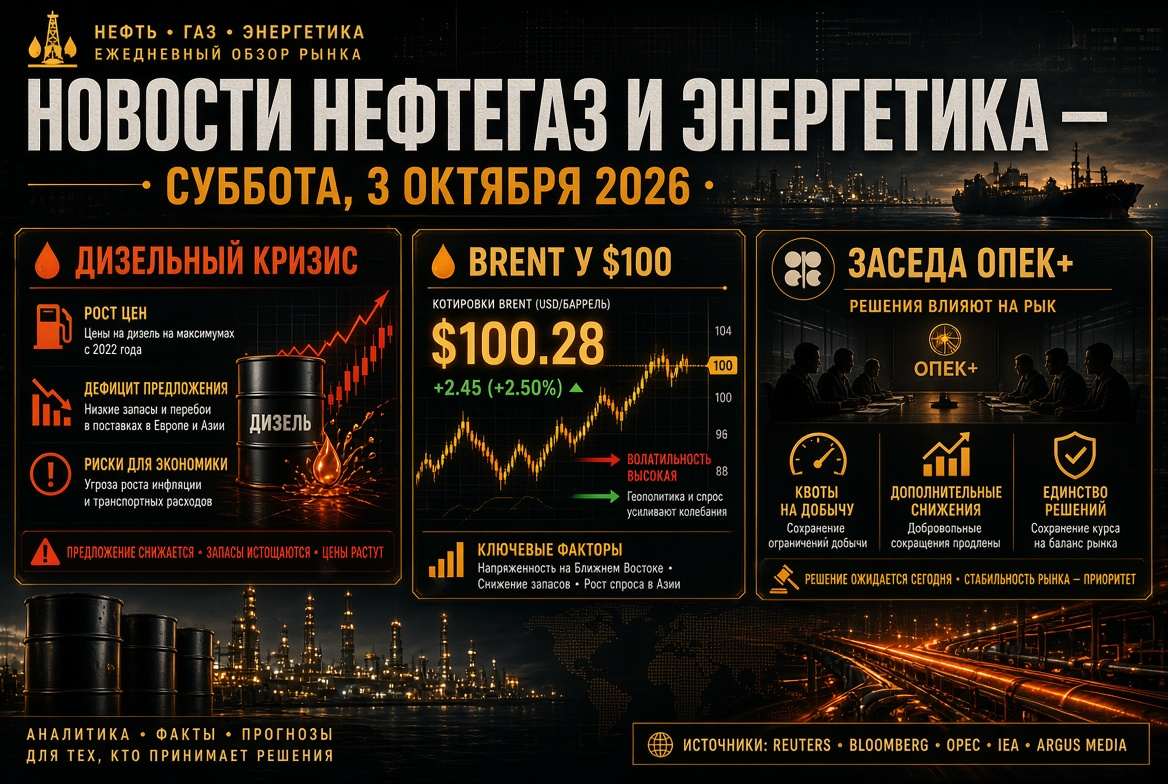
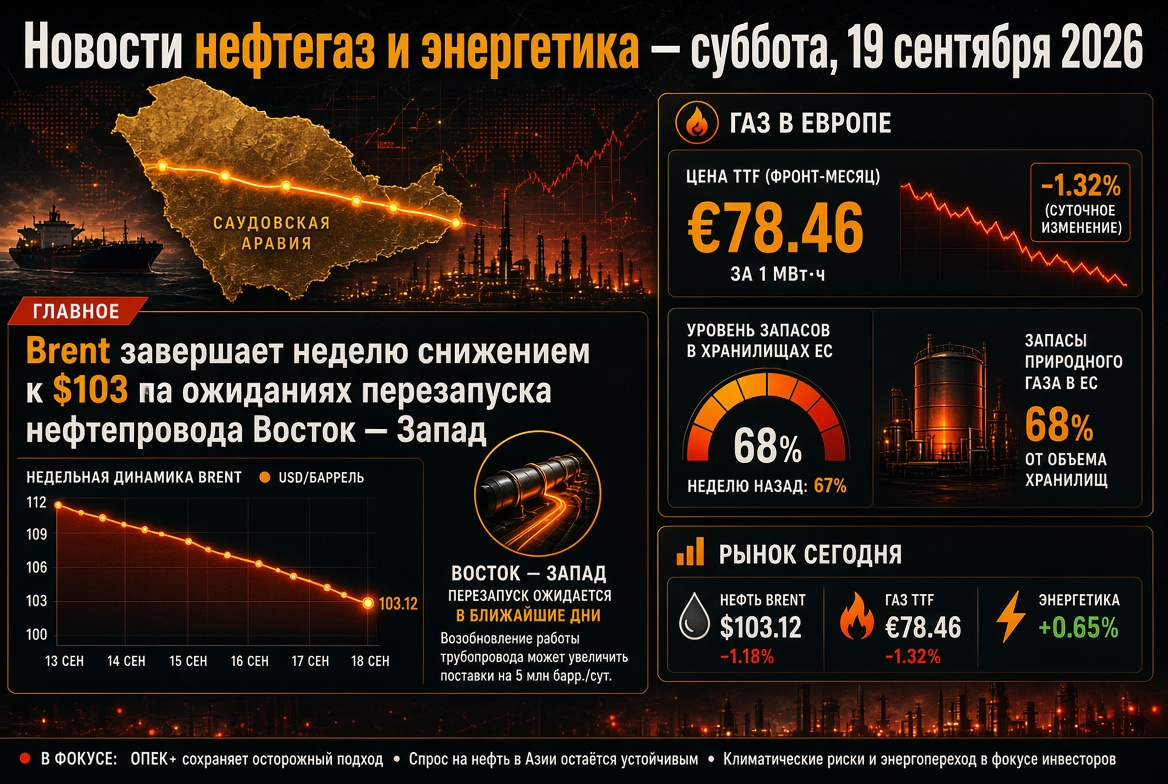
The oil market completed April and entered May in a state of heightened nervousness. After a sharp spike in Brent prices above multi-year highs, the market has partially corrected; however, the price structure remains tense. For participants in the energy sector, this means that oil is no longer trading solely based on demand and inventory expectations: a significant geopolitical premium is once again factored into the prices.
Key factors for the oil market include:
- Risks of supply disruptions of crude and petroleum products through the Middle East;
- Uncertainty surrounding transport routes and tanker insurance;
- Expectations for OPEC+ production decisions in June;
- Rising fuel costs for aviation, transportation, and industry;
- Concerns that high oil prices may start to pressure consumption and economic growth.
For oil companies, high prices support cash flows, but for the global economy, this creates a risk of a new inflationary impulse. If oil remains at elevated levels, pressure on transportation, the chemical industry, agriculture, and consumer prices will intensify.
OPEC+ and Supply Balance: The Market Awaits Signals on June Quotas
OPEC+ remains one of the central elements of the global oil and gas agenda. Despite tensions within the alliance and changes in its membership, the market assumes that the production coordination mechanism will be maintained. Potential increases in quotas for June are perceived by investors more as a political and technical signal rather than an immediate solution to the physical supply shortage.
For the oil market, three scenarios are important:
- Base Scenario: OPEC+ cautiously increases quotas, but actual supplies remain limited by logistics and geopolitics.
- Bullish Scenario: Disruptions last longer than expected, Brent remains at high levels, and petroleum products increase in price faster than crude.
- Bearish Scenario: Transport routes stabilize, supply recovers, and demand starts to decline due to high prices.
For energy sector investors, the main question is not only the volume of announced quotas but also the ability of producers to actually deliver oil to the market. The physical availability of barrels is now more important than formal production targets.
Gas and LNG: Europe and Asia Compete for Flexible Supplies
The gas market also remains in focus. Rising LNG prices and the widening spread between the American Henry Hub, European hubs, and Asian import markets demonstrate how sensitive the global gas system has become to maritime logistics disruptions. For Europe, natural gas remains a critically important resource for industries, heating, and electricity balancing.
The demand for LNG is supported by several factors:
- Europe is striving to ensure supplies before the next heating season;
- Asia competes for LNG cargoes amid industrial demand and weather risks;
- Energy companies use gas as a reserve for energy systems with a high share of renewable energy;
- Fertilizer and chemical producers are sensitive to rising gas prices as a raw material.
For gas companies and LNG exporters, the current situation creates a window of high prices. For consumers, however, this means rising costs, risks of decreasing margins, and increased pressure on state budgets through subsidies and support measures.
Refineries and Petroleum Products: Refining Becomes the Main Beneficiary of Shortages
The role of refineries in the petroleum products market has noticeably increased. Diesel, gasoline, and jet fuel are rising in price more rapidly than usual as supply disruptions affect not only crude but also finished fuel. The aviation fuel segment remains particularly sensitive: transport restrictions and shortages of specific flows are driving up kerosene premiums in Europe and Asia.
For oil refineries, this creates an ambiguous picture. On the one hand, strong crack spreads enhance refining profitability. On the other hand, raw material costs, logistics, insurance, regulatory constraints, and potential government interventions increase operational risks.
Key trends in petroleum products include:
- Refining margins in the U.S. remain strong due to demand for fuel exports;
- European refineries face higher raw material costs and competition for supplies;
- Diesel and jet fuel remain the most sensitive to disruptions;
- Governments may expand tax incentives and fuel subsidies to contain inflation.
Electricity: Demand Grows Due to Climate, Industry, and Data Centers
The global electricity market is becoming increasingly dependent on new consumption centers. In addition to industries and households, data centers and artificial intelligence are becoming powerful drivers. For the energy sector, this translates into increased base demand, higher load on networks, and growing interest in gas generation, nuclear energy, storage solutions, and long-term renewable energy contracts.
Electricity is turning into a distinct investment class within the energy sector. In the past, investors primarily assessed oil and gas extraction; now, there is increasing attention on networks, transformers, generation, storage, data centers, and the flexibility of energy systems.
For countries with rapidly growing electricity demand, three key tasks remain: to ensure sufficient generation, modernize networks, and prevent sharp tariff increases for industries and households.
Renewable Energy and Energy Transition: Acceleration Amid High Hydrocarbon Prices
The rise in oil and gas prices paradoxically enhances interest in renewable energy. Solar power, wind projects, battery storage, and distributed generation are becoming not only climate-friendly but also energy-secure solutions. For many countries, renewable energy is a way to reduce dependence on imported fuels and lessen vulnerability to geopolitical shocks.
However, the rapid growth of renewable energy does not eliminate the need for backup generation. Solar and wind generation require balancing, which means gas, hydropower, nuclear plants, storage solutions, and demand response are becoming integral to a unified energy system model. Investors are increasingly assessing not just individual renewable energy projects but the entire chain: generation, storage, networking, forecasting, load management, and corporate power purchase agreements.
Coal: Declining Long-Term Role, But Short-Term Importance Remains
Despite the global energy transition, coal remains an important element of the global electricity sector. In Asian countries, coal generation continues to provide a significant portion of base load, especially during hot periods, rising industrial demand, and limited access to gas. This makes coal a controversial but still strategic resource.
For investors, it is essential to differentiate between long-term and short-term horizons. In the long term, coal's share in the global energy balance will decline due to climate policy pressures and the growth of renewable energy. However, in the short term, coal remains a hedging resource for energy systems, especially where networks and storage solutions are not yet ready to replace traditional generation.
What is Important for Investors and Participants in the Energy Market
Friday, May 1, 2026, forms several practical conclusions for the global energy sector. First, oil and petroleum products remain most sensitive to geopolitical factors. Second, gas and LNG are once again becoming indicators of energy security for Europe and Asia. Third, refineries are benefiting from high margins but facing increasing political and logistical risks. Fourth, electricity, renewable energy, networks, and storage solutions are emerging as one of the main investment segments of the decade.
In the coming days, market participants should monitor:
- Dynamics of Brent and WTI after sharp intraday fluctuations;
- OPEC+ decisions regarding production and comments from major producers;
- Cost of LNG in Europe and Asia;
- Refinery margins for diesel, gasoline, and jet fuel;
- Government measures to contain fuel prices;
- Electricity demand from industries and data centers;
- New investments in renewable energy, networks, and energy storage systems.
The main takeaway for a global audience of investors is that the world energy sector enters May not as a calm raw materials sector but as a complex system of interconnected markets. Oil, gas, petroleum products, refineries, electricity, renewable energy, and coal are influenced by a shared factor—the struggle for reliable supply amidst geopolitical instability and growing energy consumption. In this environment, companies with flexible logistics, strong balance sheets, access to infrastructure, and the ability to profit not only from extraction but also from refining, trading, generation, and energy system management gain a competitive advantage.