Current Oil and Gas and Energy News on February 28, 2026: Oil Market Dynamics and OPEC+ Decisions, Gas and LNG Market Situations, Electricity and Renewables, Coal, Petroleum Products, and Refineries. A Global Overview for Investors and Industry Participants.
The global energy market enters the weekend with heightened volatility: oil maintains its "geopolitical premium" amid tensions in the Middle East and expectations regarding OPEC+ decisions, while gas and electricity markets balance between weather factors, LNG volumes, and generation status. Meanwhile, petroleum products and refineries are signalling an approaching seasonal demand shift. The key question for investors and industry participants in the upcoming days is whether the risk premium in oil will persist and how quickly supply flows of raw materials and fuels will be redistributed among regions.
Oil: Prices Hold Steady Amid Risk Premiums and Supply Expectations
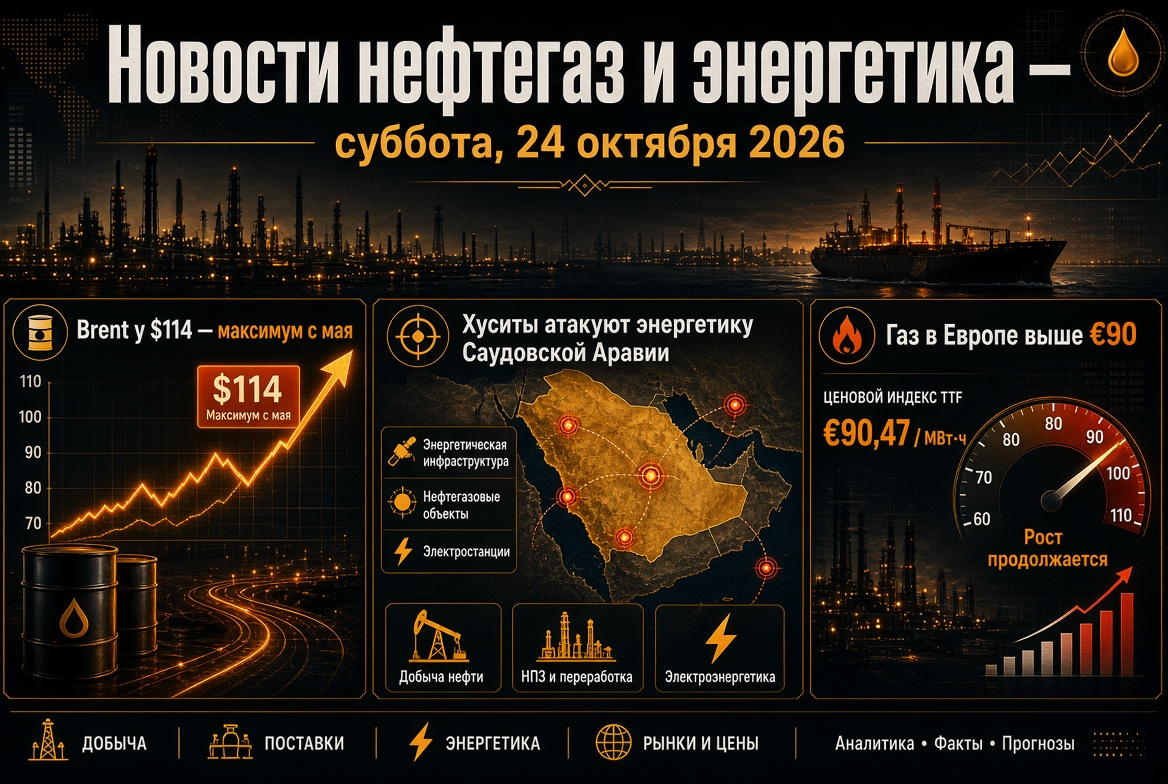
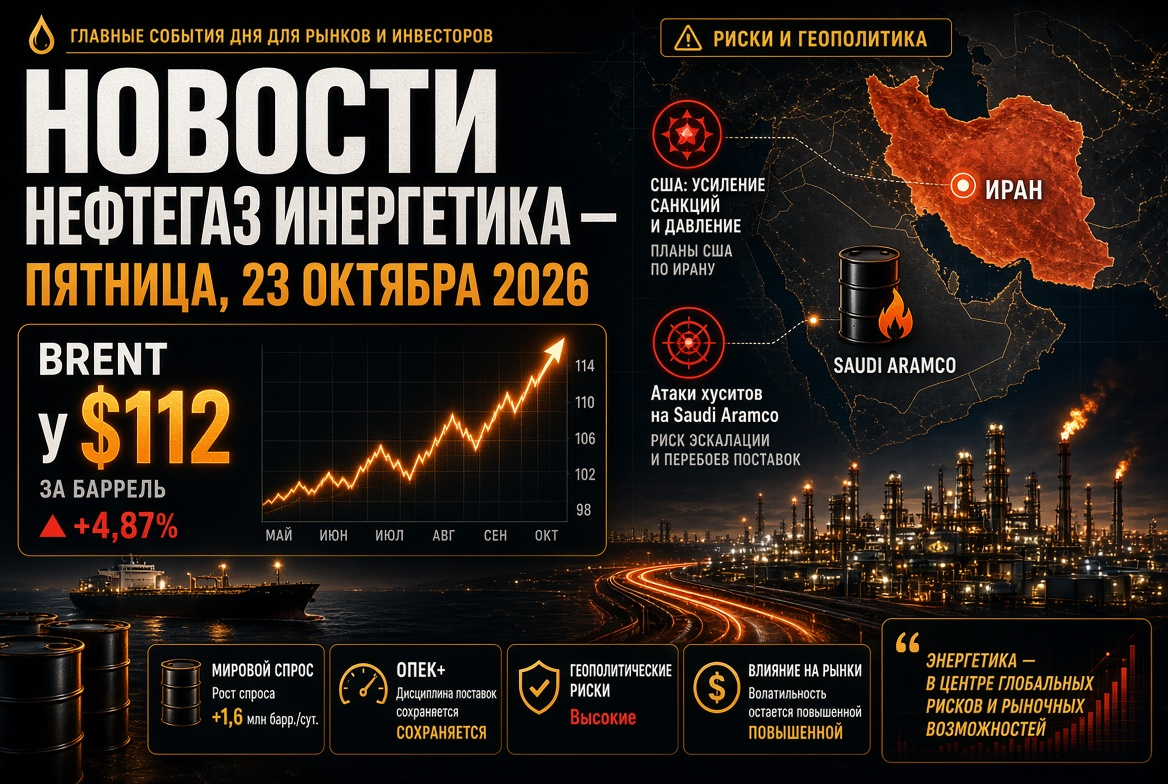
Oil prices concluded the week with a noticeable increase, reflecting a reassessment of supply risks through key maritime routes and the likelihood of short-term export disruptions from the Persian Gulf region. The market is pricing in scenarios where physical flows might be "restructured" (redirected shipments, rising spot premiums, increased freight rates) even before actual supply constraints are enacted. In such conditions, spreads and differentials among oil varieties become as important as the futures themselves: participants are monitoring premiums of Middle Eastern benchmark grades and demand stability in Asia with particular care.
- Drivers: geopolitics of the Middle East, OPEC+ production expectations, demand dynamics in Asia, signals regarding US inventories.
- Risks: rapid return of "excess supply" upon de-escalation, intensified market share competition.
OPEC+: The Market Awaits "Fine Tuning" of Quotas and Signals for Spring
The focus is on the potential return to moderate production increases by key OPEC+ participants. The "small step" scenario is perceived as a compromise: on one hand, it helps maintain market share amid competition and possible summer demand growth, while on the other, it does not overload the balance amidst risks of a global economic slowdown. Investors are evaluating the likelihood of expedited decisions in the case of a sharp escalation in geopolitics: in such a configuration, both official quotas and the actual capacity to quickly ramp up export shipments are crucial.
- Base Scenario: cautious production increase from April while maintaining "market manageability".
- Alternative: retention of restrictions amid declining demand or rising inventories.
- Stress Scenario: short-term supply increases by certain producers to offset potential disruptions.
The USA: Inventories, Production, and Refineries — Signals of Raw Material and Fuel Balance
American statistics on the oil balance indicate that significant weekly fluctuations on the raw material side may occur: a rise in commercial inventories may correlate with a decrease in refinery throughput and changes in imports. For the global energy market, this means that even with rising oil inventories in the USA, the situation with petroleum products (gasoline, diesel, jet fuel) can remain more "stressed" due to processing limitations and seasonal demand dynamics. Participants are also paying close attention to refining margins and spreads on products, as these set the incentive for refineries to increase throughput.
- What to Watch for Investors: trends in gasoline and distillate inventories, refinery utilization, raw material and petroleum product imports.
- Market Conclusion: a rise in oil inventories is not inherently "bearish" if the petroleum product market remains tight.
Gas and LNG: Europe, Asia, and Competition for Molecules
The gas market continues to operate within a regional competition framework. Europe enters the end of winter with heightened sensitivity to weather and supply stability, while the role of LNG remains critical: increased volumes at terminals and supply flexibility are dampening price spikes. In Asia, demand for LNG is traditionally supported by seasonal factors and electricity needs, while the dynamics of spot quotes reflect competition for "quick" shipments. This creates divergent effects for portfolios in the energy sector: gas producers and LNG projects benefit from steady demand, while energy-intensive industries profit from periods of price retreats.
- Europe: focus on storage levels in underground gas storage, weather, and the availability of Norwegian and LNG supplies.
- Asia: demand from the energy and industrial sectors, sensitivity to freight and spot premiums.
- The USA: balance of domestic demand, LNG exports, and weather surprises affecting Henry Hub.
Electricity and Renewables: Volatility Due to Wind, Temperature, and Generation Availability
Electricity markets remain jittery in regions where balance relies on weather-dependent generation and limited system maneuverability. During periods of reduced wind generation and rising consumption, the role of gas generation increases, directly linking electricity prices to gas quotes and carbon costs. Concurrently, spikes in wind and high output from renewables can sharply "bring down" spot prices in specific markets. For the global energy market, this means that investment stories in renewables increasingly depend on the quality of grids, storage, flexible capacities, and power market rules.
- Focus of the Week: weather forecasts, inter-system transfer loads, availability of nuclear power plants and gas generation.
- Practice for Companies: hedging electricity and gas, managing load profiles, contracting renewables.
Coal and Carbon: Renewed Interest in Coal and Price Anchors for Energy Balance
Coal remains a significant component of the energy balance in many regions, especially when gas is expensive or scarce, and demand for electricity is high. Prices for thermal coal are supported by a combination of seasonal demand and logistical constraints, as well as competition between Atlantic and Pacific markets. Concurrently, carbon markets in Europe react to the dynamics of renewable generation output and gas-burning: an increase in the share of wind and solar decreases the need for quotas for thermal generation, creating "windows" for adjustment. Consequently, coal and carbon become part of a single equation, influencing energy companies' decisions regarding fuel mix.
- Coal: price support amid strong demand and supply constraints.
- Carbon: sensitivity to wind, electricity demand, and generation structure.
- Conclusion: coal remains a backup anchor for energy security where renewable infrastructure and networks are not yet completed.
Petroleum Products and Refineries: Margins, Seasonality, and Disruption Risks
The petroleum products segment is gradually shifting focus from winter distillates to preparation for spring-summer demand for gasoline and jet fuel. In this context, two factors are critical: scheduled refinery maintenance and logistical stability (shipping, bottlenecks in channels, freight). Even with relatively balanced oil, local fuel shortages can create price spikes in specific markets. For oil companies and traders, this underscores the increased importance of managing product portfolios, optimizing refining, and ensuring access to flexible logistics.
- What Matters to the Market: refinery maintenance schedules, diesel and gasoline export flows, aviation demand.
- Global Effect: shortages of petroleum products can support oil prices even amidst rising raw material inventories.
What This Means for Investors and Industry Participants in the Energy Sector: A Checklist for the Next 24-72 Hours
In the next 24-72 hours, key decisions and publications can swiftly shift expectations regarding oil, gas, and electricity. Strategically, the energy market remains in a "risk reassessment" mode: geopolitics shapes the premium in oil, OPEC+ outlines the supply framework, and weather factors and renewables determine the volatility of gas and electricity. In such an environment, those who effectively manage risks and have access to physical flows stand to gain.
- Oil: monitor news relating to the Middle East and comments prior to OPEC+ decisions; assess differentials between grades and spreads.
- Gas and LNG: monitor weather models in Europe and North America, extraction/injection rates in underground storage, and spot dynamics in Asia.
- Electricity and Renewables: watch wind and temperature forecasts, availability of base generation, and grid limitations.
- Coal and Petroleum Products: check logistics news, refinery maintenance, and refining margins.
Saturday, February 28, 2026, is marked by an "uncertainty premium" in oil and a high sensitivity of the energy sector to weather and infrastructure. For global energy sector portfolios, the optimal strategy appears to be a combination of risk discipline, focus on flows (not just prices), and prioritizing companies with strong logistics, resilient refining capabilities, and competitive extraction costs.