Oil and Gas and Energy News for Thursday, June 11, 2026: Rising Oil Prices Due to Risks Surrounding the Strait of Hormuz, Gas and LNG Market Situation, Refinery Utilization, Dynamics of Oil Products, Electricity, Renewables, and Coal
As of Thursday, June 11, 2026, global oil and energy news is once again focusing on the Middle East, restrictions in the Strait of Hormuz, persistently high oil prices, a tight balance of oil products, and accelerated redistribution of investments in gas, LNG, electricity, renewables, coal, and grids. For investors, market players in the energy sector, oil companies, refineries, oil product traders, and fuel companies, the main question of the day is how long the geopolitical premium will remain embedded in the prices of Brent, WTI, diesel, gasoline, jet fuel, and natural gas.
The energy market is increasingly responding not just to the classic supply and demand formula. Logistics, accessibility of maritime routes, the state of inventories, refinery utilization, the flexibility of LNG exporters, the capacity of energy systems to withstand summer demand, and the speed of integrating new renewable capacity are coming to the forefront. In this context, oil, gas, electricity, and oil products become not separate segments, but a unified system of global industrial resilience.
Oil: Brent and WTI Receive a Risk Premium Again
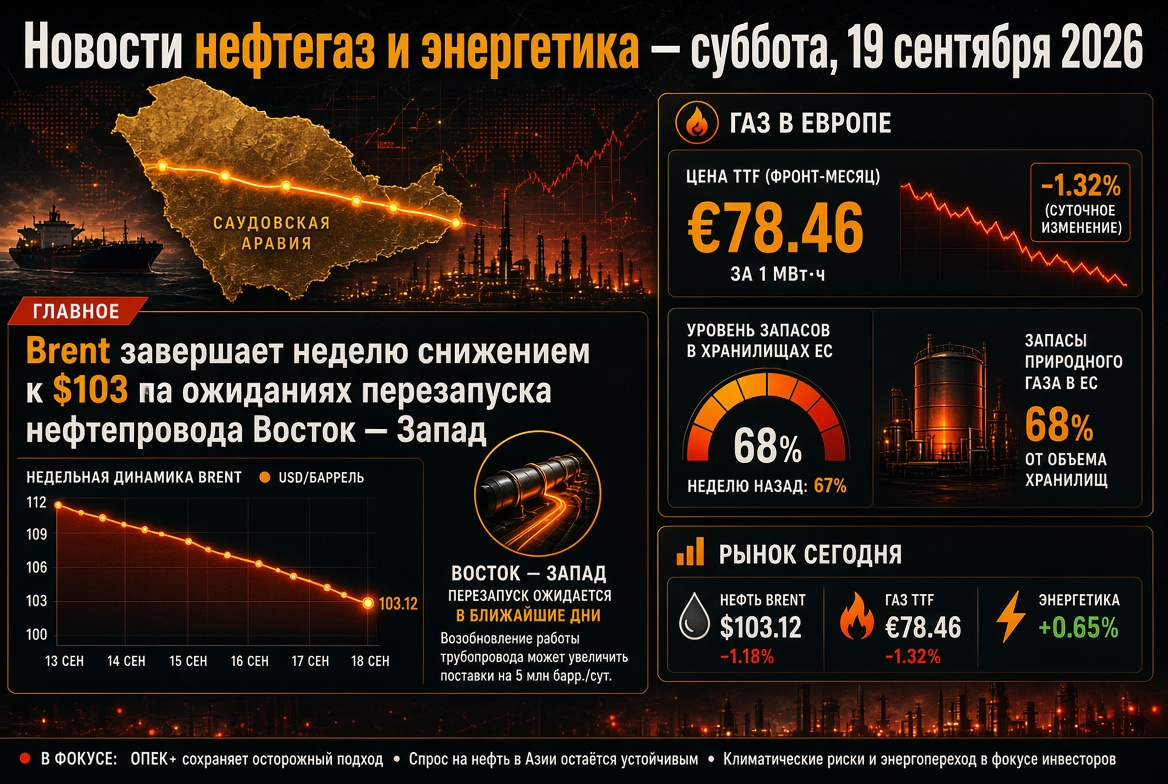
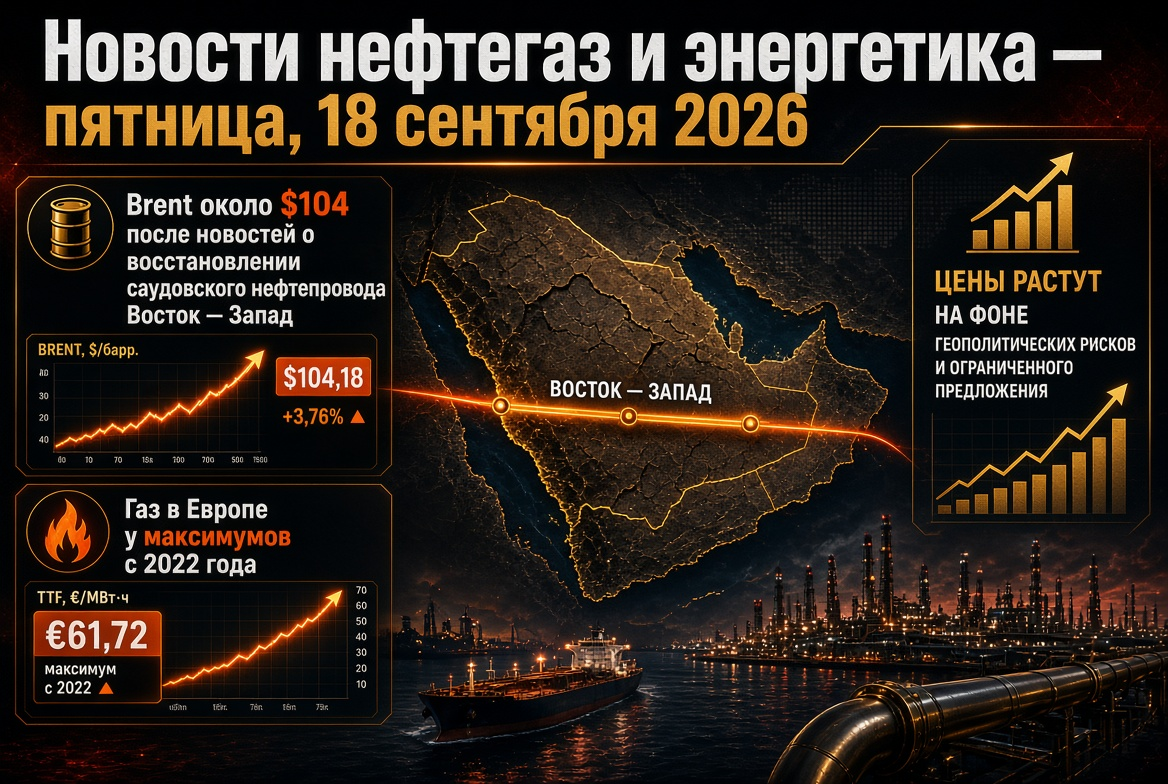
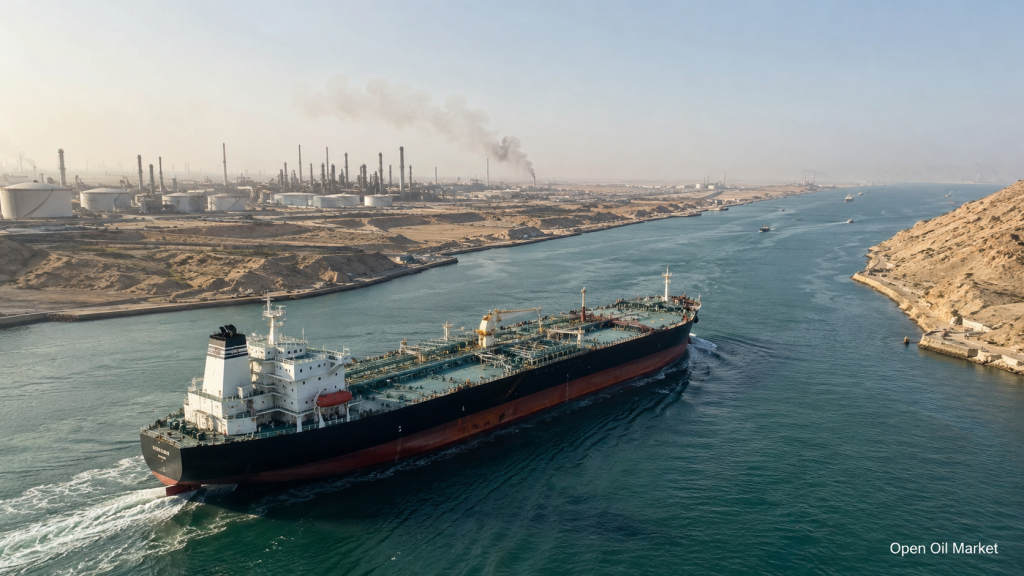
Oil prices remain influenced by the situation in the Strait of Hormuz and the geopolitical and military tensions in the Persian Gulf region. Brent trades near the zone above $90 per barrel, while WTI holds around the psychologically important level of $90. For the oil market, this means that investors are once again factoring in not only the current supply and demand balance but also the risk of supply disruptions.
For oil companies, this dynamic creates a dual effect. On one hand, high oil prices support revenue in the upstream segment. On the other hand, the rising military and logistical premium increases the costs of insurance, freight, inventory financing, and oil operations. For refiners and raw material buyers, the situation is more complex: refineries are forced to compete for available oil batches, and margins increasingly depend on the ability to quickly redirect supplies.
OPEC and OPEC+: Formal Quotas Diverge from Actual Production
A key signal for the market is the reduction of OPEC production to minimal levels in many years. Even if individual OPEC+ participants are formally ready to increase production, physical constraints, route blockages, sanctions pressure, and instability of export infrastructure hinder quickly returning necessary volumes to the market.
For investors, this is an important structural point. The oil market in 2026 increasingly faces a situation where paper decisions on quotas do not translate into actual barrels. This amplifies volatility and maintains a higher valuation for companies capable of producing and exporting oil outside zones of direct geopolitical risk.
- Producers with resilient logistics and access to ports are benefitting;
- The significance of oil and oil product inventories is increasing;
- The role of the USA, Latin America, Africa, and other alternative supply sources is strengthening;
- Flexibility in the feedstock basket and access to shipping fleets are becoming critically important for refineries.
Oil Inventories and Refinery Operations: US Closing Part of Global Deficit
The American market remains one of the main stabilizers of the global energy sector. A sharp reduction in commercial oil inventories in the US and high refinery utilization indicate that processing is compensating for global disruptions. Refinery capacity utilization above 95% signals a high demand for gasoline, diesel, jet fuel, and other oil products.
For the oil products market, this translates into sustained tension in the diesel and middle distillate segments. Diesel is crucial not just for transport, but also for industry, agriculture, mining, logistics, and backup generation. Therefore, the diesel shortage and the increase in refinery margins can directly impact inflation, transportation costs, and end-product prices.
Oil Products: Gasoline, Diesel, and Jet Fuel Remain in Focus
Oil products are becoming one of the most sensitive segments of the energy market. High oil prices are already reflecting in wholesale prices of gasoline, diesel fuel, and jet fuel. For fuel companies and traders, this creates an increased need for working capital: purchasing batches becomes more expensive, logistics riskier, and customers increasingly demand delays and fixed delivery conditions.
The most critical factors for the oil products market on June 11 include:
- Availability of diesel in Europe and Asia;
- Utilization levels of American and European refineries;
- Cost of marine logistics and insurance;
- Dynamics of gasoline demand during the summer season;
- Inventories of distillates before the autumn-winter period.
For oil companies and refineries, the current situation may support refining margins but simultaneously increases operational risks. Any unscheduled maintenance, accident, or logistical failure can exacerbate the deficit of specific fuel types.
Gas and LNG: Investments Shift Towards Supply Security
The gas market in 2026 is becoming as crucial as the oil market. The US is ramping up natural gas production and LNG exports, while global buyers are seeking to diversify supplies following disruptions along traditional routes. For Europe, Asia, and Middle Eastern countries, LNG is transforming into a strategic resource that connects electricity generation, industry, and the heating season.
The growth of investments in gas projects, LNG terminals, fleets, and storage infrastructure indicates that the market is not prepared to swiftly abandon gas. Even against the backdrop of the development of renewables, natural gas remains a key balancing fuel for energy systems. This is especially noticeable in countries where the share of solar and wind generation is growing faster than the networks, storage, and backup capacities.
Electricity: Grids Become the New Bottleneck in Energy
Electricity is becoming the central theme of global energy. Data centers, electric vehicles, industrial electrification, summer seasonal cooling, and the development of artificial intelligence are increasing the load on energy systems. Furthermore, the problem is no longer just the volume of generation but the ability of the grids to integrate new capacities.
The UK is accelerating the connection of hundreds of energy projects, including wind generation, solar stations, battery storage, gas, and hydropower facilities. This is an important signal for the entire global market: investments in renewables without grid infrastructure do not yield full effect. For investors in the electricity sector, companies operating in segments are becoming increasingly important:
- Grid infrastructure;
- Energy storage;
- Load management;
- Digitalization of energy systems;
- Backup and flexible generation.
Renewables and Coal: The Energy Transition Becomes More Pragmatic
Renewables continue to take an increasingly prominent place in the global energy balance, but 2026 shows that the energy transition is not linear. China is actively developing solar, wind, and hydropower while maintaining a significant role for coal as a backup resource for the energy system. Europe is accelerating the development of clean generation but is facing price volatility during calm winds, hot weather, and limited gas inventories.
Coal remains a controversial but sought-after tool for energy security. During periods of expensive LNG and unstable gas supplies, certain countries are reverting to coal generation as a backup source. For investors, this means that the coal sector may continue to maintain short-term profitability, but in the long run, it remains under pressure from regulation, ESG requirements, and competition from renewables.
Key Risks for Investors and Energy Sector Companies
As of June 11, 2026, the global energy sector is in a phase of heightened uncertainty. For investors, oil companies, gas producers, refinery owners, oil product traders, and electricity companies, the key risks remain as follows:
- Geopolitical risk. Any escalation of conflict surrounding the Strait of Hormuz could rapidly push up prices for oil, LNG, and oil products.
- Logistical risk. Restrictions on tanker routes increase the cost of delivery and insurance.
- Inventory risk. Diminishing oil and distillate inventories raise the market's sensitivity to accidents and disruptions.
- Inflation risk. Expensive energy may intensify pressure on consumer prices and interest rates.
- Network risk. A lack of power grids and storage can hinder the development of renewables and industrial electrification.
The Energy Market Reassesses Safety, Flexibility, and Infrastructure
The main theme for Thursday, June 11, 2026, is a reassessment of energy security. Oil prices are rising due to the risk of disruptions, gas and LNG are receiving strategic premiums, refineries are operating at high utilization, oil products remain a sensitive inflationary factor, and electricity and renewables are increasingly dependent on the health of the grids.
For investors, the global energy sector today appears not as a single raw material cycle but as a set of interconnected infrastructure markets. The most resilient may be the companies that control not only oil and gas production but also refining, storage, logistics, export channels, power grids, generation, and demand management technologies.
In the coming days, market participants should monitor the dynamics of Brent and WTI, news surrounding the Strait of Hormuz, oil and distillate inventories in the US, LNG exports, refinery utilization, electricity prices in Europe and Asia, as well as decisions on connecting new renewable capacities. These factors will define the direction of the global energy market, the cost of oil products, and the investment valuations of companies in the oil and gas and electricity sectors.