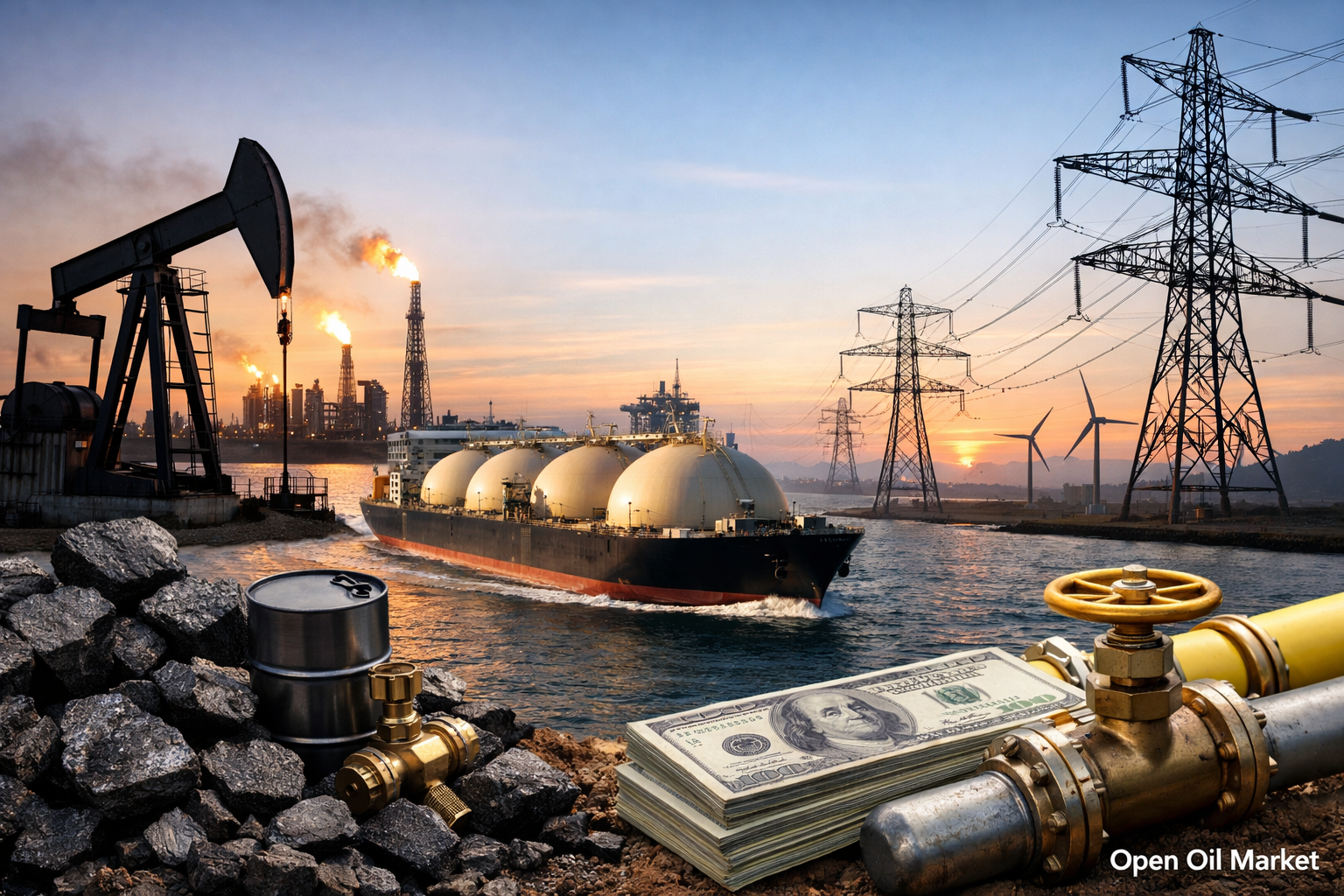
Global Energy News: Oil, Gas, Fuels, and Power on March 5, 2026, Key Risk of the Day: The Strait of Hormuz and Logistics of Global Supplies
The primary driver of global commodity markets at present is the actual blockade of some flows through the Strait of Hormuz and a significant increase in logistics costs. In the context of attack risks in the Persian Gulf region, tankers and gas carriers are going into "wait-and-see" mode — supply chains for oil, LNG, and refined products are beginning to operate with delays, and the risk premium is shifting from futures curves to freight and insurance. For global energy, this means rising costs not only for raw materials but also for transportation components: rates for VLCCs and LNG freight are becoming a standalone factor in cost structures for oil companies and trading.
- Freight and insurance — a quick channel for transmitting shocks to oil, LNG, and fuel prices.
- Disruption of delivery schedules amplifies market price sensitivity to any news about infrastructure incidents in the region.
- Risk premium turns into a "logistics tax" for Asia and Europe: the higher the barrel price, the higher the cost of fuel and electricity for industry.
Oil: Brent and WTI Hold Near Multi-Month Highs
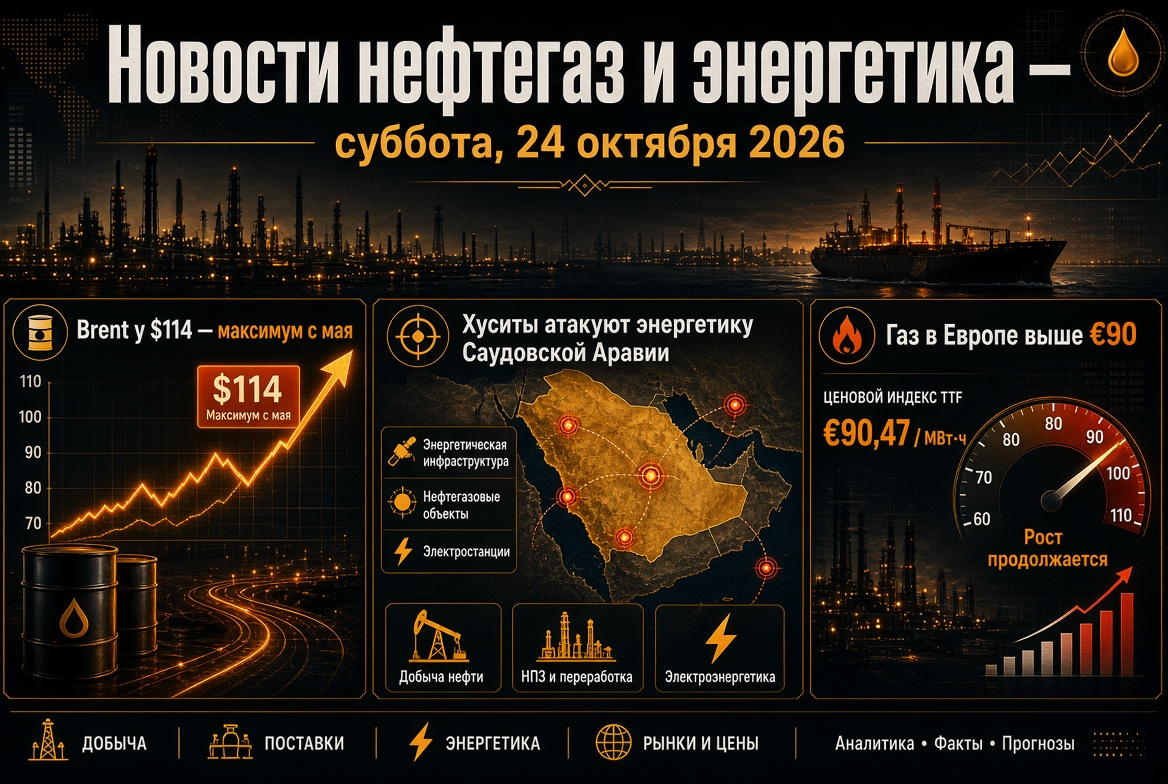
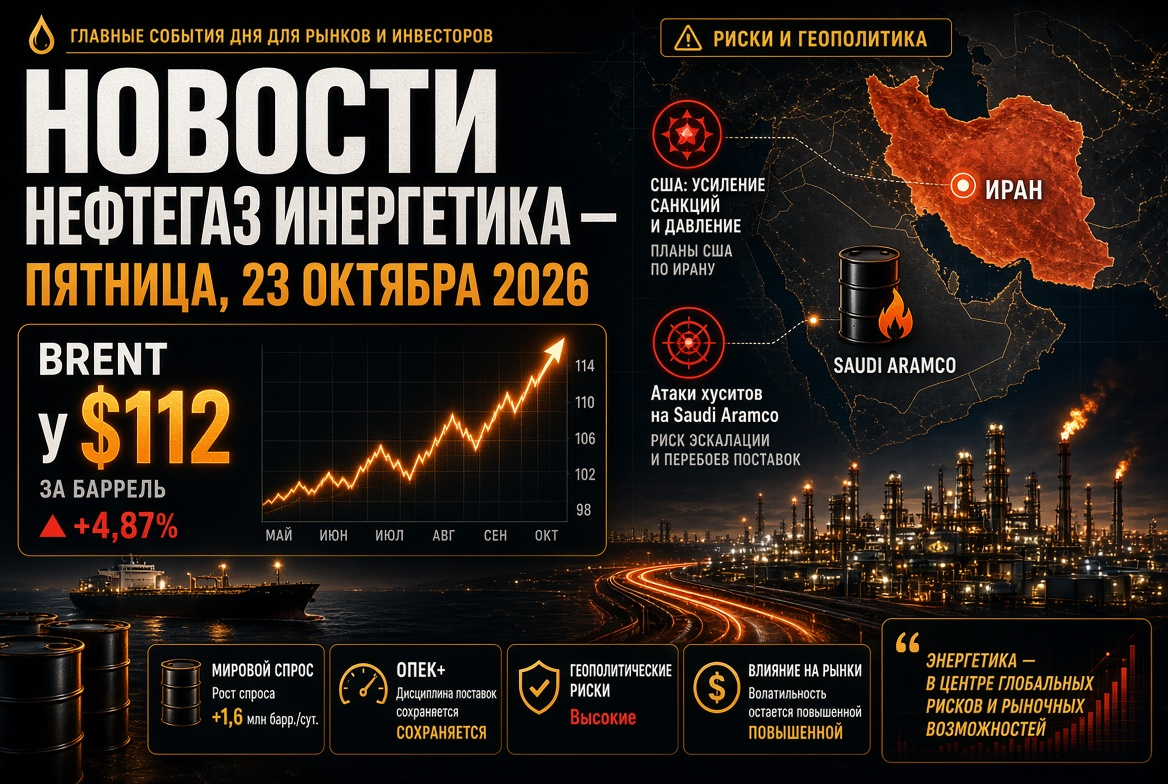
As of March 5, the oil market maintains a nervous tone. Brent remains around $82/barrel after moving to local highs, while WTI is near the mid-$70/barrel range. The triggers are a combination of supply disruptions, risks to export infrastructure, and uncertainty regarding the duration of shipping restrictions. In this configuration, traders evaluate not only "how much is being produced" but also "how much is actually getting to refineries and consumption terminals."
An additional layer is macro data and inventories: an increase in U.S. inventories could temporarily smooth price momentum but is perceived as a secondary factor compared to the risks in the Strait of Hormuz and potential production/export halts in the Middle East under current conditions.
- Geopolitics and physical flows (accessibility of the strait, security of vessels) are the key drivers of oil.
- Infrastructure risk increases the premium in oil prices and strengthens demand for alternative grades.
- Expectations for de-escalation may lead to pullbacks, but the market quickly "buys" any news about prolonged disruptions.
OPEC+ and Supply: Quota Increases, But the Market Watches Barrels "on Water"
On the supply side, OPEC+ demonstrates a willingness to manage the market, but the influence of the alliance's decisions these days is limited by logistics. Leading participants have agreed to reinstate some voluntary restrictions with relatively modest production increases in April — on paper, this looks like a step toward balancing; however, actual delivery is determined by export capacity and shipping insurance.
The practical interpretation for investors and oil companies is that even with a formal increase in production, the "marginal" factor remains the export infrastructure and transportation. As a result, oil responds primarily to news about vessel passages, incidents at production and processing facilities, rather than the mere fact of quota adjustments.
Gas and LNG: Qatar's Force Majeure Resets Global Competition for Molecules
The gas and LNG markets are experiencing one of the sharpest stress episodes in recent years. Qatar's force majeure effectively removes the largest flexible source for balancing between Europe and Asia from the market. With a significant dependence of certain importers on Middle Eastern volumes, a competition between regions emerges: Asia is paying more for spot deliveries, while Europe attempts to retain molecules in order to avoid undermining injection into underground gas storage ahead of the next heating season.
The symptoms are already evident: the European Title Transfer Facility (TTF) has surged sharply, while the Asian Japan Korea Marker (JKM) has jumped to levels that reopen arbitrage for shipments from the Atlantic to Asia. At the same time, physically "replacing Qatar" is challenging: U.S. LNG exports are already close to maximums, and the industry's short-term reserves are limited. The outcome is that high gas prices are becoming a global factor for power and industrial inflation.
- Europe: the risk of expensive injections into underground gas storage and rising electricity costs for industry.
- Asia: competition for spot cargo, rising JKM premiums, and increasing LNG freight costs.
- U.S. and Atlantic: high utilization of LNG export capacity limits the speed of supply response.
Refineries and Fuels: Diesel and Jet Fuel Rise Faster Than Crude
For refined products, the week is characterized by "bottlenecks": the risk of shutdowns at refineries and export terminals in the Persian Gulf region, rising freight rates, and changing supply routes amplify the deficit of middle distillates. Diesel and jet fuel often reflect logistical shocks first — they are critical for supply chains, aviation, freight transport, and generation in a number of countries.
There is a noticeable rapid increase in premiums and spreads in the market: Asian differentials for diesel and aviation fuel are reaching multi-year highs, while the "east-west" spread for diesel (including forward structures) is strengthening on expectations that Europe will be forced to pull additional volumes from Asia amid ongoing restrictions in Hormuz. For refineries, this means increased margins for middle distillates, but simultaneously — heightened operational risks and volatility in raw material procurement and logistics.
- Diesel and jet fuel — in the zone of greatest deficit risk during disruptions in Hormuz.
- Refineries and terminals — heightened physical risk increases the premium on refined products.
- Europe-Asia — the potential for barrel flow is limited by freight and vessel availability.
Electricity and Coal: Gas Shock Amplifies Fuel Switching
High gas prices in Europe and Asia inevitably translate into electricity costs: in competitive energy systems, gas generation often closes the marginal demand and sets the price in the wholesale market. As a result, the surge in TTF and expensive LNG increases the cost per megawatt-hour for industry and stimulates "fuel switching" where possible: an increase in demand for coal, fuel oil, and alternative fuels in power generation and industrial heating.
In such a configuration, coal receives short-term support, and coal indices react with gains. For global energy, this means a temporary strengthening of coal's role and a more complex balance between reliability, cost, and climate goals. At the company level, the value of resilient fuel supply chains, access to port infrastructure, and flexibility in fuel mix is increasing.
Renewables, Hydrogen, and Carbon Markets: Energy Security Accelerates Industrial Policy
Alongside the oil and gas crisis, a long-term contour is gaining weight: countries are ramping up industrial policy surrounding renewables, batteries, hydrogen, and "low-carbon" supply chains. In Europe, discussions on competitiveness and energy prices are reflected in the movement of EU ETS carbon quotas: the ETS market balances between climate goals and industrial pressure due to the costs of electricity and gas.
Nevertheless, the energy transition trend is not being canceled: the share of wind and solar in several regions continues to grow, and major green hydrogen projects and the localization of supply chains are receiving political and financial support. For investors, the takeaway is clear: looking towards 2026, energy remains "two-speed" — short-term shocks support oil, gas, and coal, while structural programs continue to propel renewables, grids, storage, and hydrogen.
Investor Focus: Scenarios and Key Tracking Points for the Next 24 Hours
For the energy sector, the key question over the next 24 hours is one — the duration of shipping restrictions and the speed of export normalization. This will affect not only oil and gas but also fuels, electricity, coal, inflation expectations, and regulatory behavior.
- Traffic and security in the Strait of Hormuz: any signs of recovery in vessel passage or, conversely, new incidents.
- LNG balance: signals regarding the timelines for Qatar's supply recovery and the scale of actual volume "shortfalls."
- European gas: dynamics of TTF and discussions on injection rates into underground storage against the backdrop of expensive gas.
- Refineries and fuels: premiums on diesel/jet fuel, "east-west" spreads, vessel availability, and speed of routing adjustments.
- Macro effects: inflation sensitivity to oil and gas prices and possible regulatory responses to energy cost increases.