Global Startup and Venture Capital News as of January 31, 2026: Major Funding Rounds, Venture Fund Activity, AI Investments, and Key Tech Trends for Investors.
The start of 2026 is showcasing a continued rise in the global startup and venture capital market. Following an investment surge last year, venture funds and corporations are once again actively pouring capital into promising companies. Major investors are shaping record funds, while technology startups around the world are closing funding rounds in the hundreds of millions of dollars, despite a more selective approach to projects. Capital is particularly drawn to sectors like artificial intelligence, biotechnology, green technologies, and strategic tech that may define the future of industries and national security. Below is an overview of key news from the world of startups and venture investments as of January 31, 2026.
Venture Market Riding a Growth Wave After a Successful 2025
The global venture market has entered 2026 on an optimistic note. According to industry analysts, investment volumes in startups soared in 2025 compared to the previous downturn. For instance, in North America, startups attracted around $280 billion in venture capital over the year, representing an increase of nearly 46% from the previous year. The primary driver of growth was a boom in artificial intelligence projects, which accounted for a significant share of the funding raised. Venture investors worldwide are once again ready to invest in innovative companies, particularly in breakthrough areas. The early weeks of 2026 confirm this trend: several significant deals and the launch of new funds have been announced, signaling a continued positive dynamic in the venture market.
Andreessen Horowitz Raises Record Mega Fund
One of the most notable signs of investor confidence has been the unprecedented new fund launched by Silicon Valley firm Andreessen Horowitz (a16z). The firm announced it had raised over $15 billion for a range of new venture funds across various sectors—marking a record amount both for a16z and one of the largest in the history of the venture market. The funds are allocated among several ventures: approximately $6.75 billion is earmarked for late-stage growth investments; about $1.2 billion is directed towards the specialized American Dynamism fund (focusing on startups in the fields of national security and defense); as well as separate funds of around $1.7 billion for investing in applied technologies and infrastructure projects, $700 million for biotech and healthcare, and other verticals. A16z leadership emphasizes a strategic focus on technologies that strengthen U.S. technological leadership—from AI and cryptocurrencies to defense, education, and biomedicine. Industry estimates suggest that a16z now controls around 18% of all venture investments made in the U.S. last year. The emergence of this new mega fund at a time when 2025 was the quietest year for fundraising since 2017 speaks to a resurgence of trust: investors are willing to entrust record amounts to proven players in pursuit of the "next big ideas" among startups.
AI Investment Boom Continues
The artificial intelligence sector remains a major magnet for venture capital in 2026. Following last year's frenzy, interest in AI startups shows no signs of waning: large-scale deals have already been recorded in the early weeks of the new year. Last week, the startup lab Humans&, founded by a team of top researchers from Google, OpenAI, Anthropic, and Meta, raised approximately $480 million in seed funding—an unprecedented sum for such an early stage. Another example is Ricursive Intelligence, an ambitious advanced AI project, which announced a $300 million Series A round at a valuation of about $4 billion. Also drawing attention are projects from well-known entrepreneurs: the new startup Merge Labs, co-founded by OpenAI's Sam Altman, developing brain-computer interface technologies integrated with AI, has reportedly secured around $252 million in initial funding. Altogether, according to Crunchbase, over 40% of all investments at the seed and Series A stages in 2026 have already gone towards rounds of $100 million and more—a previously rare occurrence made possible largely by the AI race. Venture investors continue to see AI as a key growth area and are ready to compete for the most promising teams. The competition for talent and cutting-edge developments in AI remains high, and startups continue to receive large checks to scale solutions in the fields of generative AI, voice and visual algorithms, business process automation, and other areas.
New "Unicorns" in Defense Tech and AI
A series of large deals at the beginning of the year has added to the ranks of "unicorns"—private companies valued at over $1 billion. Several startups reached this status through recent funding rounds:
- Deepgram (USA, voice AI) – raised $130 million in a Series C round at a valuation of about $1.3 billion, becoming a leader in the AI-powered voice technology segment.
- Harmattan AI (France, AI-based defense systems) – secured about $200 million in a Series B round, bringing the Paris-based startup's valuation to $1.4 billion. Harmattan AI has become a rare "unicorn" in the strategically crucial European defense technology sector.
- Defense Unicorns (USA, secure software for government agencies) – closed a Series B round of $136 million led by Bain Capital, achieving a valuation of over $1 billion. The company has justified its name by entering the unicorn club amid rapid revenue growth from contracts with the Pentagon.
The emergence of these newly highly valued players reflects a growing focus of venture capital on projects linked to artificial intelligence and national security. In line with the trend set by funds like a16z American Dynamism, investors are actively financing companies engaged in both commercial AI products (e.g., voice assistants for businesses) and government-critical technologies (defense, cybersecurity). Moreover, the venture race is global: the formation of new unicorns involves not only Silicon Valley but also Europe, Asia, and other regions where technology companies are emerging with billion-dollar valuations.
Tech Giants Hunting for AI Startups
Not only venture funds but also major corporations are striving to enhance their positions in the field of artificial intelligence. A notable example is Apple, which executed one of its largest deals in recent years by agreeing to acquire the Israeli AI startup Q.ai, specializing in AI-based audio technologies. According to insiders, the acquisition cost was approximately $1.6 billion, making it Apple's second-largest purchase ever (after the acquisition of Beats). The Q.ai startup develops machine learning systems for whisper speech recognition and enhances audio in complex conditions, and its ~100-strong team will join Apple. The deal underscores the intensifying competition among Big Tech for breakthrough AI developments: companies like Apple, Google, Microsoft, and Meta are actively acquiring promising projects to avoid falling behind in the AI technology race. For startups and their investors, such "exits" serve as validation of high valuations: major strategic players are willing to pay billions for access to cutting-edge solutions and talent in AI.
Multi-Million Dollar Rounds in Biotech Signal Rejuvenation
The biotechnology sector is similarly on the rise: in January, several biotech startups announced large funding rounds, indicating a renewed interest from investors in healthcare. The most notable deal is a $305 million Series F round for Parabilis Medicines from Massachusetts (previously known as FogPharma). The capital raised will enable Parabilis to advance its experimental cancer treatment (the peptide zolucatetide) into the critical phase of clinical trials and expand its platform technologies for peptide cell penetration to develop new medications. Notably, Parabilis has secured venture funding six times, remaining a private company longer than is typical for the industry. Such a large late-stage round from esteemed investors (including public market funds) signifies high trust in its scientific developments.
Another notable case is California-based startup Soley Therapeutics, which attracted approximately $200 million in a Series C round. The company employs artificial intelligence and computational biology to uncover new cancer treatment methods and will direct the funds toward advancing two of its candidates into clinical trials. Records are also being set at early stages: a very young biotech company AirNexis Therapeutics received $200 million in seed funding (Series A) to develop an innovative treatment for lung diseases. Such a volume of investments at the A stage is quite rare, signaling strong confidence in the project’s developments: AirNexis has licensed a promising molecule from the Chinese pharmaceutical company Haisco and plans to bring it to the global market for treating COPD (asthma and chronic obstructive pulmonary disease).
In addition to these mega-rounds, there is a trend of more moderate deals: industry observers have recorded at least half a dozen biotech startups in January that raised between $50 million and $100 million each. All of this points to a new resurgence in biotech after the challenging period of recent years: venture funds are once again actively financing companies in the pharmaceuticals and medicine sector, especially if a startup possesses breakthrough science or an imminent market-ready product. Large crossover investors (funds operating in both private and public markets) are returning to biotech, paving the way for renewed IPOs, provided the market conditions allow.
New Specialized Venture Funds Emerging Worldwide
In addition to funding startups themselves, capital is also actively flowing into the ecosystem through new venture funds, often focused on narrow niches or strategic themes. The startup industry is diversifying, reflected in the emergence of specialized funds in various regions at the beginning of 2026. Here are a few noteworthy examples:
- All Aboard Alliance (Global) – a coalition of private venture firms (including Bill Gates' Breakthrough Energy Ventures) announced the creation of a $300 million fund for investments in startups focused on climate change and greenhouse gas reduction. Initial investments are planned for this year, reflecting a growing interest in climate tech.
- 2150 VC (Europe) – the London-Copenhagen venture fund 2150 closed its second fund of €210 million, bringing the total assets under management to €500 million. The funds will support startups developing sustainable urban development technologies (urban climate solutions, "green" construction and infrastructure projects).
- VZVC (USA) – a new venture firm founded by former a16z partner Vidya Pandya is forming a debut fund estimated at $400 million for investments at the intersection of artificial intelligence and digital health. This example illustrates the trend of experienced investors leaving large funds to focus on rapidly growing niche areas.
- NUS Venture Fund (Asia) – the National University of Singapore has launched a venture fund of $120 million to support its own spin-off startups and university research. This public-private initiative aims to commercialize academic innovations and strengthen the local startup ecosystem.
Alongside the examples listed, corporate and regional development funds continue to emerge. Large corporations and governments are increasingly participating in the venture ecosystem, creating funds to support priority sectors—from climate technologies and biomedicine to defense and artificial intelligence. As a result, the landscape of venture capital is becoming increasingly diverse: alongside billion-dollar mega funds, compact target funds coexist. For startups, this means more opportunities to secure funding worldwide, including in segments that were once considered exotic for venture capital.
Expectations and Outlook: IPOs and Continued Market Growth
Such an active start to the year fosters cautious optimism among venture market players when forecasting for 2026. On one hand, record funding rounds and the emergence of new funds provide startups with access to capital. On the other hand, investors will be more closely monitoring the effectiveness of their investments and the development of portfolio companies. A key indicator of sentiment may be the resurgence of companies going public. Following a quiet period in recent years, 2025 saw only a few notable tech IPOs; thus, 2026 is expected to see a queue of unicorns ready to test their fortunes in the public market, should market conditions improve.
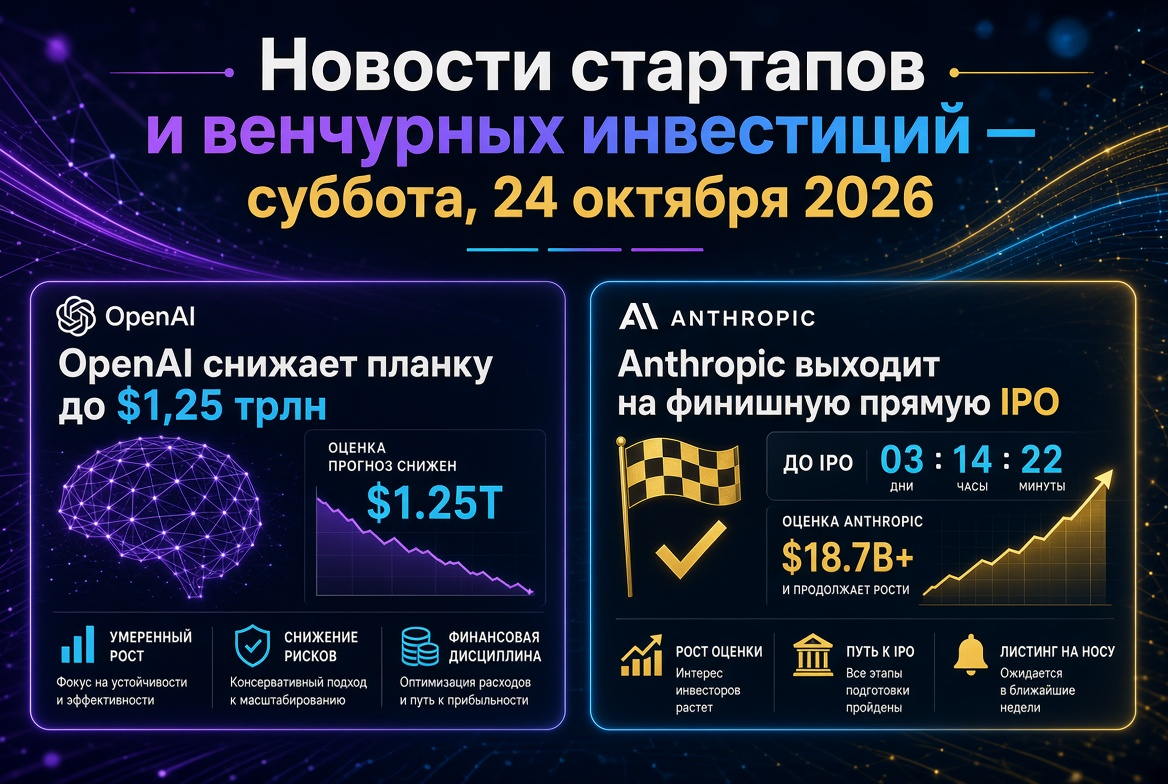
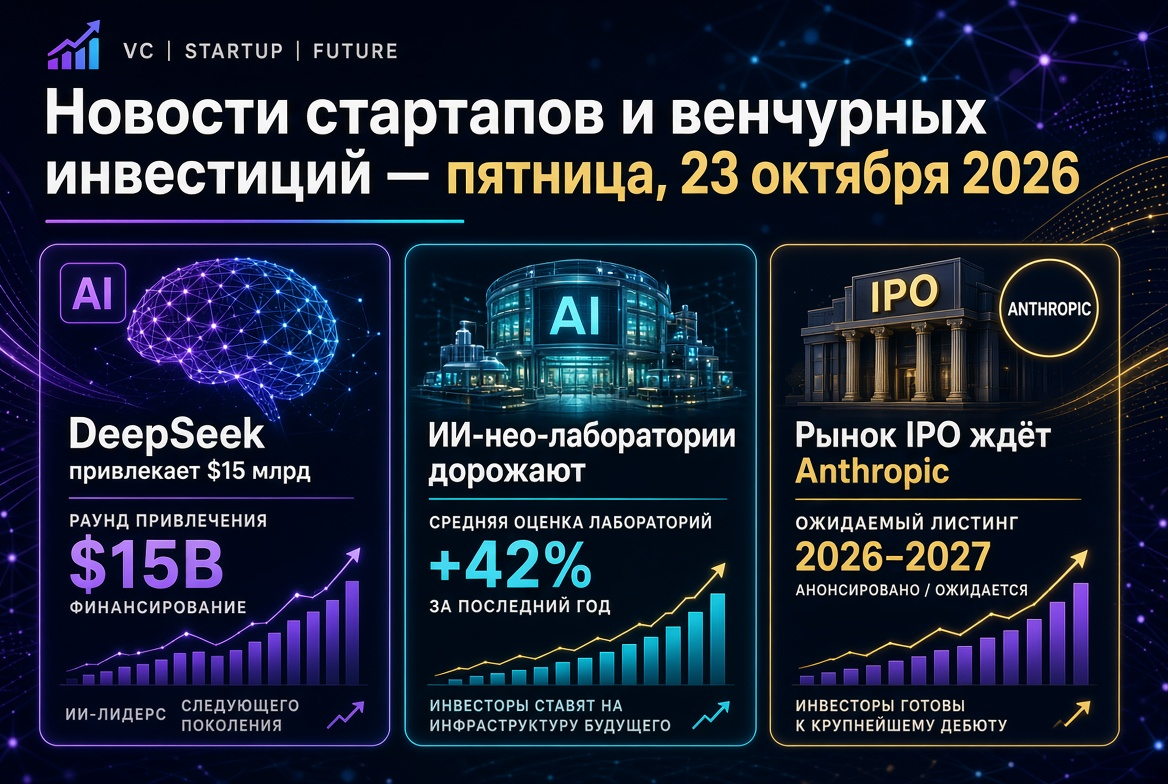
Venture funds are already preparing potential IPO candidates. There are rumors of plans for several major AI and fintech companies from Silicon Valley, as well as certain biotech firms that have managed to attract crossover investors at late stages, to go public. Among the most anticipated in the industry are potential IPOs of giants like OpenAI, Anthropic, or even the aerospace company SpaceX—its listing could invigorate the market and attract widespread attention. The high valuations that startups have received in recent rounds imply expectations for exits either via strategic acquisitions or through public offerings.
At the same time, the volume of available "dry powder"—i.e., uninvested capital in venture funds—remains substantial. According to PitchBook estimates, impact investment funds alone currently control over $200 billion in unutilized capital, while the overall global venture "dry powder" is measured in hundreds of billions of dollars. These capital reserves can sustain high funding rates for innovation even amid changing economic conditions, creating competition for the best deals.
Of course, certain risks remain: rising interest rates, geopolitical instability, and stock market volatility may temper investors' risk appetites. Nonetheless, at present, the startup ecosystem enters the new year with a solid buffer and measured optimism. Venture investors and company founders hope that 2026 will be a period of continued growth—provided there’s reasonable valuation of projects and favorable macroeconomic conditions.