Oil Market: Hormuz Diplomacy Causes Price Decline
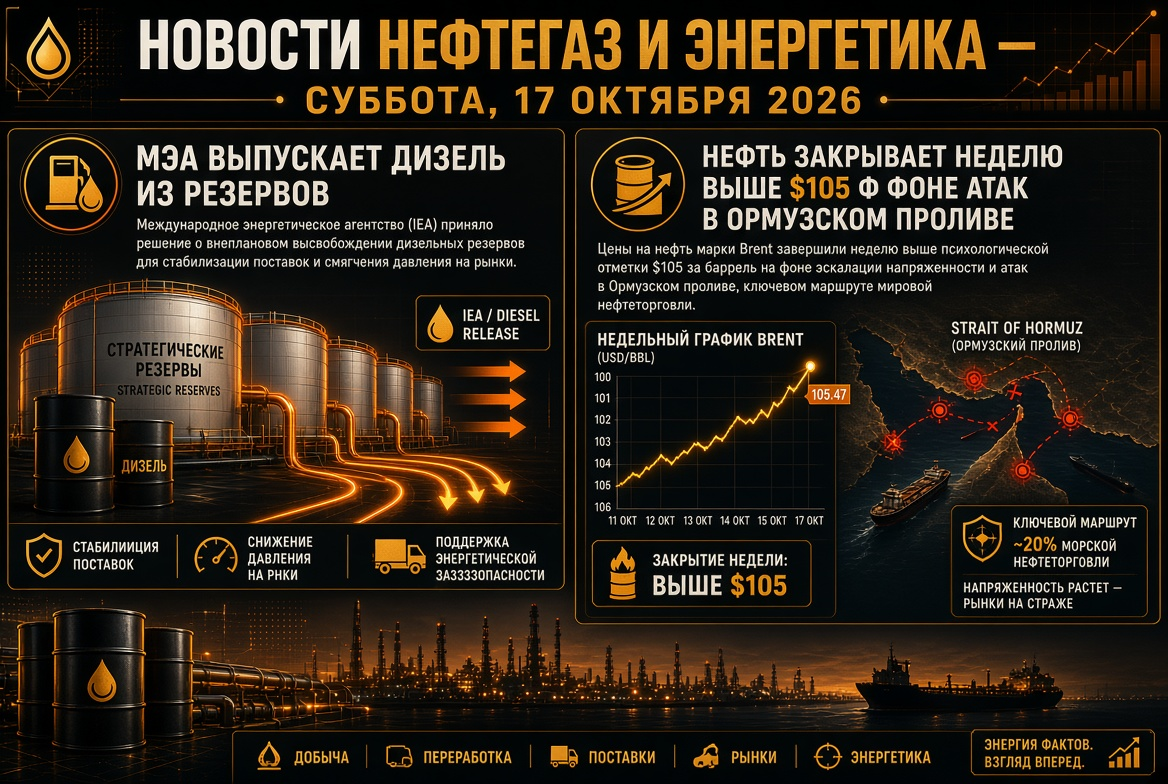
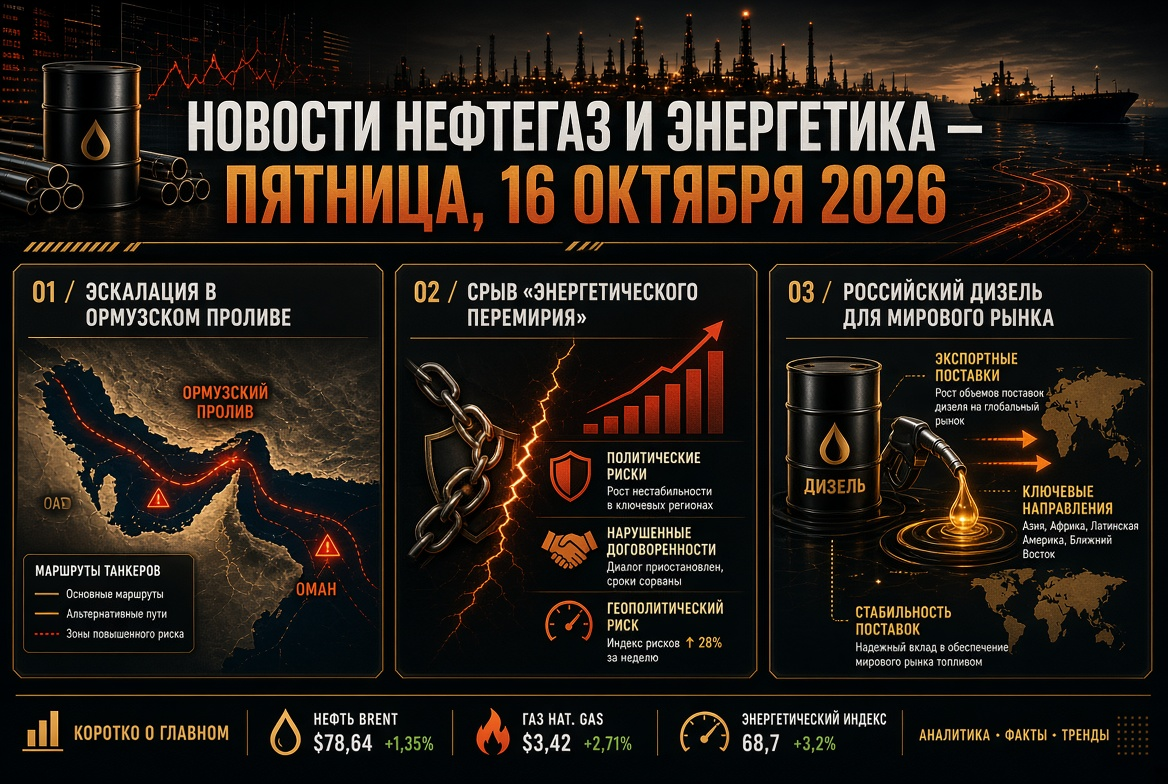
The oil market has experienced one of the sharpest corrections of the year. Following the July rally, when Brent soared above $90 per barrel due to the blockade of the Strait of Hormuz, news of a forthcoming temporary agreement between Iran, Oman, and the USA reversed the trend. The parties are discussing a 60-day plan to divide shipping routes: tankers heading to the Persian Gulf will follow Iranian routes, while vessels departing from the Gulf will take routes near Oman, without toll charges. Against this backdrop:
- Brent traded at $78.5–79.7 per barrel by the morning of August 6, having fallen more than 5% in the previous session;
- WTI dropped to $74.8–75.2 per barrel;
- price consolidation is occurring in a narrow corridor of $78.6–81.3 following the sharp decline on August 3–4;
- the average forecast from analysts for Brent prices for the entirety of 2026 remains above $85 per barrel — the market is pricing in the continued premium for geopolitical risks.
The President of the United States publicly stated that there has been "significant progress" in negotiations and a willingness to lift some sanctions against Iranian oil exports and move naval forces away from Iranian shores in the event a deal is reached. Meanwhile, Tehran officially insists that it is discussing shipping arrangements only with Oman, and not directly with Washington, which leaves room for new plot twists. A crucial question for the oil and petroleum products market remains: will the de-escalation be consolidated, or will tensions in the Persian Gulf return in September?
OPEC+: Ending the Production Increase Cycle
The OPEC+ alliance has confirmed that from September, seven member countries, including Russia and Saudi Arabia, will increase oil production quotas by another 188,000 barrels per day. This decision concludes the phased return to the market of 1.65 million barrels per day of voluntary cuts that began earlier this year. Key details include:
- the total allowed production level for the alliance will reach 36.206 million barrels per day;
- Saudi Arabia and Russia will receive equal increases of 62,000 barrels per day, up to 10.478 million and 9.949 million barrels per day, respectively;
- no further increase in quotas is planned until the end of 2026, according to sources within the organization;
- actual production in several countries lags behind quotas due to disruptions in export infrastructure — attacks on facilities in Russia and tensions in the Persian Gulf are hindering a complete recovery in supply.
The next OPEC+ ministerial meeting is scheduled for early September — the market will closely monitor the alliance's rhetoric regarding 2027, especially in light of a potential normalization of the situation around the Strait of Hormuz.
European Gas Market: Record Low Stocks Before Winter
In contrast to oil, the situation in the European gas market remains tense. According to Gas Infrastructure Europe, at the beginning of August, underground gas storage facilities in the EU are only 57% full, which is below the previous record low of 2021 and significantly lags behind the European Commission's target of 90% by the start of the heating season. The main factors contributing to the deficit include:
- reductions in LNG supply through the Strait of Hormuz — estimates suggest that up to 20% of global liquefied gas volumes have temporarily fallen out of logistics;
- a 7% year-on-year decline in LNG imports to Europe in August;
- spot prices at the TTF hub have stabilized at $696 per thousand cubic meters, up from $626 on average in July — a rise of almost one and a half times compared to August of last year;
- the contribution of wind generation to Europe's energy balance at the beginning of August has fallen to 10% compared to 14% a year earlier, further increasing the burden on gas generation.
Analysts warn that if the current injection dynamics continue, Europe risks entering the heating season with storage capacity not exceeding 75%. For industrial gas consumers and energy companies, this translates to increased price volatility and the risk of spikes in electricity costs in the winter of 2026–2027.
Sanctions and Geopolitics: Between Hormuz and Ukraine
The sanctions backdrop remains a defining factor for the oil and gas sector. Washington links any potential easing of restrictions on Iranian oil exports specifically to progress regarding the Strait of Hormuz, while the sanction regime against Russian energy resources remains unchanged for now. Additionally, attacks on refining and export infrastructure continue to impact actual volumes of oil and petroleum products supplies from Russia and Gulf countries, which analysts from Kpler cite as one of the reasons for pushing back the recovery forecast for oil production in the Middle East from September 2026 to early 2027. For global traders and market participants in the energy sector, the scenario remains twofold: sustainable de-escalation could return oil to the $70–75 range, whereas a breakdown in negotiations or a new attack on infrastructure could once again push Brent to $90 and beyond.
Russian Fuel Market: Export Restrictions Remain
Within Russia, authorities continue to curb fuel shortages through a complex of administrative measures. Key decisions from recent weeks include:
- a complete ban on the export of gasoline, diesel fuel, marine fuel, and gasoil for all producers has been extended until the end of September, and for gasoline — effectively until the end of 2026;
- from September 1, partial easing of restrictions for diesel and gasoil from direct producers is anticipated;
- retail prices for gasoline have risen by almost 14% since the beginning of the year, while diesel prices have surged by nearly 15%, significantly outpacing overall inflation;
- import of petroleum products has been initiated to stabilize the internal balance, and special pricing rules for government purchases of fuel have been suspended until the end of the year.
Experts note that the Russian export ban is most severely impacting external markets — particularly Europe and the USA, where the diesel deficit has already affected exchange quotes, while Asia, which has its own refining capacities, feels the effect to a lesser extent.
Asian Demand: China and India Increase Purchases
The largest Asian importers continue to dictate the balance of the global oil and gas market. China retains its status as the leading buyer of Russian and Middle Eastern oil, whilst simultaneously increasing its own production and investments in exploration of fields. India maintains favorable purchasing conditions for Urals oil while also developing deep-water exploration programs to reduce long-term import dependence. Both countries remain the main supporting factor for demand amidst cooling consumption in developed economies.
Energy Transition: Renewables Set to Surpass Coal
According to the International Energy Agency (IEA), by 2026, renewable energy sources (RES) will for the first time surpass coal in the global electricity generation structure. Solar generation is expected to contribute approximately 600 TWh of capacity per year and become the second most significant source of "green" electricity after hydroelectricity. Additionally:
- the gas crisis caused by disruptions in the Strait of Hormuz has accelerated the transition of several countries to solar generation as a means of reducing dependence on imported fuels;
- global rates of new solar capacity installations in 2026 may slow for the first time in 25 years due to market saturation and changes in regulatory policy;
- CO2 emissions from energy production are projected to rise by 1% in 2026 due to a temporary increase in coal generation amidst high gas prices, but a stabilization is expected by 2027.
Coal: A Temporary Resurgence Amid High Gas Prices
Rising natural gas prices have renewed interest among energy companies in coal generation as a backup source of electricity. In the Asia-Pacific region, where the primary demand for energy coal is concentrated, consumption remains near record levels. Despite long-term decarbonization strategies, coal continues to function as a safeguard for energy systems against gas supply disruptions, particularly during peak demand periods.
End of Day: What to Expect for Energy Sector Investors
The fuel and energy complex is entering the weekend with a conflicting set of signals. The oil market shows signs of de-escalation amid Hormuz diplomacy, but geopolitical risk remains high and can resurface at any moment. Conversely, the European gas market is moving into a phase of structural tension before winter, creating a backdrop for increased price volatility in electricity. The Russian fuel market maintains administrative control, while the global energy transition is gaining momentum, despite a temporary renaissance in coal generation. For participants in the energy sector — oil and gas companies, refineries, renewable energy investors, and petroleum product traders — key focuses for the coming weeks will include the outcome of negotiations around the Strait of Hormuz, the pace of gas injections into European storage facilities, and decisions made by OPEC+ at their September meeting.