Cryptocurrency News, Thursday, January 15, 2026: Bitcoin Reaches Two-Month High as Chainlink ETF Launches on NYSE
Entering trading on January 15, the cryptocurrency market displays optimism: the total market capitalization has surpassed $3.23 trillion, demonstrating a growth of over 3% in a day. Below are the key market indicators:
- Bitcoin fluctuated within the range of $91,800–$96,500, approaching a two-month high around $96,000.
- Ethereum is trading around $3,330 (+6.0% for the day), Ripple (XRP) around $2.15 (+3.7%), Dogecoin at ~$0.148 (+6.0%), and Cardano at ~$0.421 (+6.6%).
- Binance Coin (BNB) is priced around $937 (+3.0%), Solana around $145 (+2.1%), with other leading altcoins also rising amid the overall bullish sentiment.
Bitcoin
Bitcoin continues its recovery from the December correction. On Wednesday, Asian markets saw the BTC price reach $96,348, the highest since mid-November, maintaining a gradual rise in January. As of the morning of January 15, BTC is valued at around $95,000, approximately 5% higher than the beginning of the year. Despite still being around 27% below its all-time high of $126,000 (October 2025), experts remain optimistic. They estimate that, depending on macroeconomic dynamics, the potential forecast range for the end of 2026 could be from $75,000–100,000 to $200,000–250,000 per coin. Geopolitical instability and low-interest rates heighten interest in Bitcoin as "digital gold," acting as a hedge against global economic uncertainty.
Altcoins and Other Assets
The wave of recovery has also impacted most altcoins. Ethereum (ETH), the second-largest cryptocurrency by market capitalization, has risen to ~$3,300 (a ~6% increase for the day) and aims to break through key technical resistance levels. Other top coins are also trading above yesterday's values: XRP around $2.15 (+3.7%), Dogecoin ~$0.15 (+6%), Binance Coin ~$937 (+3%), Solana ~$145 (+2.1%), Cardano ~$0.42 (+6.6%). In the private coin market, there's a noticeable surge in activity: Monero (XMR) has set a new historical high, surpassing $680 per coin due to the growing interest in transaction anonymity. Analysts note that the theme of privacy is becoming a priority in the crypto industry.
Institutional Trends
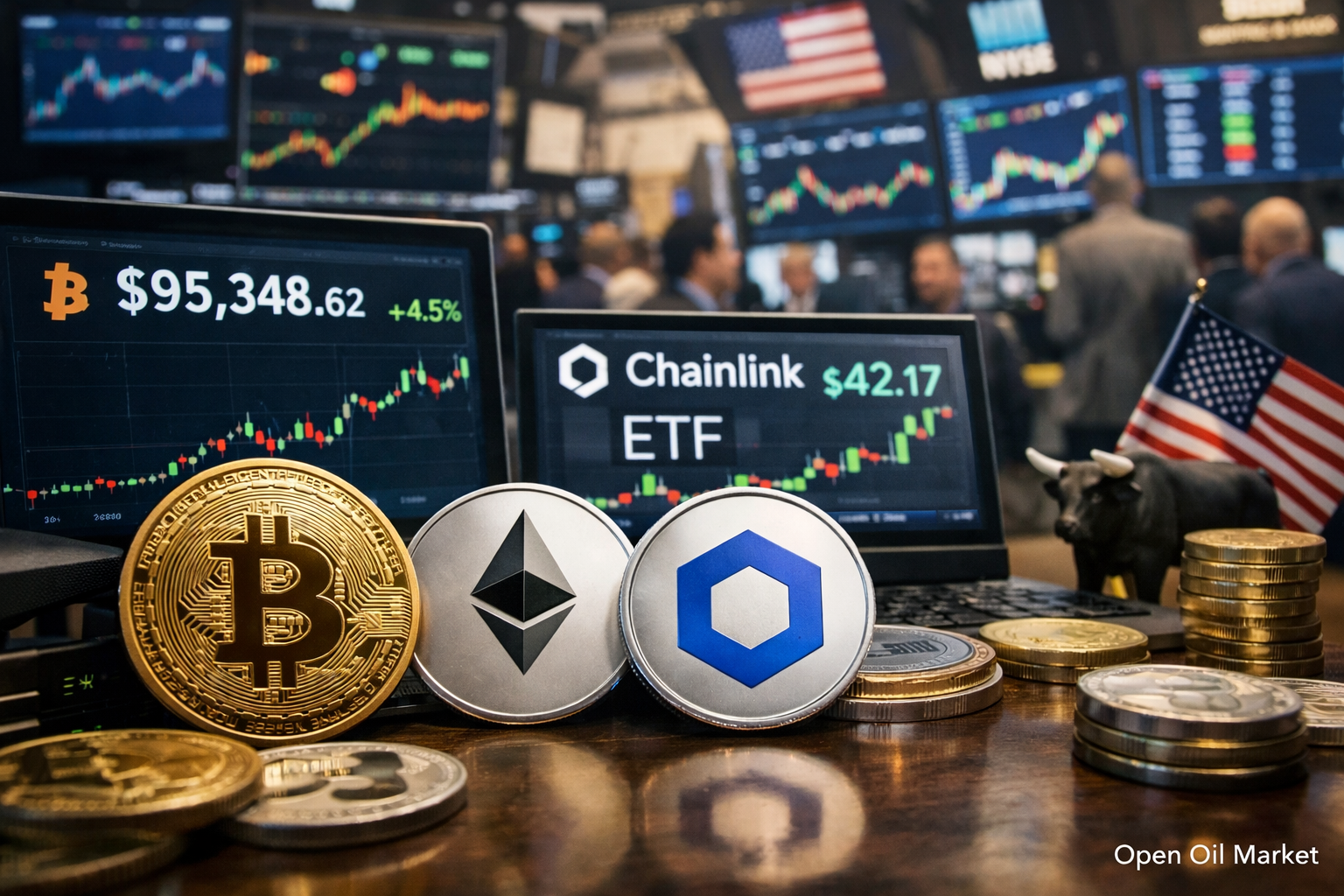
Institutional players and large funds are actively increasing their positions in cryptocurrencies. According to analysts, corporate hedge funds and public companies have purchased approximately 260,000 BTC in the last six months — nearly three times the mining output during the same period. The largest holder of corporate Bitcoin reserves remains MicroStrategy (approximately 687,000 BTC, over 60% of all corporate holdings) — at the beginning of January, it announced a record purchase of 13,627 BTC within a week. Besides Bitcoin buyers, interest in crypto ETFs remains robust: over $22 billion in net inflows were recorded in spot Bitcoin ETFs in 2025, supporting demand for this asset. For the first time, the range of such products is expanding — on January 15, 2026, the world's first spot cryptocurrency ETF for Chainlink (ticker CLNK) will begin trading on NYSE Arca, allowing investors to gain direct exposure to LINK without the need for self-custody of tokens.
Regulation and Legislation
Active discussions regarding the legal status of cryptocurrencies continue in various countries. In Russia, the State Duma is preparing a bill that will exempt digital assets from "special regulation" and equate them with standard financial instruments. Under the initiative, retail investors will be allowed to buy cryptocurrencies worth up to 300,000 rubles per month, and cryptocurrency will be officially recognised as a means of payment. It is anticipated that this law will become a key issue in the upcoming spring parliamentary session. In the U.S., the Senate has suspended hearings on the cryptocurrency market regulation bill, signalling the need for further discussion of regulatory measures. At the same time, several countries, including some European and Asian jurisdictions, are considering easing rules for cryptocurrency platforms and investors, creating an overall positive sentiment for the market.
Top 10 Popular Cryptocurrencies
- Bitcoin (BTC) – the first and most well-known cryptocurrency. Bitcoin boasts the largest market capitalization and is viewed by investors as "digital gold," serving as a hedge against inflation.
- Ethereum (ETH) – the second-largest cryptocurrency and the main platform for smart contracts and DeFi applications. Ethereum powers thousands of decentralized protocols and continues to attract growth-focused investors.
- Binance Coin (BNB) – the native token of the Binance cryptocurrency exchange. BNB is used to pay fees on the platform and participate in projects on the Binance Smart Chain, making it a popular tool within the Binance ecosystem.
- Ripple (XRP) – the token of the Ripple payment network designed for fast international transfers. XRP is known for its high transaction speed and is supported by financial institutions, despite ongoing legal battles with regulators.
- Solana (SOL) – a high-throughput blockchain known for low fees and rapid transaction confirmations. SOL is widely applied in NFT projects and gaming applications due to the network's performance.
- Dogecoin (DOGE) – a meme cryptocurrency initially created as a joke project but has gained widespread popularity. DOGE is often used for microtransactions and donations, and attracts attention due to support from notable entrepreneurs and its growing community.
- Cardano (ADA) – a next-generation blockchain with a Proof-of-Stake consensus based on scientific research. ADA is designed for scalable and energy-efficient applications and is supported by a reliable team of developers.
- Polkadot (DOT) – a multi-chain protocol allowing various blockchains to interact with one another. DOT facilitates the exchange of data and assets across networks, expanding the possibilities of decentralized finance and cross-chain applications.
- Avalanche (AVAX) – a blockchain platform characterized by high speed and customizable architecture. AVAX is actively used in DeFi projects and offers the ability to create custom subnets, allowing adaptation of the network to different business cases.
- Chainlink (LINK) – a decentralized oracle network that connects external data to blockchains. LINK enables smart contracts to retrieve information about asset prices and real-world events. At the beginning of 2026, the first spot ETF based on LINK is launching, further boosting investor interest in this coin.
In summary, the global cryptocurrency market remains optimistic among investors. Key drivers include institutional investments (banking funds and corporate reserves), the launch of new financial products (ETFs on altcoins), and macroeconomic factors. Regulatory initiatives in many countries are also creating conditions for broader cryptocurrency adoption in the economy. However, investors should be prepared for volatility: decisions by the Federal Reserve regarding interest rates, news about global inflation, and other unexpected events can lead to short-term market fluctuations. The key levels that market participants are watching are the $100,000 mark for Bitcoin and the $4–5,000 level for Ethereum. A breakout of these levels, according to analysts, could pave the way for the next rally in the crypto space. Under current conditions, maintaining a diversified portfolio and considering long-term fundamental factors remain essential strategies for investors.