Economic Events and Corporate Reports for Sunday, July 12, 2026. Market Preparation for U.S. CPI, Federal Reserve Speeches, and Reports from Major Banks, TSMC, ASML, Netflix, and China Macroeconomics
Sunday, July 12, features no significant publications from the U.S., Eurozone, UK, Japan, or Russia. This is a typical scenario for a weekend: key macroeconomic releases are usually scheduled for Monday through Friday, while corporate reports from major public companies typically occur during weekdays, either before market open or after market close.
Nevertheless, investors should consider three important aspects of the day:
- The market enters the week with heightened sensitivity to inflation;
- U.S. bank earnings may set the tone for the entire Q2 earnings season;
- Geopolitics and oil remain key factors for currencies, bonds, and emerging market equities.
For Russian and CIS investors, this means the need to evaluate positions in dollars, yuan, ruble-denominated bonds, exporters, banks, tech companies, and commodity assets in advance.
Macroeconomic Events of the Day: New Zealand and Early Signals for the APAC Region
The only notable release on the Sunday calendar is New Zealand's services business activity index for June. While this indicator rarely shifts global market trends, it is essential as an early signal of consumer demand and the state of the services economy in the Asia-Pacific region.
For the foreign exchange market, New Zealand's data may hold local significance for the NZD/USD pair, as well as for the overall perception of commodity currencies—the Australian and New Zealand dollars. If the services sector shows weakness, investors usually adopt a more cautious stance towards cyclical assets, commodity currencies, and markets sensitive to demand from China and APAC countries.
U.S.: Preparing for CPI, PPI, and Fed Chair Testimony
The primary macroeconomic focus for the week is U.S. inflation. Investors will be awaiting the release of the Consumer Price Index (CPI) for June, core CPI, the Producer Price Index (PPI), retail sales, industrial production, and preliminary consumer sentiment index data. These figures are vital for assessing the trajectory of the Federal Reserve's interest rates and U.S. Treasury yields.
A key question for the market is whether inflation confirms a scenario of gradual cooling or retains the risk of tighter monetary policy. For the U.S. stock market, the most sensitive sectors remain:
- Technology and growth stocks;
- The banking sector;
- Long-term bonds;
- Gold and defensive assets;
- Emerging market currencies, including the ruble.
The upcoming testimony of Fed Chair Kevin Warsh before Congress will bear additional significance. The market will be looking for signals on how the regulator views inflation, the labor market, energy prices, and the resilience of the U.S. economy.
Europe: Euro Stoxx 50 Awaits Inflation, Industry, and Rate Signals
In Europe, Sunday also passes without major publications; however, the week will be crucial for assessing the Eurozone's state. Investors will be closely monitoring the final inflation data, industrial production, trade balance, and macro statistics from the UK. This is particularly significant for the Euro Stoxx 50, as European stocks remain sensitive to a combination of three factors: a weak industrial cycle, the cost of capital, and euro dynamics.
For CIS investors, the European agenda holds practical significance through several channels: euro exchange rates, commodity demand, export chains, the banking sector, and global risk assessment. If Eurozone inflation confirms a downward trend, expectations for a more accommodative ECB policy will be supported. Conversely, if industrial statistics worsen, markets may switch back to defensive sectors—healthcare, telecoms, utility companies, and quality dividend stocks.
China and Asia: Trade Balance, GDP, and Commodity Demand
The Asian agenda for the coming week appears significantly more dynamic. The center of attention will be China's trade statistics, GDP, industrial production, retail sales, and credit data. For global investors, this represents a key block, as China remains a primary indicator of demand for industrial metals, oil, LNG, coal, fertilizers, and a broad range of commodities.
For the Nikkei 225, not only are Japanese data on machinery and industrial orders important, but so is the state of Chinese demand. Japanese exporters, equipment manufacturers, automotive companies, and tech enterprises depend on regional cycles. If China shows signs of slowdown, pressure may intensify on cyclical stocks in Asia, commodity currencies, and shares tied to global trade.
Corporate Reports for July 12: No Major Releases Scheduled
As of the Sunday calendar for July 12, 2026, no significant corporate reports from companies within the S&P 500, Euro Stoxx 50, Nikkei 225, or MOEX are slated for the day. For U.S.-listed companies, the calendar indicates a zero count of reports on Sunday. This implies that the day functions largely as a transitional phase before the active results season kicks off.
However, it is essential for investors to prepare a list of companies that will set the market direction starting on Monday and Tuesday. The upcoming focus includes:
- JPMorgan Chase — a key indicator of credit conditions, deposit base, and investment banking activity;
- Bank of America — signaling consumer credit and interest margin;
- Goldman Sachs — a measure of capital market activity and M&A;
- Wells Fargo — an important marker of portfolio quality;
- Citigroup — an indicator of global banking performance;
- Progressive and Fastenal — early signals on insurance, industrial demand, and corporate procurement.
Technology and Semiconductors: TSMC, ASML, Netflix, and UnitedHealth Under Observation
Besides banks, investors will be monitoring reports from technology and infrastructure companies. TSMC and ASML are particularly significant as they shape expectations across the semiconductor chain, artificial intelligence, data centers, and Big Tech capital expenditures. Any signal regarding demand for advanced chips could impact the Nasdaq, S&P 500, Asian tech equities, and equipment manufacturers.
Netflix will be important as an indicator of consumer demand for digital subscriptions and media sector resilience. UnitedHealth serves as an indicator of the state of American healthcare, insurance burdens, and household expenses. Collectively, these reports will provide the market with a broader understanding of whether corporate earnings remain robust amid high rates, inflation, and geopolitical uncertainty.
The Russian Market: MOEX, Dividends, and Operational Results
For the Russian equity market, July 12 is also not a day for significant reporting. Major events for companies listed on the Moscow Exchange are shifted to the following week. Among the immediate focal points for investors are operational results from individual issuers, dividend dates, and corporate events in the transportation, consumer, metallurgy, and financial sectors.
For the MOEX index, three critical factors remain: oil, the ruble exchange rate, and expectations regarding the Central Bank of Russia's rates. If the global market embarks on the week with rising geopolitical premiums in oil, Russian exporters may find support. However, for domestic demand, developers, banks, and retail, the cost of funding and the dynamics of real household incomes are of greater importance.
Oil, the Dollar, and Bonds: Three Risk Indicators for Investors
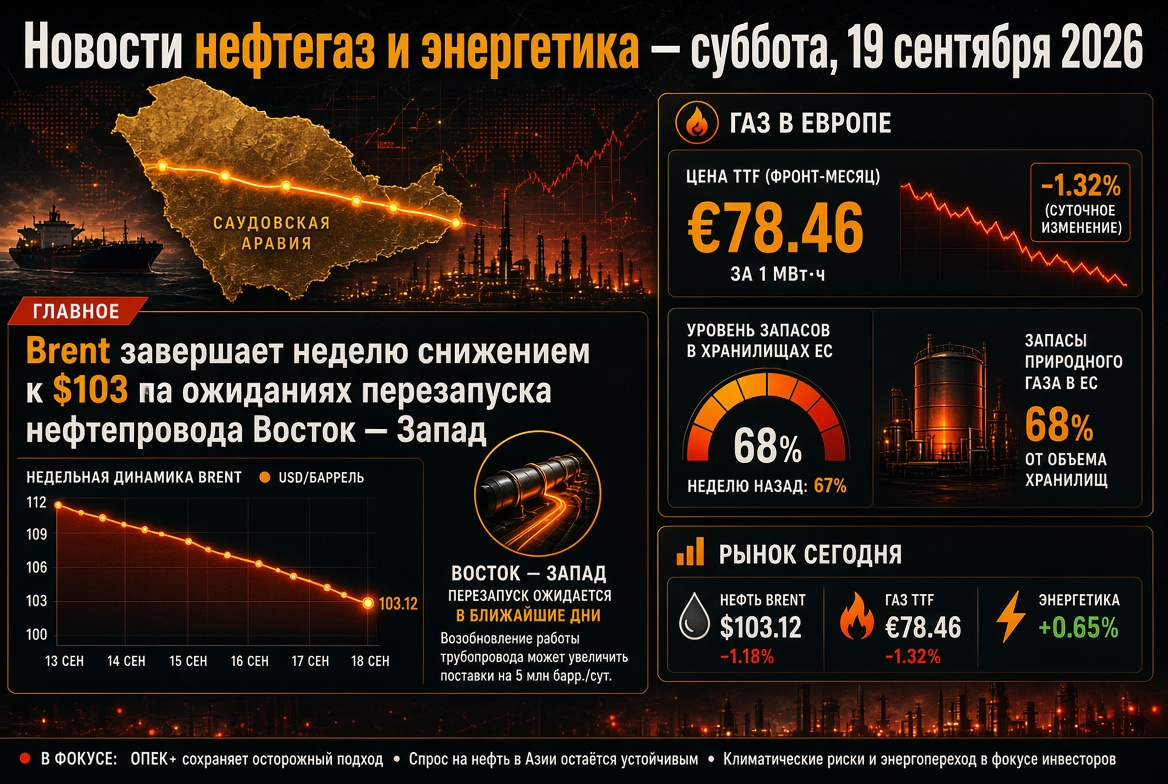
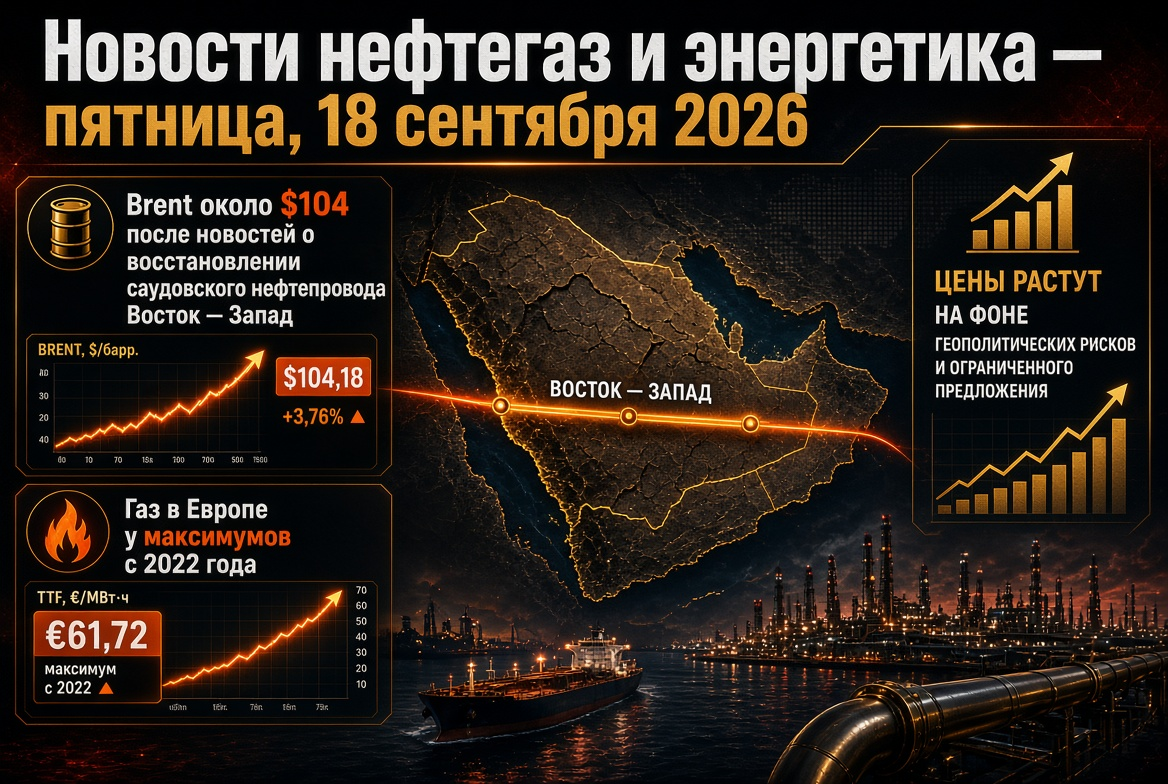
On the global market, heightened attention is being given to oil and the Middle East. Any news around supplies, transportation via key maritime routes, and sanctions can rapidly alter inflation expectations. For investors, this is particularly crucial: rising oil prices support energy stocks but simultaneously elevate inflation risks and may increase pressure on bonds.
On Sunday, investors should assess three market indicators:
- Brent and WTI oil — a signal for inflation, energy, and currencies of resource-generating countries;
- DXY Dollar Index — an indicator of demand for safe assets;
- US Treasury yields — a key benchmark for assessing growth stocks and bonds.
If U.S. CPI turns out to be above expectations, the market may re-evaluate rate trajectories, creating pressure on growth stocks, gold, and emerging market currencies. If inflation slows, an increase in risk appetite and support for stock indices is likely.
What to Pay Attention to as an Investor
Sunday, July 12, 2026, is not a day for active trading but a day for strategic preparation. The key takeaway for investors: the calendar is empty only formally. In the coming days, the market will receive a set of data that could alter expectations regarding rates, corporate profits, and global demand.
Investors should focus on the following priorities:
- Prepare portfolio reaction scenarios for U.S. CPI being above or below expectations;
- Assess the share of U.S. banks and the financial sector in the portfolio;
- Monitor TSMC and ASML as indicators of demand for semiconductors and AI infrastructure;
- Consider the impact of oil on inflation, the ruble, exporters, and bonds;
- Avoid increasing risk ahead of key releases without a predefined plan;
- Check dividend and corporate events for Russian stocks in the upcoming week.
For long-term investors, the current week may serve as a test of the global market's resilience. Should U.S. inflation slow, banking reports confirm profit strength, and China avoids sharp declines in demand, markets may retain a constructive outlook. Conversely, if inflation and geopolitics elevate pressure on rates and oil again, investors could revert to defensive strategies, quality dividend stocks, short bonds, and higher liquidity.