Key Economic Events and Corporate Reports on Tuesday, April 21, 2026, Including the USA, Europe, and Global Markets
Tuesday, April 21, 2026, shapes a busy global agenda for investors. Three main blocks of factors are at the forefront: geopolitics, macroeconomic statistics, and corporate reports from major public companies. This day is significant for global markets due to the interplay of European political agendas, publications on business activity and inflation, and a heavy flow of quarterly earnings in the USA. For the CIS audience, the additional importance lies in the impact of events on oil, currencies, risk appetite, and the dynamics of the broad stock market.
Special attention is drawn to discussions in the European Union regarding new support measures for Kyiv and sanctions policy, the publication of sentiment indicators in Germany and the Eurozone, as well as statistics from the USA on the labor market, real estate, and oil inventories. The corporate front is set to be defined by reports from sectors such as healthcare, defense, industry, finance, transportation, brokerage, and energy.
Main Topics of the Day in Global Markets
- geopolitical risk surrounding the situation between the USA and Iran;
- decisions and signals from the EU Council regarding Ukraine and sanctions policy;
- business sentiment checks in Germany and the Eurozone through ZEW indices;
- signals regarding the American economy through ADP, the housing market, and oil inventories;
- a substantial wave of corporate reports in the USA and the beginning of a new intense period of global earnings season.
For the global market, this day may see a rapid reassessment of risk value. If the political agenda intensifies anxiety, defensive assets and the commodities segment may receive support. Conversely, if the statistics and reports exceed expectations, the story of corporate profit resilience and demand for equities may take center stage.
Geopolitics: The Middle East and EU Agenda
One of the key drivers of the day is the concluding phase of the cease-fire between the USA and Iran. For investors, this is not merely news background; it is a direct factor influencing volatility in oil, transport logistics, and inflation expectations. Any worsening of rhetoric is capable of quickly returning the geopolitical risk premium to the pricing of commodities and energy companies.
Concurrently, the EU Council will be in focus, where the market awaits signals regarding the unblocking of a €90 billion loan for Kyiv and discussions on a new sanctions package against Russia. This is significant for investors for three reasons:
- decisions can impact European bonds and the euro exchange rate;
- the sanctions agenda affects supply chains, energy, and commodity markets;
- any stringent language increases demand for defensive sectors and heightens market sensitivity to political headlines.
Asia-Pacific Session: Inflation in New Zealand
The first macro signal of the day will be the Consumer Price Index (CPI) for New Zealand for the first quarter of 2026. Although the publication relates to a relatively small market, it is critical as part of the global inflation puzzle. As investors continue to assess the trajectory of rates around the world, any signs of persistent price pressures in developed economies impact the valuation of money and risky assets.
If inflation comes in above expectations, the market may increase caution regarding bonds and currencies highly sensitive to interest rate movements. If the numbers are moderate, this will support the argument that the disinflationary process in the developed world is not permanently disrupted.
Europe: ZEW Indices as a Test for Business and Investor Sentiments
Attention will then shift to Europe, where the ZEW indices for Germany and the Eurozone for April will be released. For European markets, this is an important leading indicator reflecting how professional participants view economic prospects in the coming months.
For investors in the global market, two aspects are particularly significant:
- Germany remains Europe's key industrial economy, and its expectations often set the tone for assessments across the entire region;
- the Eurozone is sensitive to energy costs, external trade, and geopolitics, so any changes in sentiment are quickly reflected in the euro exchange rate and European indices.
Weak ZEW values will indicate that the market is incorporating a more sluggish economic momentum in Europe. Conversely, stronger figures may support cyclical sectors, primarily industry, banks, and exporters.
USA: Labor Market, Real Estate, and Oil
The American statistical block on Tuesday has the potential to set the tone for the entire second half of the trading day. In focus will be the weekly ADP employment indicator, data on pending home sales for March, and the evening API statistics on oil inventories in the USA.
The significance of this block for investors is as follows:
- ADP Employment — a quick indicator of the status of the private US labor market, crucial for assessing consumer demand and the trajectory of the Fed's policies;
- Pending Home Sales — a marker of resilience in the housing market and economic interest rate sensitivity;
- API Inventories — an operational benchmark for the oil market, particularly pertinent given the Middle Eastern agenda.
If the US labor market continues to show resilience, and the housing market does not exhibit sharp deterioration, this will support the argument for the robustness of the American economy. However, the market's reaction to stocks will depend on inflationary interpretations: overly strong data may simultaneously support the dollar and cool expectations for rate cuts.
Corporate Reports in the USA Before Market Opening
A strong flow of quarterly reports is expected in pre-market trading, which will become the primary fundamental driver for individual stocks and indices. Among the largest public companies reporting before the market opens are:
- GE Aerospace;
- UnitedHealth Group;
- RTX;
- Danaher;
- Northrop Grumman;
- 3M;
- Halliburton;
- Northern Trust;
- MSCI;
- Equifax;
- Quest Diagnostics;
- Tractor Supply.
These reports are significant not only on their own. They provide a snapshot of the status across several segments of the economy: healthcare, defense, industry, oil services, financial infrastructure, and consumer demand. Particularly sensitive will be the shares of UnitedHealth Group as an indicator of the healthcare sector, RTX and Northrop Grumman as barometers for defense orders, and Halliburton — as an indicator of activity in the oil and gas services.
Corporate Reports After Market Close
After the main session concludes, the market will continue digesting quarterly results. Among the major companies reporting after market close, key players include:
- Intuitive Surgical;
- Chubb;
- Capital One Financial;
- América Móvil;
- Western Alliance Bancorporation;
- EQT;
- Interactive Brokers;
- United Airlines;
- W.R. Berkley;
- Equity Lifestyle Properties.
This list is particularly vital for assessing three themes:
- the quality of consumer credit and bank balance sheets;
- the resilience of the insurance business and pricing discipline;
- demand for transportation, trade activity, and behavior of corporate clients.
Special attention should be given to Capital One and Western Alliance as indicators of the credit cycle, Interactive Brokers as a marker of activity among retail and institutional investors, and United Airlines — as a reflection of business and consumer mobility.
Europe, Asia, and Russia: Additional Focus Areas
While the bulk of reporting on Tuesday is concentrated in the USA, global investors will already be pricing in the next corporate block in Europe and Asia. The focus of the upcoming international window includes large companies from the Euro Stoxx 50 and the Asian technology segment, where the market anticipates results from issuing companies such as ABB, L’Oréal, EssilorLuxottica, Roche, Nestlé, SAP, and SK Hynix.
For CIS investors, the Russian context is also important. Even if there are few major publications from MOEX on Tuesday itself, the Russian market will remain sensitive to two external factors:
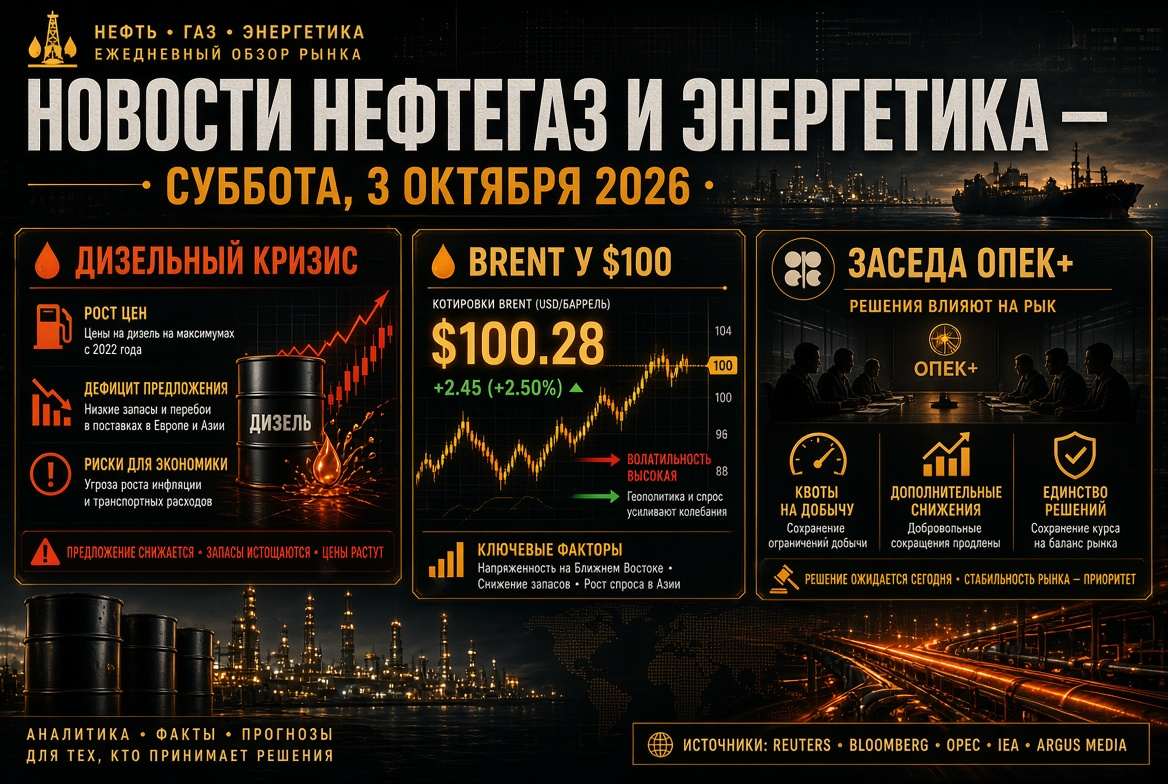
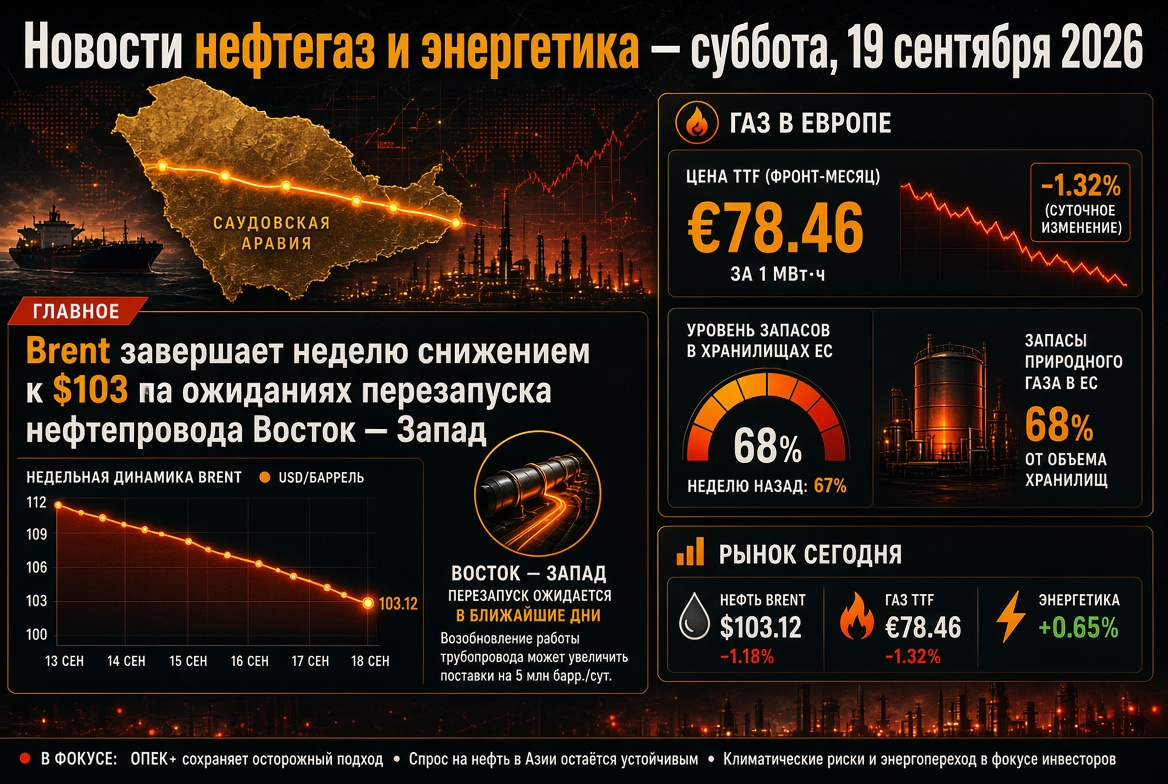
- oil prices against the backdrop of Middle Eastern developments and API data;
- the EU sanctions agenda and its potential impact on the ruble exchange rate, exporters, and the broader stock market.
An additional technical point for the day is the absence of trading in Brazil. This reduces liquidity in part of the Latin American segment and may make movements in specific stocks and currencies in the region less representative.
What to Watch for Investors at the End of the Day
On Tuesday, April 21, 2026, investors should not focus on a single publication but a combination of factors. The most crucial logic of the day appears as follows:
- if geopolitics deteriorates, the role of oil, defensive sectors, and the dollar increases;
- if European leading indicators are weak, the euro and cyclical sectors may remain under pressure;
- if US data and corporate reports are strong, the market will gain a rationale for maintaining global profit resilience;
- if API oil inventories report an unexpected decline, the commodities sector could receive additional momentum.
The main takeaway for investors is simple: this is a day when news, macro statistics, and corporate reports will work simultaneously. As a result, the market can quickly transition from targeted movements in individual stocks to broad sector rotations. In practice, this means that on Tuesday, it is particularly important not only to analyze the numbers but also to observe how they alter expectations regarding rates, oil, corporate profits, and global risk appetite.