Energy and Natural Gas Sector News for Sunday, January 25, 2026. Global Overview of the Energy Market: Oil, Gas, Electricity, Renewables, Coal, Oil Products, Geopolitics, Demand and Supply, Key Trends for Investors and Market Participants.
As January 2026 draws to a close, the situation in global oil and gas markets remains ambiguous. Oil prices have recently gained support due to renewed geopolitical tensions and high winter demand, with Brent crude stabilizing around the mid-$60-per-barrel mark after several weeks of increase. Simultaneously, concerns linger over a potential oversupply during the year as production remains high and global inventories may begin to rise. The European gas sector is under pressure from an unusually cold winter: gas storage facilities are being depleted at record rates, leading to rising prices from minimal levels, although they remain significantly below the crisis peaks of 2022. By the beginning of the year, Western sanctions against Russia's energy sector have hardened further, forcing Moscow to redirect oil exports to China while previous major buyers—India and Turkey—scale back their purchases.
Meanwhile, the global energy transition continues to accelerate. In 2025, renewable energy sources accounted for nearly half of electricity generation within the European Union—a landmark milestone in the energy transition—although the stability of energy systems still largely relies on traditional resources, particularly during peak demand periods. Global coal consumption, driven by Asia, reached a record level in 2025, highlighting the lingering dependency on fossil fuels despite the rapid growth of the renewable energy sector. In Russia, domestic fuel prices have surged significantly in early 2026 due to tax changes and limited supply, prompting authorities to implement measures to stabilize the domestic oil products market and curb inflation. Below is a detailed overview of key news and trends in the oil, gas, electricity, and raw materials sectors as of this date.
Oil Market: Geopolitical Tensions Heat Prices Amid Oversupply Concerns
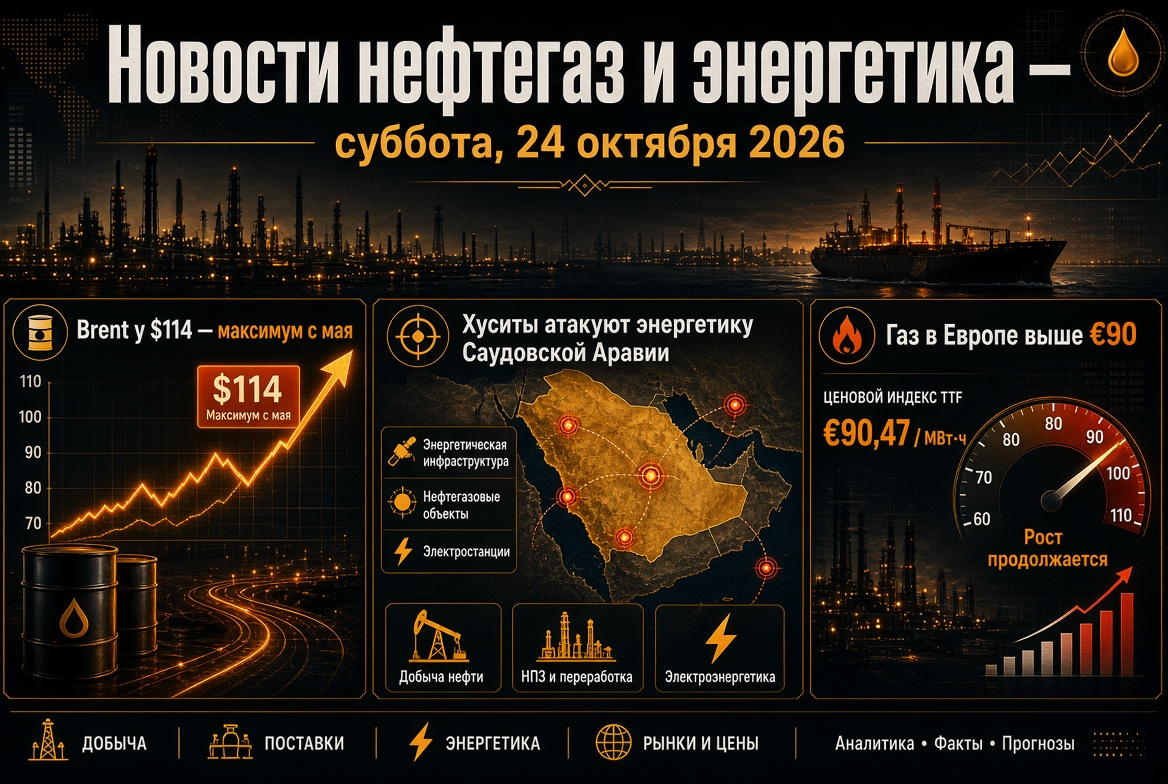
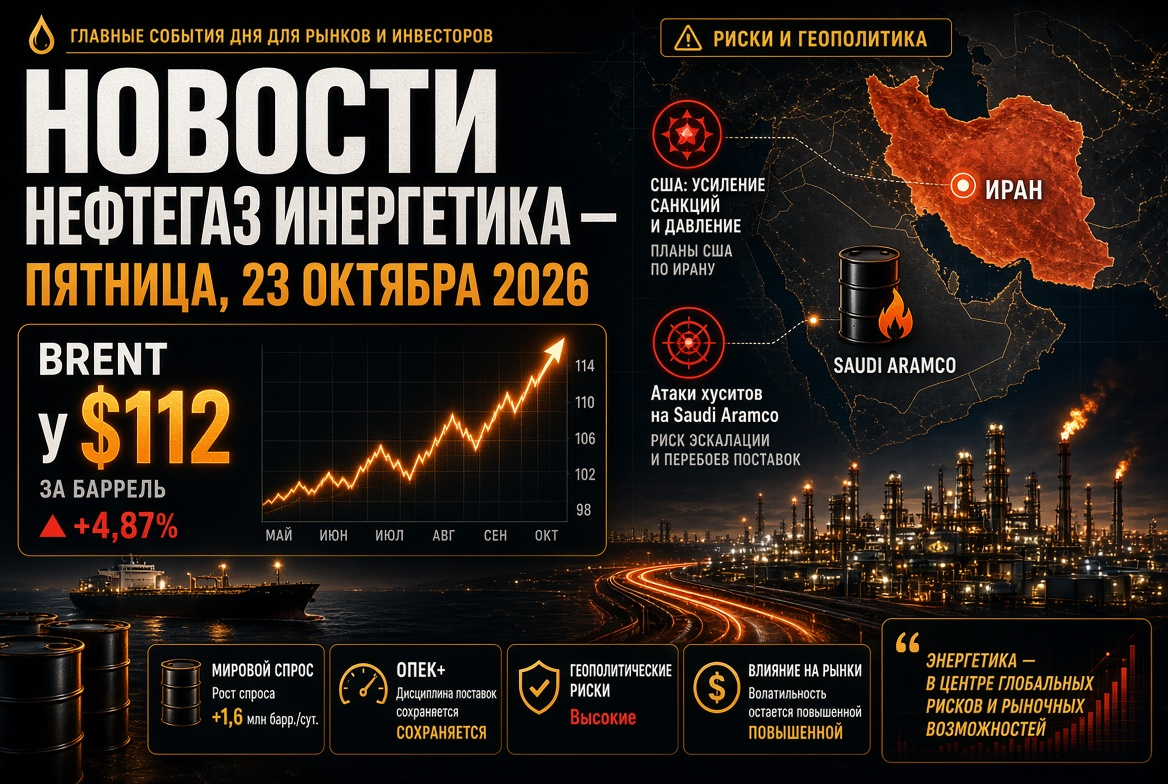
Global oil prices have recently stabilized at relatively elevated levels under the influence of several factors. The North Sea Brent blend is trading around $65–66 per barrel, while the American WTI stands at approximately $61, having recovered from a five-month low reached at the end of 2025. Nevertheless, current prices remain significantly below last year's peaks, and the market is cautious due to signals indicating that supply may exceed demand in the coming months.
- Geopolitical Tensions. Risks of conflict in the Middle East have resurfaced: U.S. President Donald Trump has renewed threats to use military force against Iran, accompanied by a demonstrable increase in naval presence in the region. These events raise the geopolitical risk premium in oil prices, considering Iran's key role as one of the leading OPEC producers.
- Seasonal Demand and Weather. Cold weather in Europe and a powerful winter storm in North America have driven up demand for heating fuels. Demand for oil products (primarily diesel fuel used for heating) is increasing, supporting oil prices despite the overall slowdown in the global economy.
- US Dollar and Financial Markets. The weakening of the U.S. dollar to multi-month lows has made commodities cheaper for holders of other currencies, stimulating additional demand from investors. Concurrently, hedge funds have ramped up their net long positions in oil to a five-month high, indicating a return of speculative optimism to the market.
- OPEC+ Actions. The oil alliance is demonstrating a cautious approach to increasing production. According to the decision made at the OPEC+ meeting in November, members suspended the increase in quotas for January–March 2026, aiming to prevent oversupply during the traditionally weak demand period in the first quarter. The continuation of OPEC+ restrictions supports the market and prevents prices from falling.
Taken together, the current influence of these factors provides relative stability for oil prices and partly offsets the recent downturn in the market. However, analysts warn of the potential emergence of oversupply later in 2026: according to the International Energy Agency (IEA), global oil inventories may begin to rise by several million barrels per day if demand does not accelerate. This factor limits the potential for further price increases—the market is pricing in cautious expectations for the upcoming months.
Gas Market: Europe Depleting Stocks at Record Rates Amid Winter Cold
The focus of the gas market is on Europe, which is experiencing a sharp increase in gas consumption due to severe cold weather. In January, European countries are forced to draw gas from underground gas storage (UGS) at the highest rates in the last five years. According to industry monitoring, the average daily withdrawal volume in the first half of the month reached around 730 million cubic meters, resulting in a rapid reduction of stocks. By January 20, the total storage level in the EU dropped below 50% (compared to about 62% a year earlier), significantly lagging behind the normal seasonal level (around 67% for this date).
The swift decline in inventories has driven up gas prices in the region. Even in late December, gas futures prices at the TTF hub were holding steady in a narrow range of €28–29 per MWh, but by mid-January, prices surged to €36–37 amid forecasts of further cooling and concerns over inventory levels. The market later corrected to €34–35 per MWh, but volatility has significantly increased compared to the calm summer of the previous year. Market participants are closely monitoring weather forecasts: an expected cold wave at the end of the month may require additional LNG imports and further price increases to compete for supplies with Asian buyers.
Despite the extreme seasonal demand, Europe is currently avoiding acute shortages thanks to diversified supply sources. Norwegian pipeline gas is flowing in stable volumes, and LNG imports remain high— in 2025, EU countries received around 81 billion cubic meters of LNG, more than half of which (57%) was supplied by the USA. Meanwhile, Europe’s dependence on American LNG continues to grow, raising concerns among some experts, as excessive reliance on a single supplier contradicts the goals of the REPowerEU program to strengthen energy security through supply diversification. The EU's complete rejection of Russian gas imports starting in 2026 exacerbates this trend: with the departure of Russian pipeline gas, the European market is becoming increasingly reliant on global LNG supplies and weather factors. Experts also warn that significant depletion of stocks during winter will complicate the task of replenishing UGS for the next heating season and may force Europe to procure gas in summer at higher prices.
International Politics: Sanction Pressures Intensify, Energy Flows Restructured
At the end of 2025, the West imposed new stringent restrictions on the Russian oil and gas sector, further complicating the trade in energy resources from the Russian Federation. In December, the USA and EU expanded their sanctions lists, directly targeting the largest Russian oil companies (including Rosneft and Lukoil) and maritime transport for the first time. Additionally, the European Union closed any remaining loopholes in the fuel embargo by banning the import of oil products produced from Russian oil in third countries—a measure that severely impacted re-export schemes through India and Turkey. Finally, as of January 1, 2026, a legally enshrined complete ban on the purchase of Russian natural gas came into effect in the EU, marking the actual conclusion of a prolonged process to reduce Europe's energy dependence on Russia.
These steps have compelled Moscow to actively refocus its energy exports toward friendly markets. In January 2026, China sharply increased its purchases of Russian oil, compensating for declining sales to India and Turkey. According to traders' estimates, seaborne supplies of Russian oil to China reached nearly 1.5 million barrels per day—up from approximately 1.1 million in December— including record volumes of Urals grade for Chinese refineries (over 400,000 barrels per day). At the same time, Russian deliveries to India decreased to less than 1 million barrels per day (from an average of about 1.3 million in 2025), and Turkey reduced imports of Urals to around 250,000 barrels per day (compared to 275,000 for the average year and peaks of 400,000 in the summer of 2025). The surplus of unsold Russian barrels has intensified price differentiation: the discount on Urals in Asia widened to $10–12 against Brent, reflecting limited opportunities for redirecting flows.
The decline in Russian oil purchases from India and Turkey is largely tied to sanction restrictions on oil products trade. As the EU banned imports of diesel fuel and other products made from Russian oil, Indian and Turkish refiners lost part of their market share in Europe and were forced to reduce the share of Russian crude in their feedstock. India has preemptively announced its readiness to fully replace Russian oil with alternative sources in the event of stricter sanctions: Oil Minister Hardeep Singh Puri noted that the country has planned an import diversification strategy in case of U.S. secondary sanctions against buyers of Russian crude. Thus, sanction pressures are gradually reshaping global energy flows: Russia’s share of the European markets is approaching zero, while Moscow's dependence on exports to China and other Asian countries is steadily increasing.
Meanwhile, the prospects for easing geopolitical tensions remain elusive. The war in Ukraine continues without signs of a swift resolution, and diplomatic contacts between Russia and the West are minimal. Consequently, energy sanctions are unlikely to be eased in the foreseeable future, and companies must adapt to new long-term trading routes and conditions.
Asia: Demand Rises, Countries Balance Between Import and Domestic Production
In China, demand for energy resources remains high, although its growth rate has slowed in tandem with the cooling economy. The country is still the world's largest importer of oil and natural gas but is simultaneously increasing domestic production and entering long-term agreements to diversify supplies. In 2025, Chinese companies signed record contracts for LNG imports (including decades-long arrangements with Qatar) and increased purchases of pipeline gas from Central Asia and Russia. Concurrently, Beijing is making large-scale investments in renewable energy and electric transport, aiming to gradually reduce the economy's dependence on fossil fuels.
India is rapidly emerging as a leading player in energy consumption growth. In December 2025, domestic consumption of oil products reached a record 21.75 million tons (about 5 million barrels per day), increasing by 5% year-on-year. Experts estimate that up to a quarter of the total increase in global oil demand in 2025 came from India. The Indian government prioritizes energy security: strategic reserves are being expanded, production is being stimulated at new fields, and state-owned refineries achieved record exports of oil products last year. Concurrently, the country is increasing its renewable energy generation capacities, but to maintain energy balance, it is still actively using coal-fired power plants. Therefore, the Asian giants China and India continue to increase their combined energy consumption, balancing between rising imports and the development of domestic production, which makes them key players in the global energy market.
Energy Transition: Record Performance of Renewables and Balance of Traditional Generation
The shift towards low-carbon energy worldwide is gaining momentum. In 2025, many countries reported record levels in clean energy: for instance, the share of renewables exceeded 48% in the EU's electricity generation, and global installed capacities for solar and wind power plants grew by more than 15%. Investment in renewable energy and related technologies (grids, storage systems) also reached historical highs, outpacing capital expenditures in oil and gas extraction projects. Major economies (China, the USA, the EU) announced extensive programs to stimulate green energy and decarbonization aimed at achieving carbon neutrality within 20–30 years.
However, the rapid growth of renewables presents challenges for energy systems. The variable nature of generation from solar and wind plants requires backup capacity and energy storage infrastructure. During adverse weather periods (calms, droughts), countries are forced to rely on traditional power plants—gas, coal, or nuclear—to ensure stable electricity supply. Many governments are postponing the decommissioning of coal-fired power plants and investing in gas “peaking capacities” for load balancing until new energy storage technologies (such as industrial batteries, hydrogen solutions) achieve wide implementation. Thus, global energy balance is undergoing transformation: the share of renewables is steadily increasing, but fossil fuel continues to play a key role in ensuring reliability in energy supply.
Coal: Global Demand Reaches Historical Peak, Anticipating a Downturn
Despite efforts for decarbonization, the global coal market in 2025 demonstrated record consumption levels. According to the IEA, global coal consumption rose by about 0.5% and reached approximately 8.8 billion tons—a new historical maximum, mainly driven by increased coal burning in Asia's power generation. China and India, facing rising electricity demands, continue to commission modern coal-fired power plants, compensating for declines in coal demand in Europe and North America. High natural gas prices in recent years have also prompted some Asian consumers to temporarily switch to cheaper coal.
However, most analysts agree that the current peak in coal demand may be the last. Projections from the IEA and other organizations indicate stabilization and gradual decline in global coal consumption by the end of the decade as many renewable and nuclear generation facilities come online. Already in 2026, a symbolic contraction in coal demand is expected, primarily due to reductions in electricity generation in China, where the government has set a goal to decrease the use of coal in the energy mix. International coal trade is also likely to contract: key importers are striving to reduce dependence on coal generation, which may weaken the export potential of suppliers like Australia, Indonesia, South Africa, and Russia. Nevertheless, in the short term, coal continues to play a significant role, providing baseload power in many developing countries.
Russian Oil Products Market: Fuel Prices Rise and Stabilization Measures
The domestic fuel market in Russia has been experiencing price pressure since the beginning of 2026. In the first weeks of January, retail prices for gasoline and diesel continued to rise: according to official data, fuel prices increased by about 1.2–1.3% over just two weeks, significantly outpacing overall inflation. The primary factors contributing to this trend are the increase in the tax burden (the VAT rate was raised from 20% to 22% as of January 1, and excise duties on oil products increased by about 5%) and the ongoing relatively limited supply in the domestic market. In 2025, the cost of motor fuel in Russia increased by 8–11%, surpassing the growth rate of consumer prices, and this trend has continued into the new year, raising concerns among authorities.
The Russian government, in collaboration with oil companies, is taking measures to normalize the situation in the fuel market. A damping mechanism continues to operate, partially compensating producers for the difference between export and domestic prices, although declining export revenues limit the possibilities for subsidization. Monitoring of exchange prices for gasoline and diesel remains intensified, and relevant authorities are requiring producers to increase supply to the domestic market. Earlier, in the autumn of 2025, authorities already resorted to temporary export restrictions on oil products to reduce domestic prices; with the ongoing price increases, similar measures in 2026 cannot be ruled out. Long-term solutions are also being considered, such as adjustments to tax policy or the creation of minimum fuel reserves to enhance market resilience to shocks. Stabilizing prices at gas stations is a priority due to its impact on the socio-economic situation and inflation.