Key Takeaways for Wednesday Morning, July 29, 2026
- Oil. Nearby Brent futures are trading around $86-87 per barrel, while WTI is about $81. On Monday, both benchmarks lost around 8%—the steepest one-day decline in several months.
- Geopolitics. The U.S. has paused a series of night strikes against Iran; Washington cites a "pause for negotiations," while Tehran has yet to confirm any concessions.
- Logistics. Net oil and petroleum product exports via the Strait of Hormuz averaged around 2.9 million barrels per day for the week ending July 24, compared to 5.9 million bpd the previous week.
- Gas. The TTF spot price rose to approximately ~$744 per thousand cubic meters, up from ~$532 on average in June—the highest since December 2022.
- Electricity and Renewables. Solar power generation has, for the first time, accounted for about 25% of electricity production in the EU, surpassing nuclear, gas, and wind.
- Russia. The ban on gasoline exports has been extended until the end of 2026, and the import damping was expanded to include diesel fuel.
Oil: Market De-escalates War Premium
The key topic in the oil market is the speed at which the geopolitical premium is dissipating. On July 23, Brent hit a six-week high amid the twelfth consecutive night attack by the U.S. on Iranian facilities and escalating tensions in the Red Sea. After reports of a halt in strikes, prices opened the week with a collapse: first to $86.8, then below $85—marking the first time since July 17. By Monday evening, the market had recovered some losses, but the decline continued, leading to closure near three-week lows by Tuesday-Wednesday.
Fundamentally, the market is being pulled by three forces:
- Diplomatic Hope. The pause in strikes is interpreted by traders as an opening for a deal and a harbinger of the unlocking of shipping lanes.
- Physical Shortages. Supplies via Hormuz remain half of the norm, with insurance rates for vessels in the risk zone significantly higher than pre-war levels.
- Return of Supply. The partial return of Iranian barrels to the market increases competition for Asian buyers and exerts downward pressure on differentials.
Analysts from investment banks previously raised their Brent forecast for 2026 to $85, factoring in prolonged disruptions in the strait. The current de-escalation positions this forecast more as an upper than a lower boundary of the scenario.
Strait of Hormuz and Red Sea: Bottleneck in Global Energy Supply
Before the conflict, the Strait of Hormuz accounted for approximately a quarter of maritime oil trades and about 20% of global LNG. Currently, the flow has only partially recovered: tankers mainly navigate the northern corridor along the Iranian coast, with pumping rates being unstable from week to week.
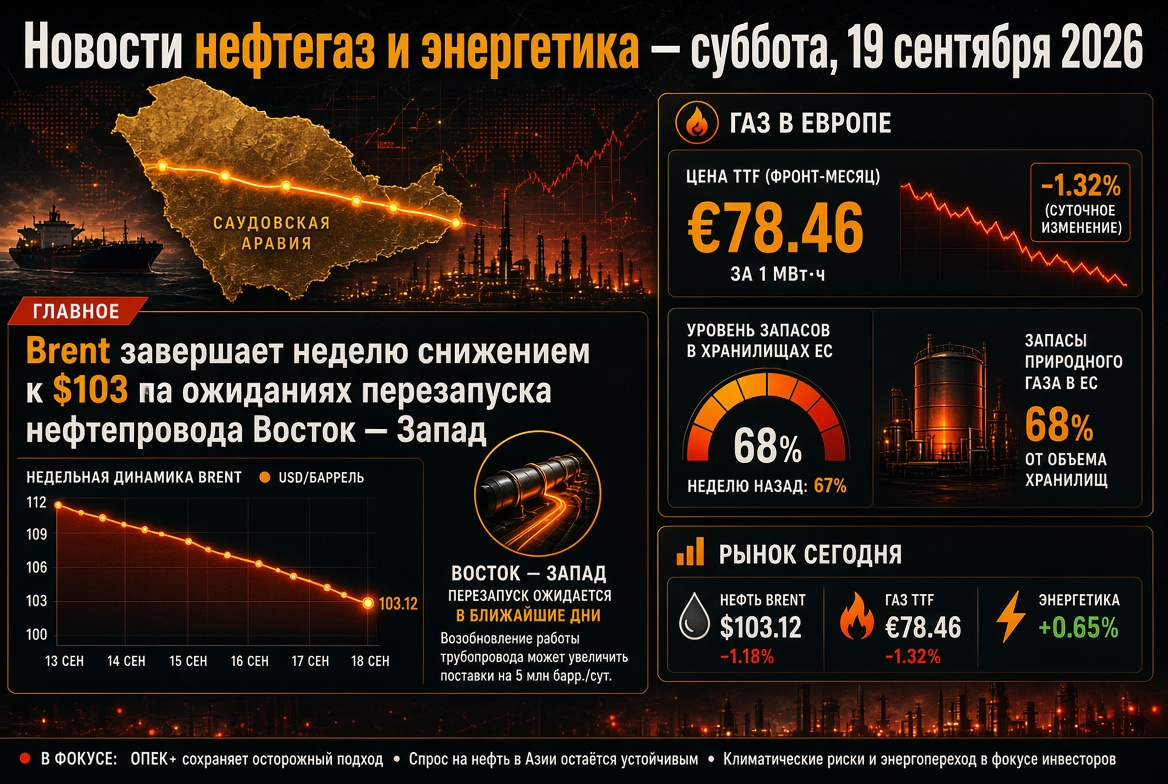
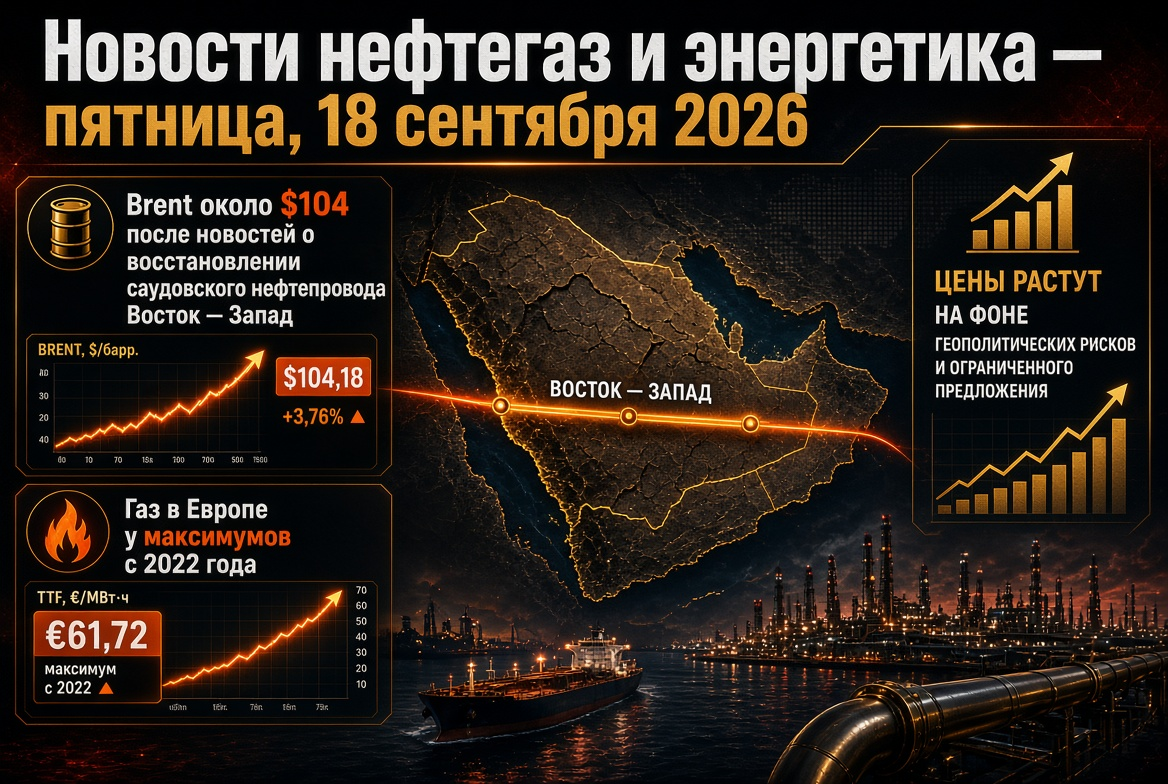
Simultaneously, a second route has seen increased tensions. Yemeni Houthi rebels have claimed responsibility for attacks on the "East-West" oil pipeline which connects Saudi Arabian oil fields to the port of Yanbu on the Red Sea, as well as assaults on infrastructure around Jazan. This pipeline serves as the main workaround in the event of a blockage of Hormuz, thus any prolonged disruptions to its operation would instantly revive risk premiums in oil and freight quotes.
OPEC+: Quotas Increase, Actual Production Lags
Officially, the alliance continues to pursue a course of softening restrictions. The collective ceiling for the "seven" key participants was raised in July to 30.633 million bpd, compared to 29.548 million bpd in June. However, actual volumes are far from permitted levels:
- Saudi Arabia produced approximately 3.44 million bpd below its quota;
- Iraq — 2.38 million bpd below;
- Kuwait — 1.18 million bpd below;
- Russia averaged 8.928 million bpd in June, falling short of plan by 834,000 bpd;
- Kazakhstan, on the contrary, exceeded its quota by more than 1.15 million bpd.
The lag in Middle Eastern participants is attributed not to discipline, but to the physical inability to export crude. The UAE’s exit from OPEC and OPEC+ on May 1 further diminished the manageability of the deal. The practical takeaway for the market: the alliance has accumulated significant "sleeping" export potential, which will flood the market immediately after shipping normalized—this is the main medium-term bearish factor for oil.
Gas and LNG: Europe Pays for Delayed Injection
The European gas market is moving in the opposite direction to oil. As of July 19, EU underground storage was filled to approximately 54% (around 57.7 billion cubic meters)—almost 16 percentage points below the five-year average. Injection rates are slowing down: daily replenishment was around 308 million cubic meters in June, dropping to about 270 million cubic meters in July, compared to 338 million cubic meters a year earlier.
Why Gas Prices Are Rising
- LNG imports in July could drop to around 6.5 million tons—the lowest in two years and about a quarter of the year-on-year decline;
- Asia is buying up available cargoes: for the Asia-Pacific region, this is about current consumption; for the EU, this is about reserves;
- Qatar is gradually restoring shipments from Ras Laffan and promises to return the majority of its capacities within two months after full opening of the strait;
- Starting January 1, 2027, the EU will implement a ban on Russian LNG imports under long-term contracts, and pipeline gas will be banned from September 30, 2027.
Conservative estimates suggest that by early November, EU UG storage may only reach about 75% capacity—close to a historical minimum. This keeps winter contract premiums high and renders European industry structurally vulnerable for yet another heating season.
Coal: Correction After Escalation
The coal market reacts to oil and gas volatility with a lag. In mid-July, European energy coal indices surged above $118 per ton following oil and gas price hikes, but last week quotes have corrected downward in Europe, China, and Australia. Stocks in the nine largest ports of China remain around 29 million tons, limiting growth potential.
For Russian exporters, the picture is mixed. Throughput via Black Sea and Azov Sea ports increased by 21.5% in the first half of the year to 13.9 million tons, supporting overall exports. However, sanctions, high railway tariffs, and the strengthening ruble are squeezing margins, while competition for Turkish and Asian markets is intensifying. The long-term benchmark is set by China's five-year energy development plan for 2026-2030: demand for coal and oil is expected to peak within the next five years, after which they transition to reserve sources.
Electricity and Renewables: Record Sun and High Evening Prices
In June, solar power plants for the first time accounted for about 25% of electricity generation in the EU, surpassing nuclear generation, gas, and wind; 18 EU countries set monthly records. On certain days, the share of renewable energy in Germany approached 74%, with solar generation hitting 37.5%.
The flip side of these records is the growing volatility in electricity prices. A lack of storage systems leads to daytime surpluses being lost, while evening peaks are met with expensive gas and coal generation. An additional factor is restrictions on French nuclear power plants due to river water temperatures during heatwaves. For investors, this shifts the focus from establishing new renewable capacities to networks, battery storage, and flexible demand.
Russia: Fuel Market, Refineries, and Dampers
The domestic market for petroleum products remains under manual control. The existing package of measures includes:
- a total ban on gasoline exports, extended until the end of 2026;
- a ban on the export of diesel fuel, marine fuel, aviation kerosene, and gas oils;
- reduction of mandatory stock exchange sales of gasoline from 15% to 10% for the period from July 1 to September 30;
- maximum loading of refineries, reduction of current repair times, and postponement of planned maintenance;
- import damping extended from July to gasoline, and after the amendments to the Tax Code—also to diesel fuel and medium distillates (until July 2027);
- zero import duty and increased supplies from EEU countries.
A mechanism for accounting direct contracts in the calculation of exchange standards is also being prepared—the authorities aim to mitigate the risk of local shortages in regions.
Export of Russian Oil: Discounts vs. Budget
Physical volumes of Russian oil exports are near their highest levels since the beginning of the year, but pricing components are deteriorating. The Urals discount in early July rose by about $3 per barrel compared to June; on an FOB basis at Baltic ports, the spread to Dated Brent was estimated to be in the range of $25-28 per barrel against a five-year average of about $19.8. The average price used for the calculation of MET in July was around $50.4 per barrel compared to $63.5 in June.
Given that the budget is based on Urals at around $59 per barrel, and the deficit already significantly exceeds the annual target, the July price decline will impact treasury revenues in August. The return of Iranian barrels to the Indian market enhances competition and increases the likelihood of further discount expansions.
What Energy Market Participants Should Monitor in the Coming Sessions
- U.S.-Iran Negotiations Format: Confirmation of direct contacts could push Brent into the $75-80 range.
- Transportation Dynamics Through Hormuz: A return to 5-6 million bpd will signal an end to the supply crisis.
- Houthi Attacks on Saudi Infrastructure: Strikes on Yanbu and the "East-West" pipeline will immediately revive risk premiums.
- Gas Injection Rates into EU UG Storage: Lagging behind schedule in August indicates an expensive winter and high TTF.
- Restoration of LNG Shipments from Qatar: A crucial factor for the balance between Europe and Asia.
- OPEC+ Decisions on September Quotas and participants’ real ability to meet them.
- Russian Exchange Quotes for Gasoline and Diesel amidst prolonged export bans and import damping.
The conclusion for investors and energy market participants: oil is entering a phase of price normalization amid persistent logistical anomalies, gas remains the tightest segment of global energy, coal is trading sideways, and the electricity sector increasingly depends on network flexibility rather than installed capacity. Any of these points can alter the entire configuration of the commodity and energy market in a single session.