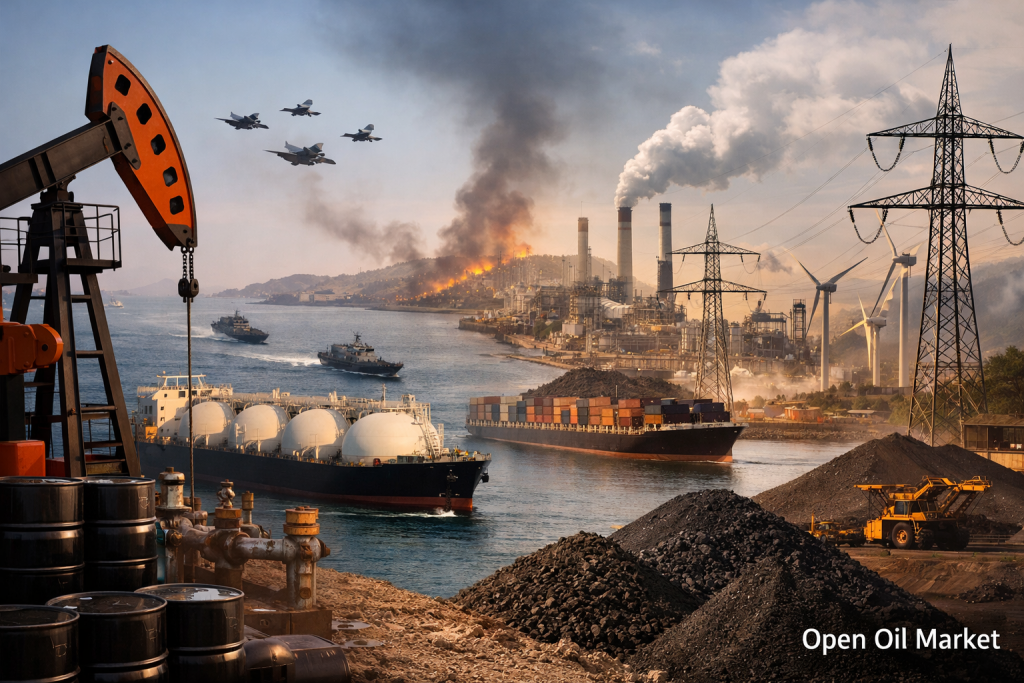
Current News in Oil, Gas, and Energy as of April 3, 2026, Including Oil, Gas, LNG, Refineries, Electricity, Renewable Energy, and Coal
The global fuel and energy complex enters Friday, April 3, 2026, in a state of heightened turbulence. The main driver for oil, gas, petroleum products, electricity, and raw material logistics is the sharp increase in geopolitical risk premiums. Participants in the energy market are evaluating the implications of supply disruptions through the Middle East, export route reconstructions, increased demand for alternative LNG volumes, and accelerated responses from refining, electricity, and renewable energy.
For investors, oil companies, fuel firms, refineries, petroleum product traders, gas market participants, electricity sectors, coal industries, and renewable energy sectors, the key question right now is: will the supply deficit persist, and how long will the market remain in a high-energy-cost mode? In these conditions, oil, gas, and energy are not just industry topics; they are becoming central factors in the global macroeconomy.
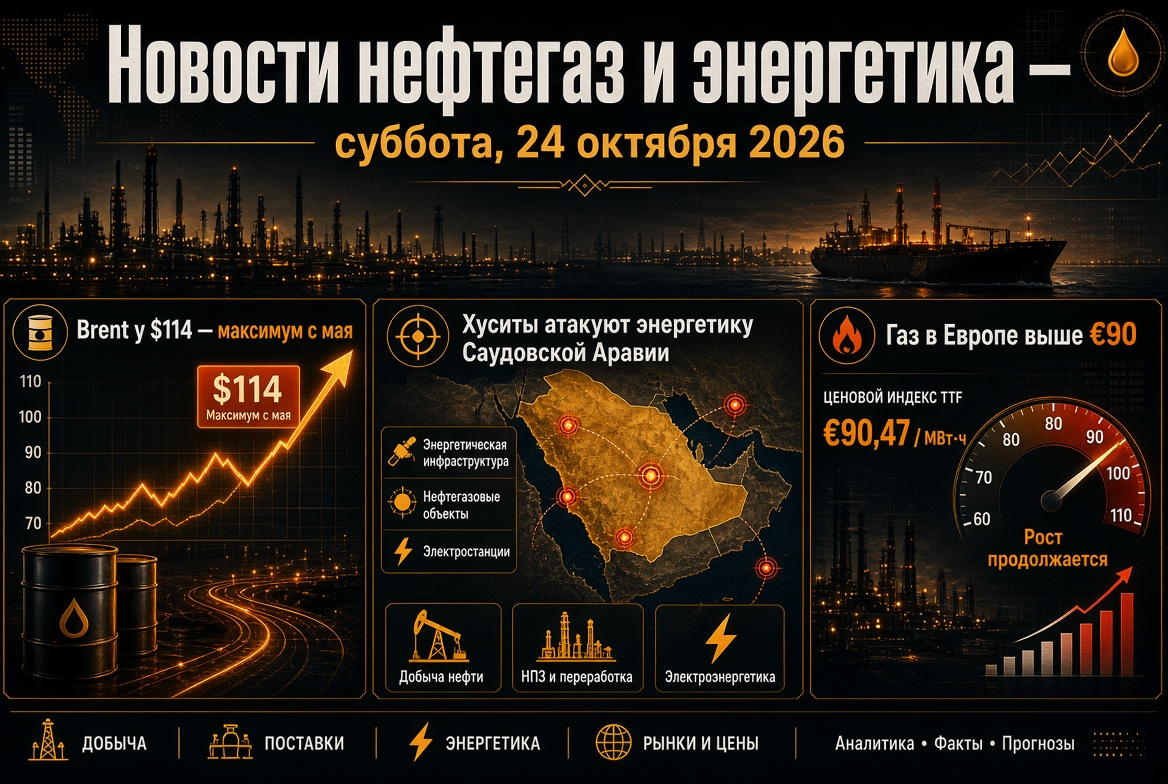
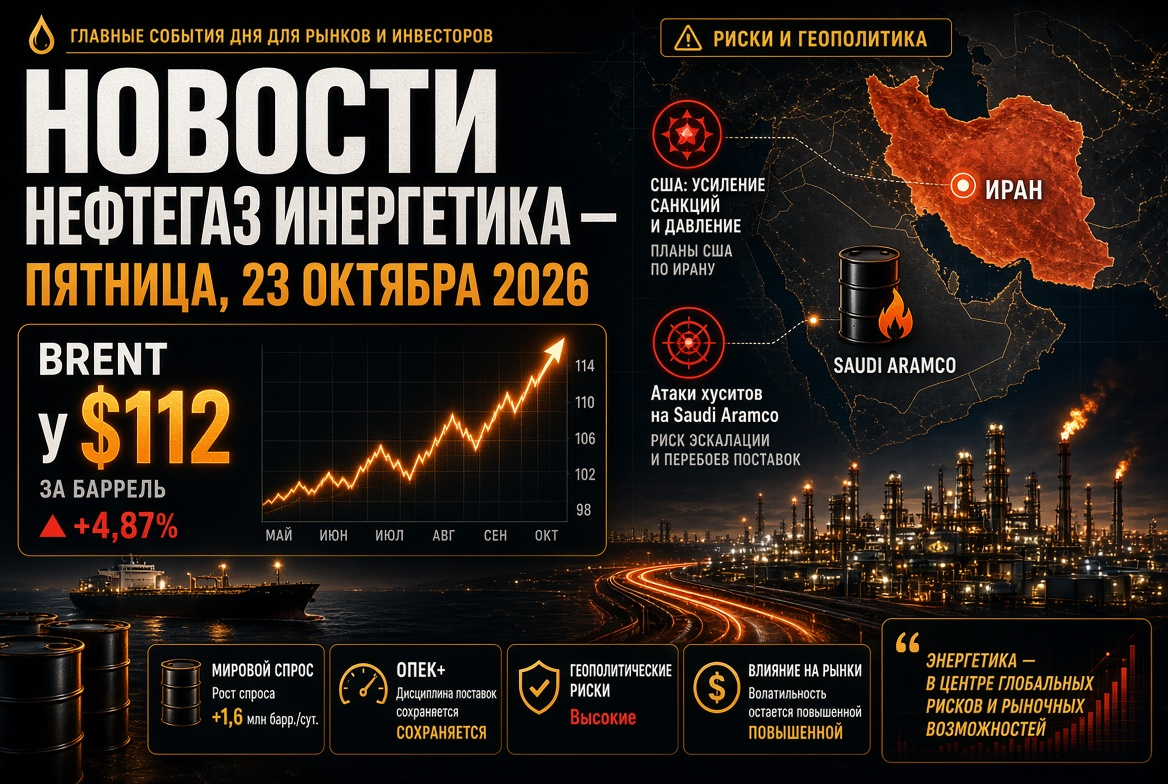
Oil: The Market Prices in a High-Risk Premium
The oil market finishes the first week of April with a sharp increase in volatility. Brent and WTI are responding primarily not to fundamental demand, but to the risk of supply disruptions and transportation corridor limitations. For the oil market, this signifies a shift from a calm assessment of balances to a scenario where every new headline can instantly alter price expectations.
- The primary factor is the threat of prolonged supply disruptions from the Middle East.
- The second factor is the decreased predictability of marine logistics and insurance costs.
- The third factor is the limited ability of the market to rapidly replace missing volumes.
Even if part of the current price surge is adjusted, the very level of risk premium has already changed market participant behavior. Oil companies and traders are forced to operate with more expensive hedging, while consumers of oil and petroleum products must budget for a higher range of prices. For the global market, this signifies increased inflationary pressure and greater sensitivity to any news regarding supplies.
OPEC+ and Supply: The Market Awaits a Signal, but Quick Effects Are Limited
Investor attention is shifting towards OPEC+ decisions, as the cartel and its allies remain the main source of potential additional supply. However, even in the case of formal quota increases, the market does not receive immediate relief. There is a time lag between announcement, actual production, logistics, and physical delivery, and part of the export infrastructure remains vulnerable to geopolitical restrictions.
Against this backdrop, the market evaluates not only the possible increase in production volumes but also their quality:
- Which countries can realistically ramp up exports quickly?
- How resilient are alternative supply routes outside logistic bottlenecks?
- Will additional production be able to reach key markets in Asia and Europe quickly?
For the oil and gas sector, this is fundamentally important. Formally free capacities may appear impressive, but in real terms, the available increase in supply often falls significantly below expectations. Therefore, even potential support from OPEC+ is viewed by the market more as a stabilizing signal than a comprehensive solution to the problem.
Gas and LNG: Europe and Asia Intensify Competition for Molecules
The gas market remains the second key front of tension. LNG is once again becoming the main balancing tool, and competition for supplies between Europe and Asia is intensifying. For Europe, the issue is particularly sensitive: it needs to maintain price control, replenish stocks, and protect industry from a new wave of energy costs.
Several important trends are emerging in the gas market:
- Europe enters the injection season under tougher conditions regarding gas availability.
- Low stock levels in several countries heighten dependence on LNG imports.
- Any disruptions in the Middle Eastern direction raise supply costs for buyers worldwide.
Against this backdrop, the record LNG exports from the United States are particularly notable. American volumes are becoming critically important to cover the deficit, and the U.S. is reinforcing its status as the supplier of last resort for the global gas market. For investors, this emphasizes the importance of liquefaction infrastructure, regasification terminals, and gas generation, which directly depends on the stability of LNG supplies.
Petroleum Products and Refineries: Refining Takes Center Stage
While raw oil typically grabs attention in normal market phases, the focus is rapidly shifting towards refining and petroleum products. The current landscape presents refineries with both opportunities and risks. The increase in diesel, gasoline, and jet fuel prices supports refining margins but simultaneously escalates raw material costs, complicating procurement, and increasing dependence on specific oil grades.
The following factors are crucial for the petroleum products market right now:
- Growing export demand for diesel and other light products.
- Disparities in regional supply, especially in import-dependent countries.
- The increased role of refineries capable of rapidly adjusting their product mix.
This situation is already prompting some countries to intensify control over their internal fuel balance. For energy market participants, this indicates that petroleum products could prove to be an even more sensitive segment in the coming weeks than crude oil itself. Refineries boasting sound logistics, flexible processing, and access to stable raw materials will be the ones to benefit.
Electricity: Energy Security Becomes More Important Than Ideology
The electricity sector is reacting to ongoing developments faster than many other industries. As gas and oil prices rise, governments and energy companies are compelled to make the most pragmatic decisions. This means that the ideological debate over the structure of the energy balance takes a backseat to the question of physical system reliability.
Consequently, the global energy landscape is witnessing two concurrent processes:
- Accelerated development of renewable energy and grid infrastructure;
- Temporary support for coal and gas generation where necessary for system reliability.
This approach is already evident in countries reliant on imported fuel. Where there is a risk of LNG shortages, the role of coal, backup capacities, and managed generation is increasing. For investors, this is a significant signal: the electricity sector in 2026 remains a dual-logic sector where both low-carbon assets and capacities that can ensure immediate supply reliability are valued.
Renewables and Networks: Green Energy Gains a New Argument
The events of early April strengthen the position of renewable energy not only as a decarbonization tool but also as a component of national security. Solar and wind generation, energy storage, grid modernization, and distributed energy are increasingly seen as ways to reduce dependence on expensive oil and gas imports.
This is particularly apparent against the backdrop of the continued growth of global renewable capacity. However, the current market phase also highlights another important conclusion: renewable energy alone is not sufficient without investments in networks, storage, balancing capacities, and demand-side digital management. As a result, the spotlight is on:
- Electricity grid companies;
- Energy storage operators;
- Developers of hybrid renewable plus storage projects;
- Larger energy companies with diversified generation portfolios.
For the global energy market, this signifies a transition towards a new model where value is created not only in megawatts of installed capacity but also in the ability to deliver this electricity to the consumer when it is needed by the system.
Coal: The Sector Receives a Temporary Demand Window
The coal market once again finds itself in a favorable position where gas becomes too expensive or physically scarce. For several Asian countries, coal remains the most accessible means to quickly support electricity generation amidst a strained fuel balance. This does not alter the long-term trajectory of the energy transition but significantly increases the short-term investment significance of coal assets and logistics.
The key takeaway for investors is as follows: coal is not returning as a strategic alternative for decades in 2026 but remains a hedge asset in the midst of an unstable gas and oil market. Therefore:
- Coal producers benefit from seasonal and crisis demand;
- Energy companies retain some coal capacities in reserve;
- The electricity market continues to pay a premium for the availability of fuel here and now.
What This Means for Investors and Energy Market Participants
As of April 3, 2026, the global energy complex is entering a phase where it is not the most sensational growth stories that win out, but the most resilient business models. For investors, oil companies, gas traders, refineries, electricity operators, and renewable energy participants, this means the need to look not just at prices but also at companies’ ability to perform amid disruptions.
In the near term, particular attention should be paid to:
- Oil producers with reliable export infrastructure;
- LNG projects and companies involved in gas supply;
- Refineries with strong margins and flexible processing configurations;
- Grid and energy companies that benefit from increased capital investments in electricity;
- Renewable energy projects integrated into a broader energy security system.
The oil market, gas sector, electricity, renewable energy, coal, and petroleum products are now interconnected more than in calmer periods. This is why news in oil and gas and energy at the beginning of April shapes the agenda not only for the industry but also for the entire global capital market. As long as geopolitics remains a dominant factor, the risk premium in the commodity and energy sectors will remain high, and investors will continue to reassess the value of resilience, logistics, and access to physical resources.