Novak has instructed the relevant authorities to explore the possibility of allowing airports to accept aviation kerosene of both Russian and imported origin, amid rising prices and a potential fuel shortage. The Ministry of Transport assures that airports have sufficient reserves in place.
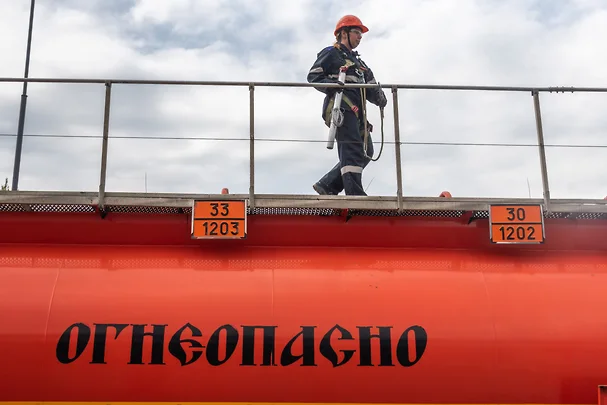
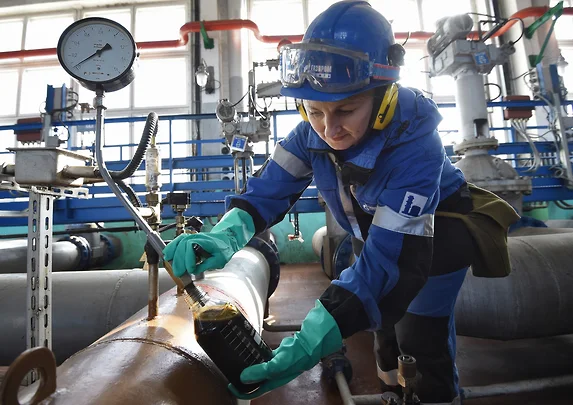
Deputy Prime Minister Alexander Novak has tasked the Ministry of Energy, the Ministry of Transport, and the Federal Air Transport Agency (Rosaviatsia) with examining the issue of Russian fuel supply complexes (TZK) accepting JET A-1 aviation kerosene – both domestically produced and imported. According to two sources familiar with the directives, the proposals should include provisions for refuelling aircraft with this fuel, as well as blending it with the widely used Russian grades RT and TS-1 in the storage tanks of airport fuel supply complexes.
This refers to the most common type of aviation kerosene used in international civil aviation. In Russia, the primary aviation fuel grades remain TS-1 and RT, whereas JET A-1 is considered the international industry standard and is used by most foreign airlines.
In addition, according to sources, the authorities are discussing the retention of the damping mechanism to support consumers of imported JET A-1 kerosene. Novak has instructed that the possibility of providing such compensation for the use of imported fuel be explored, similar to the existing support for Russian-produced kerosene.
The kerosene damping mechanism has been in place for airlines since 2021. The state compensates airlines for 65% of the difference between the export price of the fuel and the annual cut-off price. In 2026, the cut-off price is set at 67,300 roubles per tonne.
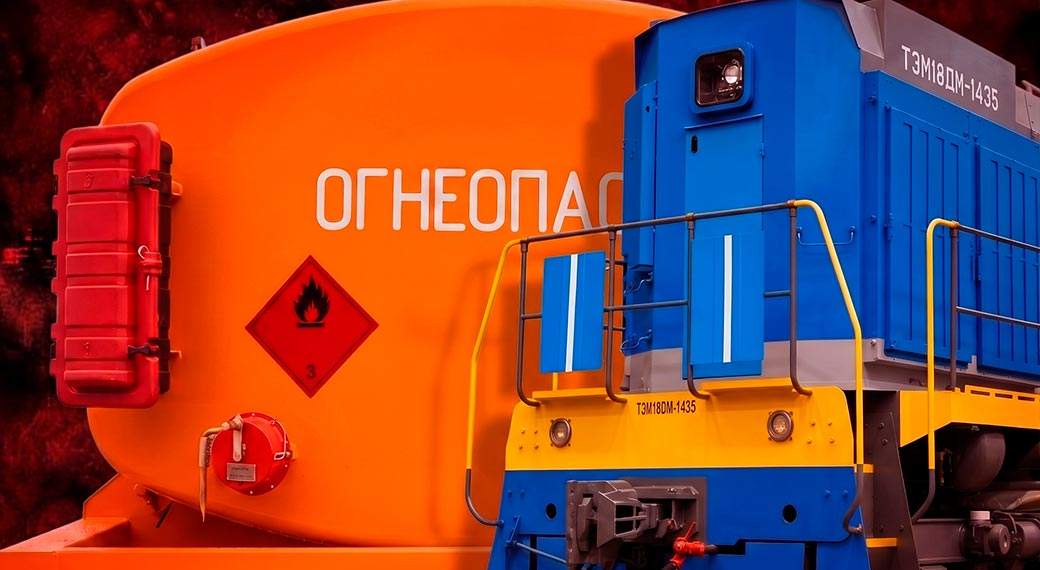
A separate set of directives concerns the logistics of imported aviation kerosene. The Deputy Prime Minister has instructed that the reception of JET A-1 kerosene delivered by sea be examined. This involves identifying discharge ports, terminals, unloading, storage, and subsequent transfer of the fuel to rail transport.
Why is imported fuel needed?
The discussion of additional measures comes against a backdrop of rising aviation fuel prices. Exchange data on aviation kerosene has not been published since 13 May, when the fuel cost was 82,750 roubles per tonne. According to an RBC source in the oil industry, the St. Petersburg International Mercantile Exchange has seen increased demand for aviation fuel: as of Monday, 1 June, the price reached 110,000 roubles per tonne, approximately 33% higher than the last publicly available figure. The corresponding exchange index is currently not displayed on the trading platform’s website.
The RBC source further reported that only 180 tonnes of aviation fuel were sold during the trading session on 1 June. For comparison, over the whole of 2025, the exchange sold approximately 1.674 million tonnes of aviation kerosene.
An RBC source at one of Russia’s major airports says that Rosaviatsia has increased its monitoring of kerosene availability at fuel supply complexes in recent weeks, linked to a potential aviation fuel shortage. The source attributes the shortfall to the increased frequency of Ukrainian drone attacks on Russian refineries since the beginning of May.
The Ministry of Transport, for its part, states that Russian airports have the necessary reserves of aviation fuel.
“Russia’s civil aviation continues to operate its transport programme as normal,” a representative of the ministry told RBC. “Flights are operating on schedule. Several independent aviation kerosene producers are operating across the country, along with alternative fuel supply companies in each region. The situation regarding the supply of energy resources to airports, including those in the capital region, is traditionally under constant monitoring by the Ministry of Transport and the Ministry of Energy.”
The representative recalled the government’s temporary ban on the export of aviation kerosene from Russia until 30 November. “The aim is to ensure a stable situation on the domestic fuel market,” the Ministry of Transport explained.
Sergei Tereshkin, General Director of the oil products marketplace Open Oil Market, believes that this is about relaxing the rules on importing aviation fuel, which would help mitigate the risks of a shortage. Indirectly, this suggests that unscheduled repairs may have affected the output of light petroleum products in general and aviation kerosene in particular, although a fuller picture is available only to regulators who have data on fuel production broken down by specific refineries.
According to him, the logic of the decision is entirely in line with market needs: as the risks of a shortage increase, it makes sense to ease the rules on fuel imports. However, much depends on delivery distance, including from Turkey and China – the closest countries geographically that produce aviation fuel. The expert also noted that the aviation kerosene damping subsidy is paid not to refineries, but to airlines.
Following the US and Israeli attack on Iran and the closure of the Strait of Hormuz, a number of regions experienced a shortage of aviation fuel, and kerosene prices rose. Over two weeks in late April and early May, global airlines reduced the number of seats in their May schedules by 2 million due to concerns about fuel availability in the coming weeks, the Financial Times reported.
When has Russia previously imported aviation kerosene?
The Russian aviation industry has previously faced the need to import aviation kerosene by sea from abroad. At the end of 2010, AeroFuelz, one of the country’s largest fuel supply complex operators, supplied aviation kerosene by sea from South Korea to the Far East on its own tanker with a capacity of 2,500 tonnes. Even taking into account logistics costs and customs duties (then 5%), the prices at the wing allowed the costs of delivering the fuel from abroad to be recovered.
At that time, problems with refuelling aircraft in the region were triggered by high ex-refinery fuel prices, and the import of fuel into the country began for the first time in ten years.
Aeroflot, on Monday, 1 June, in a statement accompanying its first-quarter IFRS results, separately described kerosene costs as “relatively stable” and added that they “did not have a significant impact on the overall cost dynamics”. The company believes that “the main challenges on this front still lie ahead”, but attributes this to the rise in fuel prices at foreign airports, “which will be reflected in the results of subsequent periods”. Aeroflot stated that aviation fuel expenses in the first quarter “remained almost at the level of the first quarter of 2025” – at 70.4 billion roubles – while the average cost per tonne “decreased by 6.2%, but remained high”. “Fuel damping payments increased to the level of the first quarter of 2024 due to the rise in the export price of kerosene,” the airline added.
RBC has sent requests to the Ministry of Energy, the Ministry of Transport, Rosaviatsia, the office of Deputy Prime Minister Novak, as well as to the press services of Aeroflot, S7, Ural Airlines, Azimuth, Azur Air, and UVT Aero.
Source: RBC