Ministers from eight OPEC+ countries convened an online meeting on September 7 to discuss the current state of the oil market, ultimately deciding to continue increasing production by 137,000 barrels per day in October compared to September levels. Experts note that the cartel has reduced the pace of production growth by nearly four times, a move deemed sensible given that the influence of OPEC+ on price trends is minimal under current conditions, while supply from non-participating players continues to rise.
Key Agreements
The eight OPEC+ countries — Russia, Saudi Arabia, UAE, Algeria, Iraq, Kazakhstan, Kuwait, and Oman — have tentatively agreed to raise oil production in October by 137,000 barrels per day from September levels, as stated in an official press release from the oil cartel.
According to the statement, "Considering the sustainable prospects of the global economy and the current favorable market indicators, reflected in low oil inventories, the eight participating countries have decided to adjust production by 137,000 barrels per day from the 1.65 million barrels per day in additional voluntary adjustments announced in April 2023."
The oil cartel emphasized that "the 1.65 million barrels per day may be reinstated partially or completely depending on changing market conditions and gradually."
"The countries will continue to monitor and assess market conditions closely, and in their ongoing efforts to maintain market stability, they reaffirmed the importance of a cautious approach and maintaining full flexibility to suspend or cancel additional voluntary production adjustments," the statement continued.
Russian Deputy Prime Minister Alexander Novak commented on the decision of the OPEC+ member countries during a broadcast on Russia 24, stating that Russia will increase its production by 42,000 barrels per day.
"We are fulfilling our obligations in full. From both a compensation and a volume increase perspective, as established in prior periods. This allows us to ensure growth in production for our oil sector. It positively impacts our economy and the oil industry as a whole. Therefore, all these decisions will continue to be made based on the need to maintain a balance between supply and demand in the global market," he stated.
Saudi Arabia will also increase production by 42,000 barrels per day, while Iraq will raise output by 17,000, UAE by 12,000, Kuwait by 11,000, Kazakhstan by 6,000, Algeria by 4,000, and Oman by 3,000 barrels per day.
According to Dmitry Kasatkin, managing partner at Kasatkin Consulting, the cartel anticipates an improvement in the overall economic situation globally, particularly in the Asian region.
"Overall, the decision appears to be a consistent implementation of a strategy to increase OPEC's market share on the global oil markets. For Russia, it is positive in terms of reducing volumes that need to be compensated under previous quotas. It is crucial to note that OPEC maintains flexibility, and during future meetings, if the monitoring results of supply/demand balance change, quotas may be adjusted. Overall, this decision can be characterized as very cautious, translating to about +0.4% from daily production for Russia," says Kasatkin.
As noted by the cartel, the eight OPEC+ countries will hold monthly meetings to review market conditions, compliance, and compensation. The next gathering will take place on October 5, 2025.
Rationale Behind the Decision
The OPEC+ decision was quite predictable, according to Valery Andrianov, an associate professor at the Financial University under the Government of the Russian Federation.
"The alliance is gradually increasing production despite a rather unstable global market situation. Moreover, this decision seems practically inevitable since, in current conditions, the influence of OPEC+ on the price environment is minimal, and supply from non-participating players is increasing," he stated.
Ekaterina Kosareva, managing partner at VMT Consulting, reminded that in the last 20 years, oil production in the USA has grown 3.5 times, transforming the country from the largest fuel importer globally to a net exporter of oil and petroleum products.
"Currently, the States satisfy more than one-fifth of oil and petroleum products demand in Europe," says Kosareva, noting that not all oil producers may be pleased with this situation, especially as some are cutting production to maintain oil prices and future investments.
Therefore, Andrianov believes the main task at this stage is to gradually increase production at a pace that, on one hand, does not lead to a sharp market decline, while on the other hand, satisfies the appetites of the main alliance participants and prevents external competitors from "stealing" market share.
"It is clear that this will also lead to some dissatisfaction. Countries with greater capabilities and prospects for production growth are pushing for a more aggressive exit from restrictions, while countries lacking such capabilities are interested in maintaining relatively high prices," the source told the editorial team.
Sergey Tereshin, CEO of Open Oil Market, agrees with this perspective, stating that the overall increase in quotas will not be substantial: only 137,000 barrels per day.
"This is the lowest increase in six months. Therefore, the latest decision will not destabilize the market," he believes.
Notably, during the penultimate meeting in August, the eight OPEC+ countries that are voluntarily reducing oil production decided to raise production in September by 547,000 barrels per day.
Outlook for Oil Prices
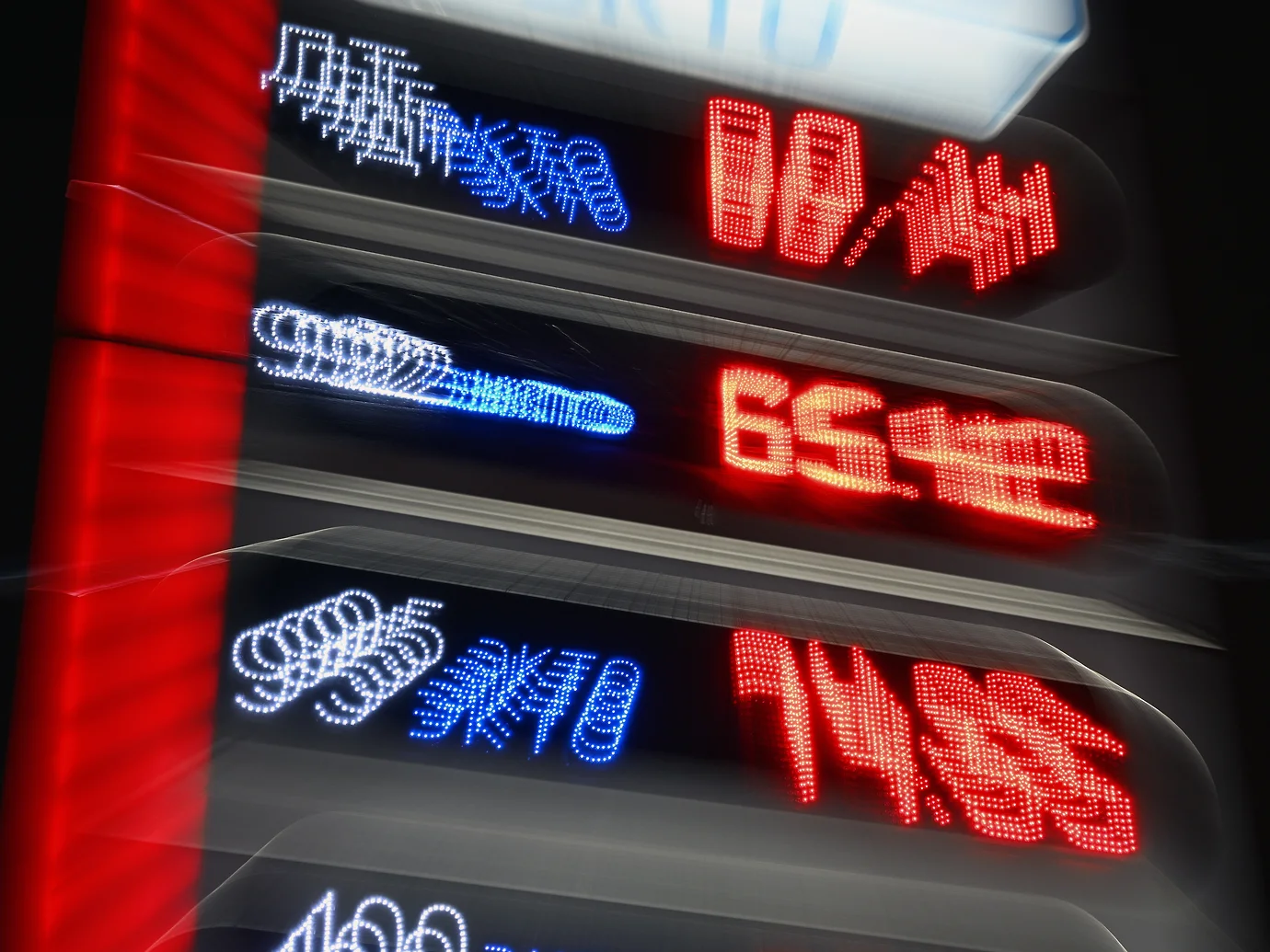
Oil prices began to reflect insider information about the anticipated increase even before the weekend. If on Tuesday, amidst investor skepticism regarding peace negotiations between Russia and Ukraine, Brent was priced at $69.14 a barrel, by the close of trading on Friday, the same volume of crude was valued at $65.50, according to data from the London exchange ICE.
This drop was triggered by information disseminated by Western news agencies concerning the outcomes of Sunday’s meeting of the eight OPEC+ member countries.
Bloomberg, citing its sources, reported that Russia, Saudi Arabia, UAE, Algeria, Iraq, Kazakhstan, Kuwait, and Oman had tentatively agreed to increase oil production in October by 137,000 barrels per day from September levels, while a source from Reuters claimed that the production increase in October could be around 200–350,000 barrels per day.
The market reacted promptly to this increase with a drop in prices, and industry experts currently do not anticipate significant fluctuations in oil prices.
According to Valery Andrianov, the market environment has recently been sluggish in responding to OPEC+ decisions — due to the predominance of other price formation factors and the absolute predictability of the alliance’s actions.
"Prices may experience slight short-term increases in response to external signals, as quantified by trading robotic systems. However, in the medium term, this influence minimizes, giving way to other, more significant factors such as demand from major consumers and the level of geopolitical tension," he elaborated.
Ekaterina Kosareva added that threats of tougher sanctions against Russian oil or other friendly countries could curb further price declines.
By the end of the year, Brent prices are predicted to remain below $70 a barrel, with a forecasted drop to $60 per barrel next year, according to Sergey Tereshin.
Source: Izvestia